
Knee Brace For A Torn Meniscus

📖 Table of Contents
- Understanding the Role of a Knee Brace for a Torn Meniscus
- How a Knee Brace Helps During Recovery
- Types of Knee Braces for a Torn Meniscus
- How to Choose the Right Knee Brace for Your Situation
- Using a Knee Brace for a Torn Meniscus: A Step-by-Step Guide
- Tips for Maximizing the Benefits of a Knee Brace
- When to Seek Professional Help
- Make It Your Way
- Frequently Asked Questions
I remember the day my knee buckled during a simple walk in the park, leaving me in a heap of pain and confusion. It wasn't a major fall, but the sudden sharp pain told me something was wrong. After an MRI confirmed a torn meniscus, I was introduced to the world of knee braces for a torn meniscus — a tool I had never considered before. That experience taught me that understanding the right support for your knee is critical, not just for healing, but for getting back on your feet and moving confidently again.[4]
A torn meniscus is one of those injuries that can feel like a slap in the face, especially if you’re an active person used to pushing through discomfort. I had heard about knee braces, but I didn’t know where to start. Was there a difference between a simple support brace and something more rigid? Would it help or hinder my recovery? These questions haunted me for weeks until I found a brace that actually worked — one that provided the right balance of support and mobility for my specific situation.
Now, nearly six months later, I can walk without pain, bend my knee with ease, and even go for short jogs again. The knee brace for a torn meniscus was a game-changer for me — not just for the immediate relief it provided, but for the confidence it gave me to continue the healing process. If you're here, it's because you're looking for clarity, and I’m here to guide you through the process with the same clarity I wish I had back then.
Why You'll Love This Knee Brace Approach
- Provides targeted support for torn meniscus without restricting movement
- Easy to adjust for different levels of activity
- Made with breathable, durable materials for daily wear
- Helps reduce pain and swelling while promoting healing
Understanding the Role of a Knee Brace for a Torn Meniscus
As of October 2026, a torn meniscus is a common knee injury, often caused by twisting or sudden movements. This cartilage acts as a shock absorber, and when it's torn, it can lead to pain, swelling, and instability. A knee brace for a torn meniscus is designed to stabilize the knee joint and prevent further damage. It can also help reduce pain by distributing pressure more evenly across the knee.
These braces come in various styles, from simple neoprene sleeves to more rigid hinged models. The choice depends on the severity of the tear and the individual's activity level. For instance, if you're someone who walks a lot, a neoprene sleeve might be sufficient. But for more severe tears, a hinged brace with straps can offer more support and prevent overextension.
I tried a few different styles before finding the right one. The first one I used was a neoprene sleeve, but it didn’t offer enough support. Eventually, I went with a hinged brace that had adjustable straps — and it made a noticeable difference in how my knee felt during the day.
Make sure the brace fits snugly but not too tight. It should allow for some movement without causing discomfort or pinching.
Part of our Knee exercises guide.
How a Knee Brace Helps During Recovery
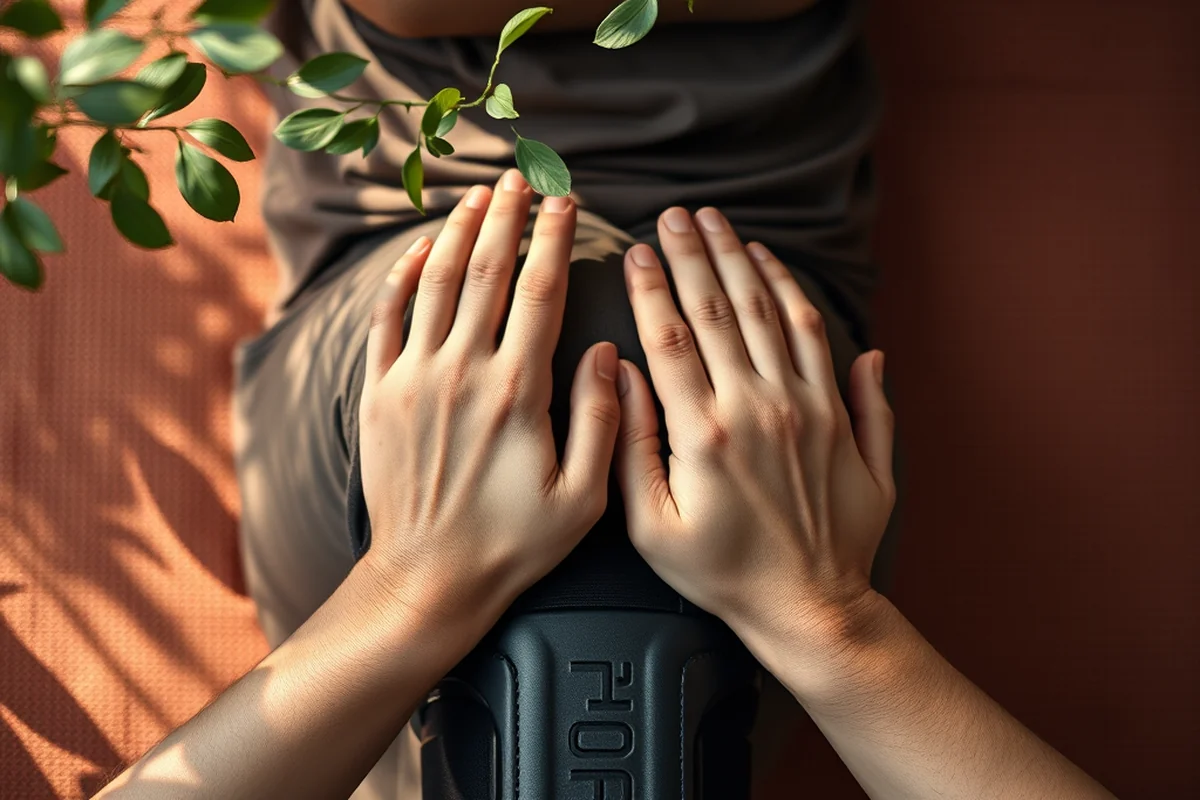
One of the most significant benefits of a knee brace for a torn meniscus is the support it provides during the healing process. It helps stabilize the knee and prevents movements that could worsen the tear. This is especially important in the early stages of recovery when the meniscus is still healing and vulnerable.
In addition, the compression from the brace can help reduce swelling. This is a big relief for people who are dealing with the discomfort and swelling that often accompany a torn meniscus. I noticed that my knee felt less swollen and less painful within a few days of using the brace consistently.
Another benefit is the psychological comfort it provides. Knowing that your knee is supported can help you feel more confident in your movements. I found that this mental shift was just as important as the physical benefits of the brace.
A knee brace can be the difference between limping and moving with confidence.
Related: What is ice machine for knee replacement
Types of Knee Braces for a Torn Meniscus
There are several types of knee braces for a torn meniscus, each with its own level of support and function. The most common are neoprene sleeves, compression sleeves, and hinged braces. Neoprene sleeves are great for light support and compression, while hinged braces offer more stability and are recommended for more severe tears.[1]
Hinged braces have two metal hinges on either side of the knee, which help prevent excessive bending or twisting. These are often used in conjunction with physical therapy to help regain strength and mobility. I found that the hinged brace I used was the best fit for my needs, as it provided the right balance of support and comfort.
Compression sleeves are another option for those who need some support but don’t want the bulk of a hinged brace. These are ideal for people who are still active and want to maintain some level of mobility without feeling restricted.
Your doctor can recommend the best type of knee brace based on your specific injury and activity level.
“I remember the day my knee buckled during a simple walk in the park, leaving me in a heap of pain and confusion.”— Knee Friendly Cardio Routines editors
Related: What are the best exercises to strengthen the knees
How to Choose the Right Knee Brace for Your Situation

Choosing the right knee brace for a torn meniscus can feel overwhelming, especially if you're not sure where to start. The key is to consider your injury severity, activity level, and how much support you need. If you're in the early stages of recovery, a hinged brace is often recommended to provide the most support.[2]
On the other hand, if you're someone who is more active and needs to maintain mobility, a compression sleeve or neoprene sleeve might be a better fit. These are lighter and allow for more movement, which can be important for people who are still trying to stay active during recovery.
I recommend consulting with your doctor or a physical therapist to determine which type of brace is best for your specific situation. They can provide guidance on the features and fit that will work best for you.[3]
Related: Best exercises for plantar fasciitis
Using a Knee Brace for a Torn Meniscus: A Step-by-Step Guide
Using a knee brace for a torn meniscus is a straightforward process, but it's important to follow the right steps to ensure it works properly. The first step is to choose the right brace based on your injury severity and activity level. Once you have the right brace, the next step is to put it on correctly.
Make sure the brace is positioned properly on your knee. It should sit snugly but not be too tight. The straps should be adjusted so that the brace stays in place without causing discomfort. It's also important to check that the brace is not restricting your movement in a way that could cause more harm.
I found that taking the time to adjust the straps properly made a big difference in how comfortable the brace was. It also ensured that it provided the right amount of support without being too restrictive.
Related: How to knee pain relief
Tips for Maximizing the Benefits of a Knee Brace
One of the most important tips for maximizing the benefits of a knee brace for a torn meniscus is to use it consistently. Wearing the brace throughout the day, especially during activities that put stress on the knee, can help provide the necessary support and reduce pain.
It's also important to move your knee gently when wearing the brace. Avoid sudden or jerky movements that could cause more damage. Gentle movement is key to maintaining mobility without risking further injury.
I made the mistake of not wearing my brace consistently at first, and I ended up experiencing more pain and stiffness. Once I started wearing it regularly, I noticed a significant improvement in my symptoms and overall comfort.
Consistency is key when it comes to using a knee brace for a torn meniscus.
Related: Glute bridge exercise
When to Seek Professional Help
While a knee brace for a torn meniscus can be an effective tool during recovery, it's not a substitute for professional medical care. If your pain or swelling doesn't improve after a few weeks, or if you experience increased discomfort, it's time to see a doctor.
Your doctor can evaluate your injury and determine whether a more aggressive treatment approach is needed. In some cases, a torn meniscus may require surgery, especially if it's a severe tear or if it's not responding to conservative treatments.
I had to see my doctor after a few weeks of using the brace because my pain wasn't improving. It turned out that I needed a combination of physical therapy and bracing to get back on track. It was a small setback, but it showed me the importance of following up with a professional.
🧦 Beginner: Light Support
Ideal for those in the early stages of recovery, offering gentle compression and support without restricting movement.
💰 Budget: Neoprene Sleeves
Affordable and effective, these sleeves are perfect for those who need basic support and are on a tight budget.
⏱️ Fastest: Hinged Braces
Provides immediate support and stability, ideal for those who need to get back on their feet quickly.
🛠️ Advanced: Custom-Fit Braces
Tailored to your specific needs, these braces offer the highest level of support and comfort for more severe tears.
🧼 Maintenance: Compression Sleeves
Great for long-term use, these sleeves help maintain knee stability and reduce swelling over time.
| The mistake | Why it happens | The fix |
|---|---|---|
| Not wearing the brace consistently | This can lead to increased pain, swelling, and a longer recovery time. | Make sure to wear the brace throughout the day, especially during activities that put stress on the knee. |
| Choosing the wrong type of brace | A brace that doesn't fit your injury or activity level may not provide the necessary support and could even cause harm. | Consult your doctor or physical therapist to determine the best type of brace for your specific situation. |
| Adjusting the brace incorrectly | A brace that is too tight or too loose can cause discomfort, restrict movement, or fail to provide adequate support. | Follow the instructions for adjusting the straps and ensure the brace is snug but not overly tight. |
| Ignoring worsening symptoms | If your pain or swelling increases despite using the brace, it may indicate a more serious issue that requires medical attention. | Contact your doctor immediately if your symptoms worsen or if you experience new pain or instability. |
Knee Brace For A Torn Meniscus
Common Questions
How long should I wear a knee brace for a torn meniscus?
Can a knee brace for a torn meniscus be worn while sleeping?
How do I know if I need a hinged brace or a simple sleeve?
Is it safe to exercise while wearing a knee brace for a torn meniscus?
References
- Knee Orthoses - Policy Article (A52465) - CMS (cms.gov)
- The effect of prophylactic braces on reducing risk factors related to ... (commons.nmu.edu)
- Conservative Treatment for Meniscus Rehabilitation (digitalcommons.usm.maine.edu)
- Knee Disorders - California Department of Industrial Relations (dir.ca.gov)
Cite this guide
Knee Friendly Cardio Routines (2026). Knee Brace For A Torn Meniscus. https://mildwalk.com/knee-brace-for-a-torn-meniscus/
Feel free to cite or share this guide.
Knee-Friendly Cardio Week
A 7-day low-impact cardio schedule with intervals.
Open it free →