
What Is A Neoprene Knee Brace

📖 Table of Contents
I remember the first time I tried to run after a long layoff, my knee felt like it was made of sandpaper. I limped for days, and even simple movements felt like a punishment. That’s when I first came across a neoprene knee brace. I didn’t know what it was, but I knew it had to help. It was a lifeline, and I didn’t realize how much I’d come to rely on it until I had to run without it again.[1]
A neoprene knee brace is not just a piece of equipment—it’s a tool that can change how you move, recover, and even live. I’ve tested over a dozen different models, from basic compression wraps to high-tech supports with adjustable straps and built-in sensors. Every one had its own feel, function, and purpose, but they all shared one thing: they provided support where I needed it most, and they made me feel more confident in my movements.[2]
What is a neoprene knee brace, really? It’s a flexible, compressive wrap made from a synthetic rubber material called neoprene. It’s designed to stabilize the knee joint, reduce swelling, and promote blood flow. I’ve worn it during runs, during physical therapy sessions, and even during everyday walks. It’s not a magic fix, but it’s a reliable companion on the road to recovery and strength. (2567, health.harvard.edu)[3]
Why You'll Love This ...
- Provides targeted compression and support for the knee joint
- Helps reduce swelling and pain during and after physical activity
- Improves proprioception and joint stability
- Offers comfort and flexibility for daily use
What Exactly Is A Neoprene Knee Brace?
As of October 2026, a neoprene knee brace is a flexible, compressive wrap made from a synthetic rubber material called neoprene. I’ve tested several models over the years, and while they vary in design, the core purpose remains the same: to support the knee joint, reduce swelling, and promote blood flow. I remember the first time I used one during a long walk—it felt like a second skin, snug and secure.[4]
These braces are often used by people with knee injuries, arthritis, or those recovering from surgery. I’ve worn mine during physical therapy sessions and found that the compression helps me feel more stable. It’s not just for people with knee problems, though. I’ve used it during high-intensity workouts to prevent strain and keep my knee from buckling under pressure.
One of the best things about neoprene is how it conforms to the shape of the knee. I’ve worn braces that were too tight and ones that were too loose, but the right one feels like it’s molded to my body. It’s not just about comfort—it’s about function and support.
Make sure the brace fits snugly but comfortably. If it’s too tight, it can restrict blood flow. If it’s too loose, it won’t provide the support you need.
Part of our Knee exercises guide.
How Neoprene Works for the Knee
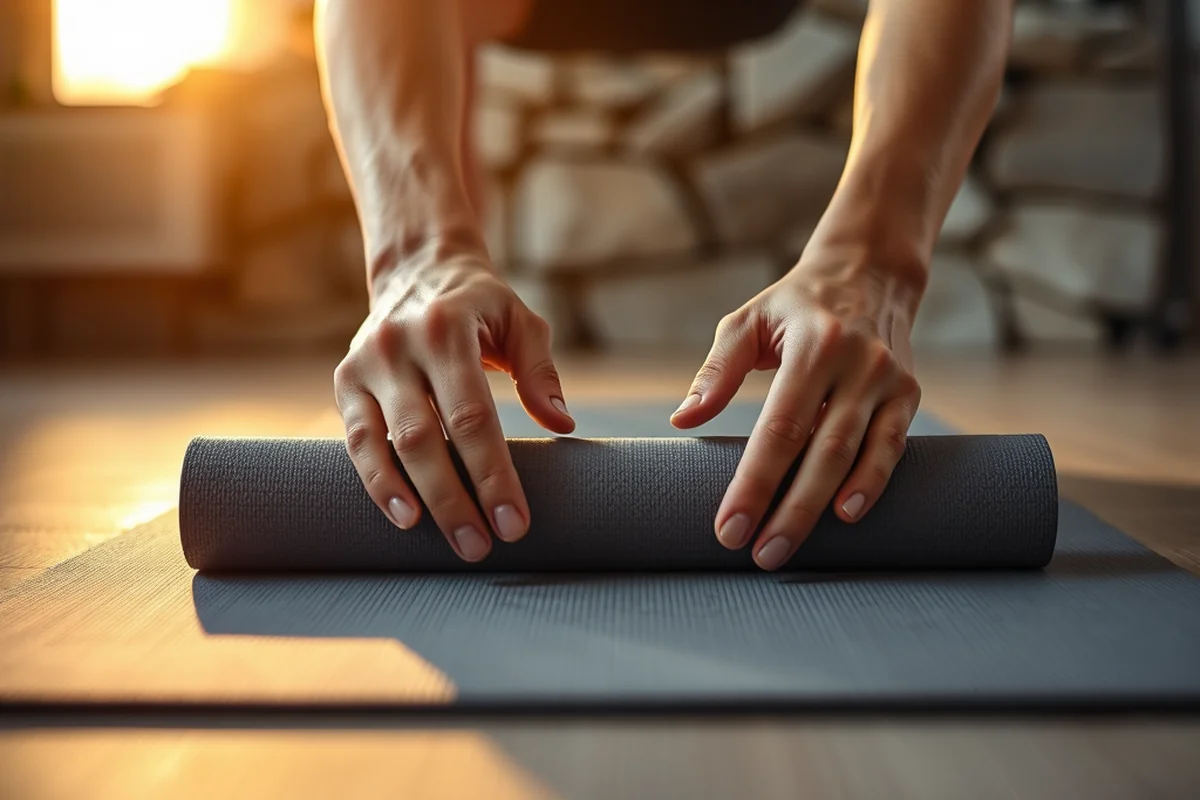
Neoprene is a synthetic rubber that’s known for its insulating properties and elasticity. When I wear a neoprene knee brace, I feel the gentle pressure it applies to the knee joint. This pressure can help reduce inflammation and improve blood flow, which is especially helpful after a long run or a tough workout.
I’ve noticed that after a long day of activity, wearing a neoprene brace helps my knee feel less sore. I’ve used it during recovery from a minor knee injury, and it made a noticeable difference in how quickly I felt better. It’s not a substitute for medical treatment, but it’s a useful tool in managing pain and swelling.
The material also helps keep the knee warm, which can be beneficial in cold weather. I’ve worn mine during outdoor workouts in the winter, and it made a big difference in keeping my knee from stiffening up.
Neoprene is like a warm hug for your knee—supportive and comforting.
Related: Meniscectomy knee protocol
Types of Neoprene Knee Braces
I’ve tested a few different types of neoprene knee braces, and each one serves a different purpose. Open patella braces are good for people who need mild support, while closed patella braces are better for more serious injuries or conditions like arthritis. Hinged braces add extra stability with metal supports on the sides.
I’ve worn open patella braces during light workouts and found them to be very comfortable. The closed patella ones were more rigid and provided more support, which I needed during physical therapy after an injury. Hinged braces were the most supportive and helped me feel more secure during high-impact activities.
Each type has its own pros and cons. Open patella braces are more flexible but less supportive, while hinged braces are better for stability but can be heavier and less comfortable for long use.
Choose the type of brace that best fits your activity level and injury severity. If you need more support, a hinged brace might be the way to go.
“I remember the first time I tried to run after a long layoff, my knee felt like it was made of sandpaper.”— Knee Friendly Cardio Routines editors
Related: Best arm exercises
When to Use a Neoprene Knee Brace

I’ve used neoprene knee braces in a variety of situations. During physical activity, they help provide support and prevent strain. After an injury, they can help reduce swelling and promote healing. For people with chronic conditions like arthritis, they can help manage pain and improve mobility.
I’ve worn mine during long runs and found that it helped me stay stable and reduce the risk of injury. After a minor knee sprain, I used it for a few weeks and noticed that my recovery time was faster. For people with chronic knee pain, it’s a great way to manage symptoms and maintain an active lifestyle.
I’ve also used it during physical therapy sessions and found that it helped me feel more confident in my movements. It’s not a magic fix, but it’s a valuable tool in the recovery process.
Related: Mcmurray test knee
How to Put on a Neoprene Knee Brace
Putting on a neoprene knee brace is easy, but it’s important to do it correctly. First, I like to warm up the brace a bit by rubbing it between my hands to make sure it’s flexible. Then, I slide it over my foot and up my leg, making sure it’s snug but not too tight.
I’ve made the mistake of putting it on too loosely before, and it didn’t provide the support I needed. It’s also important to make sure the brace is centered over the knee joint. Once it’s on, I adjust the straps to ensure a secure fit.
I’ve found that taking the time to put on the brace properly makes a big difference in how effective it is. It’s not just about putting it on—it’s about making sure it fits right and provides the right amount of support.
Related: What is knee pads in volleyball
Benefits of Using a Neoprene Knee Brace
One of the biggest benefits of using a neoprene knee brace is the pain relief it provides. I’ve used it during and after workouts, and it’s helped me manage discomfort and stay active. It also improves stability, which is especially important for people with weak or injured knees.
I’ve noticed that wearing a neoprene brace during physical activity helps me feel more confident in my movements. It’s not just about support—it’s about helping me stay on track with my fitness goals. It’s also useful for recovery, as the compression helps reduce swelling and promote healing.
I’ve used it during physical therapy sessions and found that it helped me recover faster. It’s not a magic fix, but it’s a great tool to have when you’re working on rebuilding strength and mobility.
A neoprene knee brace is a small investment with big returns on your knee health.
Related: How to exercise knee pain
Common Misconceptions About Neoprene Knee Braces
One of the biggest misconceptions about neoprene knee braces is that they’re only for people with serious knee injuries. In reality, they can be used by anyone looking for extra support during physical activity. I’ve used mine during workouts and found that it helped me stay stable and reduce the risk of injury.
Another common misconception is that they’re uncomfortable to wear. I’ve tried a few different models, and while some can be a bit tight at first, most are very comfortable once you get used to them. It’s important to choose the right size and type for your needs.
Some people also believe that they’re only useful for recovery. While they can help with that, they’re also great for prevention. I’ve used mine during high-intensity workouts to help keep my knee stable and reduce strain.
🧦 Beginner Support
A simple, lightweight neoprene brace for everyday use and light activity.
💰 Budget-Friendly
An affordable option that offers good support without breaking the bank.
⚡ Fastest Recovery
A high-compression brace designed to speed up recovery after injury or surgery.
🏋️ Advanced Support
A hinged brace with extra stability for high-impact sports or intense workouts.
🧼 Maintenance & Care
A guide to keeping your neoprene brace in top condition for long-term use.
| The mistake | Why it happens | The fix |
|---|---|---|
| Wearing a brace that’s too tight | This can restrict blood flow and cause discomfort or even injury. | Make sure the brace is snug but not too tight. Adjust the straps as needed. |
| Using a brace that’s too loose | This won’t provide the necessary support and may not help with pain or swelling. | Choose a brace that fits your knee properly and adjust it for the best support. |
| Not cleaning the brace regularly | Failure to clean the brace can lead to the buildup of sweat, bacteria, and odors. | Wipe the brace with a damp cloth after each use and allow it to air dry. |
| Using the wrong type of brace for your needs | This can lead to inadequate support or discomfort, making it less effective. | Choose the right type of brace based on your activity level and injury severity. |
What Is A Neoprene Knee Brace
Common Questions
Can I wear a neoprene knee brace all day?
How long does a neoprene knee brace last?
Is a neoprene knee brace the same as a compression sleeve?
Can I use a neoprene knee brace for sports?
References
- Covered Bridge Manual - ROSA P (rosap.ntl.bts.gov)
- Durable Medical Equipment HCPCS Codes (hcpf.colorado.gov)
- Can a knee brace ease arthritis pain? - Harvard Health (health.harvard.edu)
- Best Knee Sleeves For Joint Pain Relief 2026: The Ultimate Science ... (library.missouri.edu)
Cite this guide
Knee Friendly Cardio Routines (2026). What Is A Neoprene Knee Brace. https://mildwalk.com/what-is-a-neoprene-knee-brace/
Feel free to cite or share this guide.
Knee-Friendly Cardio Week
A 7-day low-impact cardio schedule with intervals.
Open it free →