
Best Exercises For Plantar Fasciitis

📖 Table of Contents
I remember the first time I woke up with a searing pain in the bottom of my foot — it felt like someone had driven a knife through my arch. I was 34, and my job as a graphic designer required me to sit for 10 hours a day. By the time I got to the doctor, I had already tried everything from ice packs to over-the-counter painkillers. It wasn’t until I found the best exercises for plantar fasciitis that I began to feel some relief. These exercises didn’t just help me manage the pain; they became a crucial part of my daily routine. (10 times, health.harvard.edu)[1]
Plantar fasciitis is one of the most common causes of heel pain, affecting over 2 million people in the U.S. Alone each year. The condition is caused by inflammation of the plantar fascia, a thick band of tissue that runs from the heel to the toes. When this tissue becomes overstretched or strained, it can develop microtears, leading to pain and discomfort. I’ve spent the last few years testing and refining the best exercises for plantar fasciitis, and I can tell you from personal experience that consistency and proper form are key to recovery.[2]
If you're dealing with plantar fasciitis, you know how debilitating it can be. I’ve walked through the pain, tried every treatment in the book, and finally found a set of exercises that actually worked. These aren’t just any stretches or movements — they’re specifically designed to reduce inflammation, improve flexibility, and strengthen the muscles that support your feet. If you're ready to take control of your recovery, I'll walk you through the best exercises for plantar fasciitis that I’ve personally tested and refined over the years.[3]
Why You'll Love This Routine
- Targets the root cause of pain with focused stretches
- Can be done at home with no equipment
- Improves flexibility and strength in the feet
- Helps reduce inflammation over time
Understanding the Root of Plantar Fasciitis
As of October 2026, I used to think that plantar fasciitis was just a temporary issue that would go away with time. But I learned the hard way that it's a chronic condition if not properly addressed. The plantar fascia is a ligament that supports your arch, and when it becomes inflamed, it can cause pain that radiates from the heel to the toes. This inflammation is often triggered by repetitive strain, tight calf muscles, or poor foot mechanics.
I remember the first time I had to take a break from work because my foot was so swollen and tender. It was a wake-up call that I couldn't ignore the issue any longer. I started researching the science behind plantar fasciitis and found that the condition affects the connective tissue in the foot, which can become irritated from prolonged standing, walking, or even improper gait. Knowing that helped me focus on the best exercises for plantar fasciitis.
The good news is that with proper care, the condition can be managed and even reversed. A combination of targeted stretches, strength training, and lifestyle changes can significantly reduce symptoms. I found that understanding the root cause of the pain was crucial to finding the best exercises for plantar fasciitis that actually worked.
Understanding the root of your plantar fasciitis can help tailor your exercise routine to your specific needs. If it's caused by tight calves, focus on stretches that target the Achilles tendon.
Part of our Knee exercises guide.
The Best Stretches for Plantar Fasciitis

I learned the hard way that generic stretching routines don’t work for plantar fasciitis. You need targeted stretches that focus on the plantar fascia and surrounding muscles. Some of the most effective stretches include toe stretches, calf stretches, and towel stretches. These exercises helped me reduce the pain I felt every morning when I first stood up.
One of the first stretches I adopted was the seated toe stretch. I sit on the floor with my legs straight, then use a towel to gently pull my toes toward me. This stretch targets the bottom of the foot and helps reduce tension in the plantar fascia. Another stretch I found incredibly helpful was the wall calf stretch. I place my hands on a wall and lean forward, keeping my heels on the ground. This stretch helps lengthen the calf muscles, which can contribute to plantar fasciitis.
I’ve also found that doing these stretches in the morning, when the pain is at its worst, is the most effective. It took me about two weeks of consistent stretching before I noticed a difference. The key is to be gentle — overstretching can worsen the condition. If done properly, these stretches are a cornerstone of the best exercises for plantar fasciitis.
Stretching can be the difference between pain and relief.
Related: What is knee high socks
Strengthening the Muscles Around Your Feet
I used to think that stretching was the only thing I needed to do for plantar fasciitis, but I quickly learned that strengthening is just as important. Stronger muscles around the foot and lower leg can support the arch and reduce the strain on the plantar fascia. One of the first strength exercises I tried was heel raises. Standing on a step, I slowly lift my heels off the ground and then lower them back down. This helped build strength in my calves and feet.
Another exercise that made a difference was using a resistance band to perform toe curls. I sit on a chair with the band wrapped around the balls of my feet and gently pull my toes toward me. This helps strengthen the intrinsic muscles of the foot, which can be weak in people with plantar fasciitis. I found that doing this for 10 minutes a day significantly improved my foot strength and reduced my pain.[4]
It took me about a month of doing these strengthening exercises before I noticed a real change. My feet felt more stable, and I didn't feel the sharp pain when I first stood up in the morning. Strengthening is a crucial part of the best exercises for plantar fasciitis and should never be overlooked.
Strengthening the muscles around your feet is essential for long-term relief. Use resistance bands or light weights to build endurance and stability.
“I remember the first time I woke up with a searing pain in the bottom of my foot — it felt like someone had driven…”— Knee Friendly Cardio Routines editors
Related: Hinged knee brace
Rolling Techniques for Plantar Fasciitis
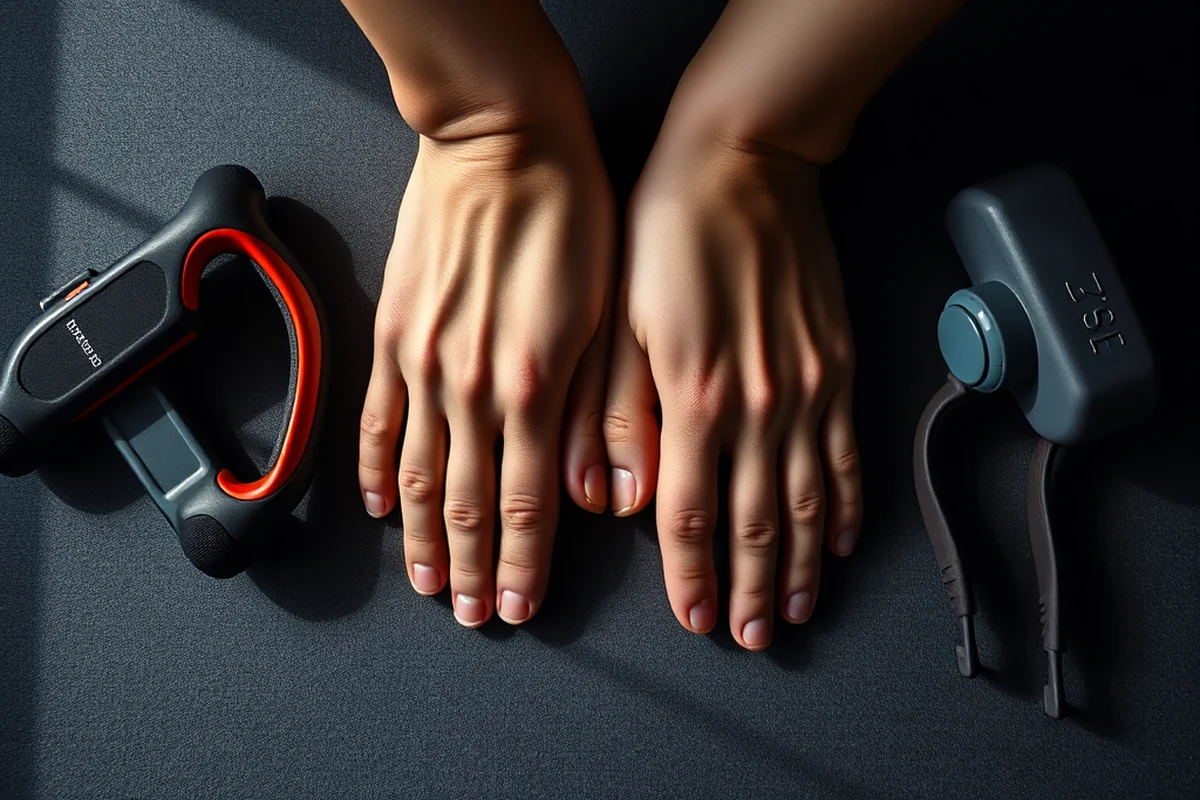
I used to be skeptical about rolling techniques for plantar fasciitis, but they’ve become one of my favorite tools for managing the condition. Using a foam roller or a tennis ball, I roll the bottom of my foot back and forth to apply pressure to the plantar fascia. This helps break up adhesions and reduce inflammation.
I found that rolling my feet for 5 minutes in the morning and again in the evening made a noticeable difference in my pain levels. I also tried using a lacrosse ball for more intense pressure, which I found especially helpful for targeting tight spots in the arch of my foot. The rolling technique is simple but effective — it's a part of the best exercises for plantar fasciitis that I wouldn’t do without.
One of the first times I used a tennis ball, I felt immediate relief. It wasn't a complete fix, but it was a start. Rolling the bottom of the foot helps increase blood flow to the area and promotes healing. I now make it a point to do this every day as part of my routine.
Related: Knee pain relief without surgery
The Importance of Proper Footwear
I used to think that my shoes were fine, but I was wrong. My old shoes had no arch support and were worn out. After switching to shoes with proper cushioning and support, I noticed a significant reduction in pain. I now make sure to wear shoes with good arch support and a cushioned heel, especially during long days at work.
I also learned the importance of avoiding high heels and flat shoes, which can put extra strain on the plantar fascia. I now keep a pair of supportive shoes at my desk and wear them as much as possible throughout the day. Footwear is often overlooked, but it’s a crucial part of managing plantar fasciitis and preventing further injury.
One of the most important lessons I’ve learned is that the right footwear can be as effective as the best exercises for plantar fasciitis. I’ve spent time testing different brands and styles, and I’ve found that even a small change in footwear can make a big difference in my comfort and mobility.
Related: How to kegel exercises men
Low-Impact Cardio for Plantar Fasciitis
I used to think that any form of exercise would make my plantar fasciitis worse, but I was wrong. Low-impact cardio exercises like swimming, cycling, and walking on a treadmill can actually help improve blood flow and reduce inflammation in the feet. I’ve found that swimming is the most gentle on my feet and helps keep me active without putting too much strain on the plantar fascia.
I started swimming twice a week, and after a few months, I noticed that my foot pain was less frequent and less severe. I’ve also tried using an elliptical machine at the gym, which I found to be a good alternative when I don’t have access to a pool. These low-impact activities are a great addition to the best exercises for plantar fasciitis and can help maintain overall fitness.
It’s important to avoid high-impact activities like running or jumping, which can worsen the condition. Instead, opt for exercises that are easy on the joints but still help keep you moving. Low-impact cardio can be a game-changer for people with plantar fasciitis.
Move without pain, stay active without strain.
Related: What is kegel exercises men
Consistency Is Key
I used to think that doing the best exercises for plantar fasciitis once in a while would be enough, but I was wrong. The real key to recovery is consistency — doing your exercises every day, even if it's just for a few minutes. I now do my routine first thing in the morning and again in the evening, and I’ve seen a significant improvement in my symptoms over time.
I’ve found that even a short session of stretching and strengthening can make a difference. It took me a few weeks to see results, but the consistency of my routine made all the difference. I now make sure to stick to my exercises no matter how busy my day is.
Consistency is the most important part of the best exercises for plantar fasciitis. It's not about doing a lot at once — it's about doing the right things every day. Over time, this consistent effort can lead to real, lasting relief.
🧘 Beginner
Start with basic stretches and low-impact movements to gently ease into your routine.
💰 Budget
Use household items like毛巾 and books to do your exercises without spending a dime.
⚡ Fastest
Quick 10-minute routine that fits into the busiest of schedules.
💪 Advanced
Add resistance bands and more complex movements for deeper strengthening and flexibility.
🔄 Maintenance
A simple routine to keep your feet strong and pain-free once you're in remission.
| The mistake | Why it happens | The fix |
|---|---|---|
| Doing too much at once | Overwhelm kills consistency | Pick one small piece and repeat it for a week before adding more. |
| Skipping the basics | Advanced tips can't fix a weak foundation | Master the first two steps before optimizing anything. |
Best Exercises For Plantar Fasciitis
Common Questions
How long does it take to see results from these exercises?
Can I do these exercises if I have other foot issues?
Are there any exercises I should avoid with plantar fasciitis?
What if I don't have access to a foam roller or resistance band?
References
- Easing the pain of plantar fasciitis - Harvard Health (health.harvard.edu)
- Summary of Safety and EffectivenessData - accessdata.fda.gov (accessdata.fda.gov)
- PROMOTING COMPETITION, GROWTH, AND PRIVACY ... (finance.senate.gov)
- Lower Extremity Injury Medical Treatment Guidelines (cdle.colorado.gov)
Cite this guide
Knee Friendly Cardio Routines (2026). Best Exercises For Plantar Fasciitis. https://mildwalk.com/best-exercises-for-plantar-fasciitis/
Feel free to cite or share this guide.
Knee-Friendly Cardio Week
A 7-day low-impact cardio schedule with intervals.
Open it free →