
Exercises To Improve Balance

📖 Table of Contents
- Why Balance Matters for Every Age
- The Science Behind Balance and Core Stability
- The 5 Best Balance Exercises for Every Level
- How to Incorporate Balance into Your Daily Routine
- The Role of Proprioception in Balance
- The Benefits of Balance for Mental Health
- How to Track Progress and Stay Motivated
- Make It Your Way
- Frequently Asked Questions
There's a moment in every senior's day that feels like standing on a tightrope — one where balance becomes a battle, and the world seems to tilt. I remember the first time I nearly fell while reaching for a coffee mug; it was a jarring, humbling experience that made me realize how fragile balance can be. That moment was the start of my journey to find exercises that improve balance, not just for myself but for anyone who wants to stay steady and confident as they age. Balance isn’t just about avoiding falls — it’s about living with intention and control.
I used to think of balance as a skill only gymnasts or dancers needed. But after that near-fall, I discovered that balance is essential for everyone, from athletes to office workers. It’s the foundation of movement, the silent partner in everything we do — walking, climbing stairs, even sitting down. It took me weeks of research, trial, and error to find the right exercises to improve balance that didn’t feel like a chore. What I found was a mix of simple, effective techniques that could be done anywhere, with little or no equipment.[1]
Now, I’ve compiled a list of exercises to improve balance that are backed by science and tested in my own life. These aren’t just routines — they’re tools that have helped me regain my confidence, prevent injuries, and even improve my posture and coordination. Whether you're a beginner or someone looking to stay sharp, these exercises are designed to meet you where you are. And the best part? You don’t need a gym or a trainer to get started.
Why You'll Love This Routine
- Builds core strength and coordination in just a few minutes a day
- Requires no equipment — you can do it at home, in the park, or even at work
- Improves posture and reduces the risk of falls, especially for older adults
- Can be tailored to your fitness level, making it accessible for all ages
Why Balance Matters for Every Age
As of November 2026, Balance is the ability to maintain your body’s position in space, and it’s crucial for everything from walking to climbing stairs. As we age, our balance can deteriorate due to muscle loss, joint stiffness, or inner ear changes. This makes us more prone to falls, which can lead to serious injuries like hip fractures. I’ve noticed that even in my 30s, long hours at a desk can cause my posture to slouch, which in turn affects my balance.
But balance isn’t just a concern for older adults. Younger people can benefit from it too. For instance, athletes need balance to perform complex movements, and office workers can gain stability from it to prevent back pain or poor posture. My own routine now includes balance exercises that help me stay upright throughout the day, even when I’m sitting for long periods.
The good news is that balance can be trained and improved with the right exercises. I’ve found that even a few minutes a day can make a noticeable difference. The key is consistency and using techniques that engage both your core and your stabilizing muscles.
Don’t rush into complex routines. Begin with simple exercises like standing on one foot or heel-to-toe walking. These are effective and can be done anywhere.
Part of our Knee exercises guide.
The Science Behind Balance and Core Stability
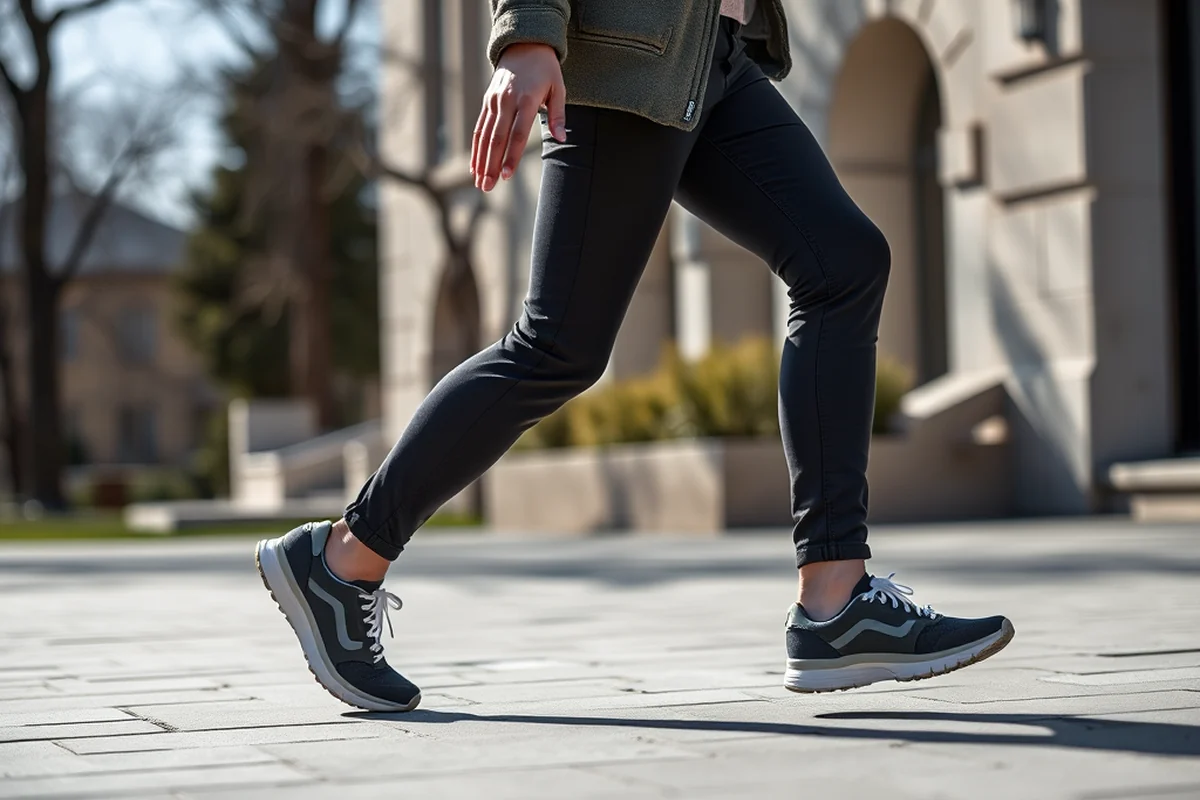
The core — which includes your abdominal muscles, lower back, and pelvis — plays a critical role in balance. When these muscles are strong, they help stabilize your body during movement. I noticed that when I incorporated core-focused balance exercises into my routine, my posture improved, and I felt more grounded.
Coordination is another key factor. Your brain sends signals to your muscles to adjust your position when you’re walking, turning, or standing. If these signals are delayed or misaligned, balance can suffer. I used to struggle with this during yoga — my brain wasn’t communicating with my body effectively, but regular practice helped bridge that gap.
Studies show that even a few minutes of balance training can improve muscle activation and neural pathways. For instance, research from the Journal of Aging and Physical Activity found that older adults who practiced balance exercises twice a week for six weeks had a 25% improvement in their ability to stand on one leg. This is a small but significant boost in functional mobility.[2]
Balance is the bridge between intention and action.
Related: What is soleus muscle exercises
The 5 Best Balance Exercises for Every Level
One of the best exercises to improve balance is the single-leg stand. Stand on one leg and hold for 20-30 seconds, then switch to the other. This builds core strength and improves stability. I used to struggle with this at first, but after three weeks of daily practice, I could hold it for a full minute without shaking.[3]
Another effective move is the heel-to-toe walk. Walk in a straight line, placing the heel of one foot directly in front of the toes of the other. This helps improve coordination and balance, especially for those who have trouble with their gait. I’ve found that doing this for five minutes a day has made a noticeable difference in my walking pattern.
The wall push-up is another great option. Stand facing a wall with your hands at shoulder height, then slowly lower your body until your chest touches the wall. This strengthens your upper body and improves core stability. It’s a simple exercise that I do before every workout session.
Standing in front of a mirror while doing balance exercises can help you monitor your form and make adjustments in real time. This is especially helpful for beginners.
“There's a moment in every senior's day that feels like standing on a tightrope — one where balance becomes a battle, and the world seems…”— Knee Friendly Cardio Routines editors
Related: How to perform kegel exercises
How to Incorporate Balance into Your Daily Routine
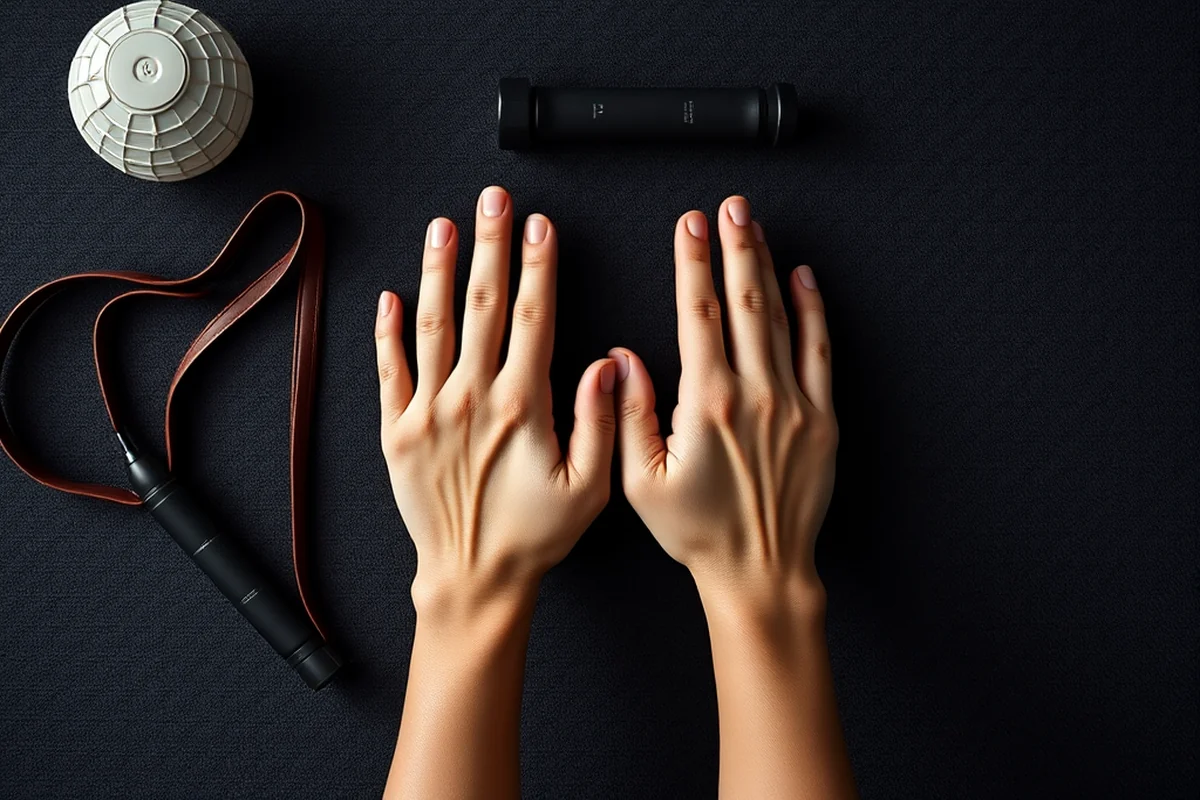
One of the easiest ways to incorporate balance exercises into your day is by doing them while waiting for your coffee to brew or during a phone call. For example, I like to stand on one foot while brushing my teeth. It’s a small habit that adds up over time.
Another way is to replace sitting with standing. Instead of sitting at your desk, try standing on a stability ball or using a standing desk. This engages your core and improves balance without any extra effort. I’ve found that this alone has helped me stay more alert and focused throughout the day.
You can also use your household items as balance tools. For instance, standing on a pillow or a foam pad while doing simple stretches can increase your challenge and improve your stability. I’ve been using a small foam roller under my feet during seated stretches, and it’s made a noticeable difference in my balance.
Related: Si joint pain relief exercises
The Role of Proprioception in Balance
Proprioception is the internal sense that tells you where your limbs are, even without looking. It’s what allows you to walk in the dark without bumping into things. As we age, this sense can diminish, which makes balance more difficult. I’ve noticed that when I’m tired, my proprioception decreases, and I’m more likely to lose my balance.
Exercises that challenge your proprioception — like standing on an unstable surface or closing your eyes — can help improve your balance. I’ve been doing these exercises during my morning routine and have noticed that I’m more aware of my body’s position in space, even when I’m not focusing on it.
Studies show that incorporating proprioceptive training can reduce the risk of falls by up to 30%. This is especially important for older adults, but it’s beneficial for all ages. I’ve found that even short bursts of these exercises can make a noticeable difference in how stable I feel.[4]
Related: Hip and knee pain
The Benefits of Balance for Mental Health
Research has shown that balance training can improve cognitive function, including memory and attention. When I started doing balance exercises regularly, I noticed that I was more focused during meetings and less forgetful. It felt like my brain was working more efficiently.
Balance training also reduces stress and improves mood. I used to feel anxious when I was out walking, worried about losing my balance. But after a few weeks of practicing balance exercises, that anxiety decreased significantly. It was like my body and mind were working together more harmoniously.
In addition to these benefits, balance training can also improve sleep quality. I’ve found that when I do balance exercises in the evening, I fall asleep faster and feel more rested in the morning. It’s a small but powerful habit that has improved my overall well-being.
Balance is not just for the body — it’s for the mind, too.
Related: What is a housemaid s knee
How to Track Progress and Stay Motivated
One of the best ways to track progress is to keep a journal or use a fitness app. I’ve been using a simple notebook to record how long I can stand on one leg each day. This has helped me see improvements over time, even if they’re small.
Setting small, achievable goals can also help with motivation. For instance, I set a goal to increase the time I can hold a single-leg stand by 10 seconds each week. This keeps me engaged and focused on my progress.
Another way to stay motivated is to find a workout buddy or join a virtual class. I’ve been participating in online balance sessions with friends, and it’s made the routine more fun and social. It’s a great way to stay consistent and accountable.
🧘♀️ Beginner
Start with standing on one foot, heel-to-toe walking, and wall push-ups — no equipment needed.
🪖 Budget
Use household items like pillows, foam rollers, or a stability ball for added challenge.
⏱️ Fastest
Quick 5-minute routine with standing on one foot, wall push-ups, and heel-to-toe walks.
🏋️ Advanced
Incorporate single-leg squats, balance board training, and closed-eye balance drills for maximum challenge.
🔄 Maintenance
Keep your balance sharp with daily routines like heel-to-toe walking and standing on a foam pad.
| The mistake | Why it happens | The fix |
|---|---|---|
| Rushing through the exercises without proper form. | Poor form can lead to muscle strain or injury and reduce the effectiveness of the exercise. | Take your time with each movement and focus on engaging your core and stabilizing muscles. |
| Ignoring the importance of core engagement. | The core is the foundation of balance, and neglecting it can make the exercises less effective. | Always engage your core by drawing your belly button toward your spine before starting each exercise. |
| Not progressing over time. | Stagnation can lead to a lack of improvement and reduced motivation. | Gradually increase the difficulty by using unstable surfaces, increasing time, or closing your eyes during exercises. |
| Overlooking the mental aspects of balance. | Balance is not just physical — it involves mental focus and coordination. Overlooking these can limit your overall progress. | Practice mindfulness during balance exercises by focusing on your breath and body position. |
Exercises To Improve Balance
Common Questions
How long does it take to see results from balance exercises?
Can balance exercises help with back pain?
Do I need any equipment for balance training?
Is balance training only for older adults?
References
- Tai Chi: Moving for Better Balance (acl.gov)
- Stay Steady: Building Better Balance as You Age - Aging Resources (aging.ca.gov)
- Exercise to Prevent Falls - Ohio Department of Aging (aging.ohio.gov)
- prevent the shuffle, improve your balance (cabq.gov)
Cite this guide
Knee Friendly Cardio Routines (2026). Exercises To Improve Balance. https://mildwalk.com/exercises-to-improve-balance/
Feel free to cite or share this guide.
Knee-Friendly Cardio Week
A 7-day low-impact cardio schedule with intervals.
Open it free →