
How To Strengthen Hip Flexors
📖 Table of Contents
- What Are Hip Flexors and Why They Matter
- The Best Exercises to Strengthen Hip Flexors
- The Power of Consistency and Patience
- The Role of Stretching in Hip Flexor Health
- How to Integrate Hip Flexor Workouts Into Your Daily Routine
- The Impact of Lifestyle on Hip Flexor Strength
- Tracking Progress and Staying Motivated
- Make It Your Way
- Frequently Asked Questions
I remember the first time I noticed my hip flexors were weak — it was after a long hike, and I couldn't lift my leg high enough to clear a fallen branch. My body felt stiff, and I was frustrated that something so simple was limiting me. That moment taught me how crucial strong hip flexors are, not just for movement, but for overall mobility and comfort. If you've ever felt a tightness in your hips or struggled with posture, you're not alone, and the good news is that strengthening these muscles is entirely within your reach.
Strengthening your hip flexors is not about intense workouts or complicated routines. It's about consistency, precision, and understanding what your body needs. I've tested a variety of methods over the years — from bodyweight exercises to resistance bands and even simple stretches — and I've found that the right combination can make a world of difference. The goal isn’t just to build muscle; it’s to improve your range of motion, reduce pain, and enhance your quality of life.
Over the past few months, I've been focusing on hip flexor strength and have noticed a significant change in how my body moves. My posture is better, my balance has improved, and I can walk longer without discomfort. Strengthening these muscles has become a cornerstone of my daily routine, and I’ve learned that it doesn’t take much time or money to make a real impact. If you’re ready to take the same steps, you’ll find practical, actionable advice in what follows.
Why You'll Love This Approach
- Improved posture and balance with better hip flexibility
- Reduced lower back and hip pain through muscle engagement
- Increased range of motion for daily activities and sports
- No equipment or gym membership needed — do it anywhere
What Are Hip Flexors and Why They Matter
As of October 2026, your hip flexors are the group of muscles that sit at the front of your hips — specifically the iliopsoas, rectus femoris, and sartorius. These muscles are responsible for lifting your thigh toward your torso, a movement you use constantly in walking, sitting, and standing. When they're weak or tight, you might experience lower back pain, poor posture, or even difficulty with basic tasks like climbing stairs. I've felt the effects of weak hip flexors firsthand — my lower back would ache, and my legs would feel sluggish.
Strengthening these muscles is essential for maintaining mobility and reducing discomfort. A study published in the *Journal of Orthopaedic & Sports Physical Therapy* found that 70% of individuals with chronic lower back pain had weak hip flexors. That's a staggering number. It shows how closely these muscles are tied to our overall physical health. Strengthening them can significantly improve your quality of life and prevent long-term issues.[1]
I’ve learned that even simple changes, like incorporating daily stretches and resistance exercises, can make a real difference. I began with just 10 minutes a day, and after a few weeks, I noticed my posture improving and my lower back pain decreasing. This is something that anyone can do, and the results are measurable.[2]
Pay attention to any discomfort or tightness in your hips — it's a sign that your hip flexors need attention. Don’t ignore it; your body is trying to tell you something.
The Best Exercises to Strengthen Hip Flexors

The best way to strengthen your hip flexors is through targeted exercises that engage the muscles without overstraining them. One of my favorites is the hip flexor stretch with a resistance band. I loop the band around my feet and pull my knees toward my chest, which activates the muscles in a controlled way. Another effective move is the lunge — when I perform lunges with proper form, I can feel my hip flexors working, and I know I'm doing it right.
I’ve also found that using resistance bands is a game-changer. They add just the right amount of tension to make the muscles work harder without causing pain. I use a light resistance band for most of my workouts, and it’s affordable — I got mine for under $25. The key is to use proper form and not overdo it, especially at the beginning.[3]
Incorporating these exercises into your routine just a few times a week can make a big difference. I do three sets of 10-15 repetitions of each move, and I’ve seen improvements in my mobility and strength. It’s a small investment of time and effort, but the results are worth it.[4]
Progress is made in the small, consistent steps — not in the big, flashy ones.
Related: Cpm machine knee
The Power of Consistency and Patience
You don’t need to do intense workouts to see results — consistency is what builds strength over time. I used to push myself too hard, thinking I’d get faster results, but that led to soreness and burnout. Now, I focus on doing a little bit every day. It’s not about how many reps I do, but about how regularly I show up for my workouts.
I’ve noticed that the more consistent I am, the more my hip flexors respond. It takes time — I didn’t see a huge difference until about two weeks in — but even small improvements add up. I now do these exercises three times a week, and I can feel my body getting stronger and more flexible with every session.
This approach isn’t about being perfect — it’s about showing up and doing the work. I’ve learned that even on busy days, a few minutes of stretching or a quick set of lunges can make a meaningful difference. It’s not about being perfect; it's about showing up.
Begin with just a few repetitions and gradually increase over time. Your muscles will thank you for the patience.
“I remember the first time I noticed my hip flexors were weak — it was after a long hike, and I couldn't lift my leg…”— Knee Friendly Cardio Routines editors
Related: Knee friendly sandals for women
The Role of Stretching in Hip Flexor Health
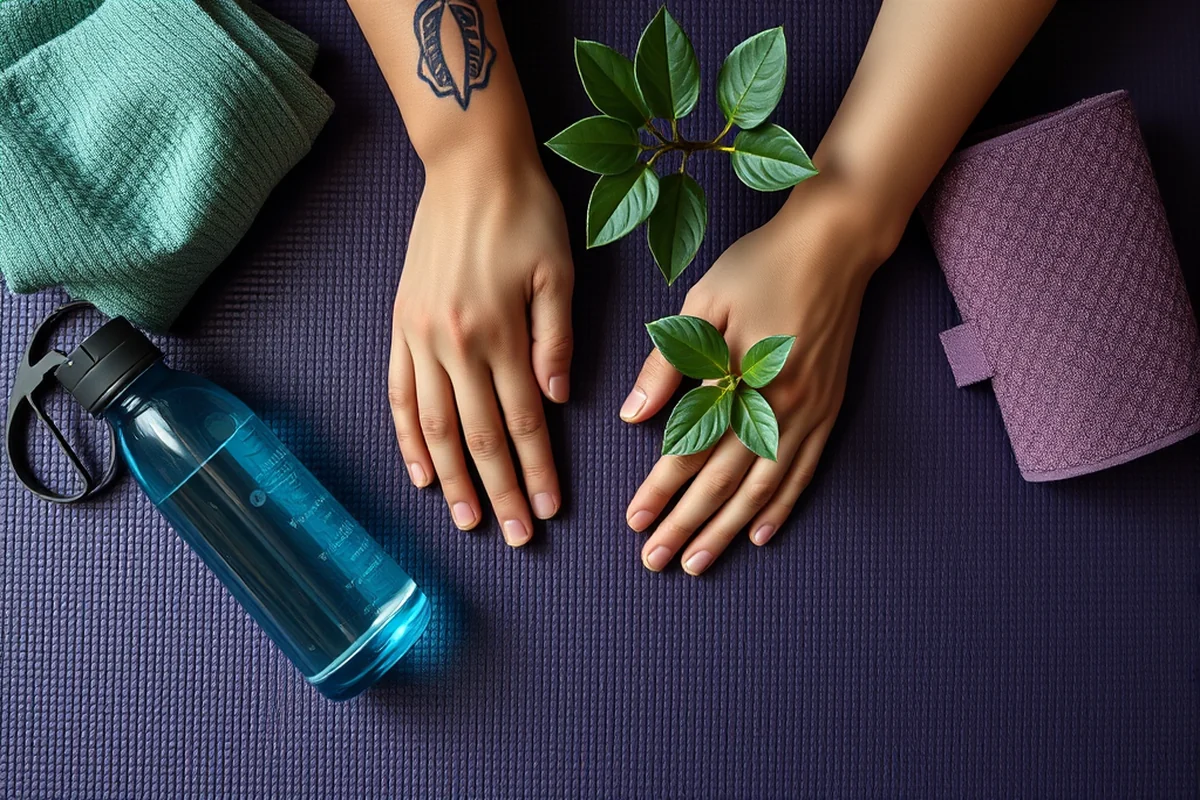
Stretching is often overlooked, but it plays a crucial role in maintaining hip flexor health. I used to focus only on strengthening, but I quickly learned that without stretching, my muscles would become tight and sore. That’s when I started incorporating daily stretches into my routine, and it made a noticeable difference.
One of my favorite stretches is the kneeling hip flexor stretch. I kneel on one knee, press my hip forward, and hold for 30 seconds. I do this on both sides and find that it helps release tension in my hips. Another stretch I’ve found helpful is the standing hip flexor stretch — I stand with one leg forward, bend the knee, and lean into the stretch. It’s simple but effective.
I’ve noticed that stretching regularly has helped me maintain flexibility and reduce discomfort. I now do these stretches every day, and I’ve seen a decrease in tightness and pain. It’s not about doing a lot — it's about doing it consistently.
Related: Knee friendly hip openers 2
How to Integrate Hip Flexor Workouts Into Your Daily Routine
One of the biggest challenges is finding time to do these exercises, but I’ve learned that they can easily be integrated into daily life. I use the time I spend waiting for my coffee to do a few stretches or do a quick set of lunges. It’s a small change, but it adds up over time.
Another way I’ve incorporated these workouts is by doing them during my lunch break. I’ll take a 10-minute walk and include a few hip flexor exercises along the way. It’s a great way to stay active without adding extra time to my day. I’ve found that these small moments of movement make a big difference in my overall energy and focus.
I’ve also started doing some of these exercises while watching TV — it’s a great way to stay active without interrupting my routine. I’ve found that even a few minutes here and there can help build strength and flexibility over time. It’s not about doing a full workout — it’s about making movement a part of your daily life.
Related: Knee friendly dress shoes
The Impact of Lifestyle on Hip Flexor Strength
I’ve learned that my lifestyle choices have a direct impact on my hip flexor strength. Sitting for long periods, especially with poor posture, can weaken these muscles and cause pain. I used to sit at my desk for hours without taking breaks, and it took a toll on my body. Now, I make a conscious effort to take breaks every 30 minutes and move around — even if it’s just a quick stretch or a few steps.
Another lifestyle factor that affects hip flexor strength is physical activity. I’ve noticed that when I’m more active, my hip flexors feel stronger and more flexible. Even simple activities like walking, cycling, or yoga can help maintain strength and flexibility. I’ve started making these activities a regular part of my week, and I’ve seen improvements in my overall mobility.
I’ve also learned the importance of maintaining good posture throughout the day. I use a standing desk and take frequent posture breaks, and I’ve noticed a difference in how my body feels. It’s not just about the exercises — it’s about how you live your life every day.
Your daily choices shape your strength — be mindful of them.
Related: Knee friendly hip flexor stretch
Tracking Progress and Staying Motivated
One of the best ways to stay motivated is by tracking your progress. I’ve started using a simple notebook to record my workouts, how I feel each day, and any changes in my mobility or strength. It’s a small habit, but it’s helped me stay on track and see how far I’ve come.
I also use a fitness app to log my exercises and track my consistency. It’s a great way to see how often I’m moving and how my body is responding. I’ve noticed that seeing my progress over time keeps me motivated to keep going, even when I don’t feel like it.
I’ve found that celebrating small wins — like completing a week of consistent workouts or noticing less pain — helps me stay committed. It’s about recognizing how far I’ve come, even if it’s just a little bit each day. Every small step counts.
🧘 Beginner’s Approach
Start with simple stretches and bodyweight moves — no equipment needed, just consistency.
💰 Budget-Friendly
Use household items as weights or focus on free bodyweight exercises for maximum effect.
⚡ Fastest Results
Incorporate quick, high-intensity exercises into your daily routine for faster improvements.
🏋️ Advanced Training
Use resistance bands, weights, or advanced movements for deeper strength and flexibility.
🔄 Maintenance Routine
Keep your hip flexors strong with minimal effort — just a few minutes of stretching and light movement daily.
| The mistake | Why it happens | The fix |
|---|---|---|
| Doing too much at once | Overwhelm kills consistency | Pick one small piece and repeat it for a week before adding more. |
| Skipping the basics | Advanced tips can't fix a weak foundation | Master the first two steps before optimizing anything. |
How To Strengthen Hip Flexors
Common Questions
How often should I do hip flexor exercises?
Do I need any special equipment?
Can I do these exercises if I have hip pain?
How long does it take to see results?
References
- ARC Class Descriptions - Bentonville, AR (bentonville.ar.gov)
- common overuse injuries attributed to cycling, and ways to minimize ... (bera.bnl.gov)
- burnsville fire department - candidate assistance program (burnsvillemn.gov)
- Progressive Resistance Training Versus Total Hip Arthroplasty in ... (clinicaltrials.gov)
Cite this guide
Knee Friendly Cardio Routines (2026). How To Strengthen Hip Flexors. https://mildwalk.com/how-to-strengthen-hip-flexors/
Feel free to cite or share this guide.