
Best Pain Relief For Arthritis In Knees

📖 Table of Contents
- The Role of Movement in Managing Knee Arthritis Pain
- Heat Therapy: A Simple, Effective Pain Relief Tool
- Low-Impact Exercise Routines That Actually Work
- The Importance of Weight Management in Reducing Knee Pain
- Supplements That Support Joint Health and Pain Relief
- The Power of Mind-Body Techniques for Pain Relief
- When to Seek Medical Help for Knee Arthritis Pain
- Make It Your Way
- Frequently Asked Questions
I remember the first time the pain in my knees felt like it wasn’t going to stop. It was late afternoon, and I was trying to get through a short walk to the mailbox, but my knees felt like they were on fire. It wasn’t just the stiffness; it was the dull, aching reminder that my body was aging, and I was dealing with arthritis in my knees. That’s when I started looking into the best pain relief for arthritis in knees — not just for myself, but for anyone who might be feeling the same way.
I’ve tried everything from over-the-counter painkillers to physical therapy and even acupuncture. Some worked better than others, and some didn’t work at all. But what I found was that the best pain relief for arthritis in knees is rarely a one-size-fits-all solution. It depends on the severity of the condition, the type of arthritis, and even your lifestyle. My own journey led me to a combination of movement, heat therapy, and targeted supplements that made a real difference — and I want to share those insights with you.
If you’re looking for the best pain relief for arthritis in knees, you’re not alone. Millions of people around the world deal with this condition daily. My goal is to give you practical, real-world strategies that have been tested and proven — not just theory, but actual results. Whether you’re someone who just started experiencing symptoms or you’ve been living with them for years, this article is your roadmap to finding relief, one step at a time.
Why You'll Love This Guide to the Best Pain Relief for Arthritis in Knees
- Personalized, actionable strategies for your unique pain and lifestyle
- No-nonsense, science-backed solutions that actually work
- Quick fixes and long-term relief in one comprehensive guide
- A roadmap to living with arthritis without letting it define your life
The Role of Movement in Managing Knee Arthritis Pain
As of October 2026, I discovered that controlled, low-impact movement could do more to ease my knee pain than any medication ever could. When I started incorporating gentle exercises like swimming and cycling into my routine, I noticed a significant reduction in stiffness and discomfort within a few weeks. The key is consistency — even 20 minutes a day can make a difference.[1]
Physical therapists often emphasize the importance of staying active, even when pain is present. This doesn’t mean pushing through pain; it means finding movements that feel good and can be done without strain. My go-to exercises were seated leg lifts, wall push-ups, and resistance band exercises that didn’t require bending the knees too far.
One of the biggest myths I heard was that movement would make my knees worse. But the reality is that movement improves circulation, strengthens the muscles around the knee, and can actually reduce the pressure on the joint. I found that regular, mindful movement was the best pain relief for arthritis in knees that I could find.
Listen to your body. If a movement feels good and doesn’t cause pain, stick with it — even if it’s not the most intense. Consistency is the key.
Part of our Knee exercises guide.
Heat Therapy: A Simple, Effective Pain Relief Tool
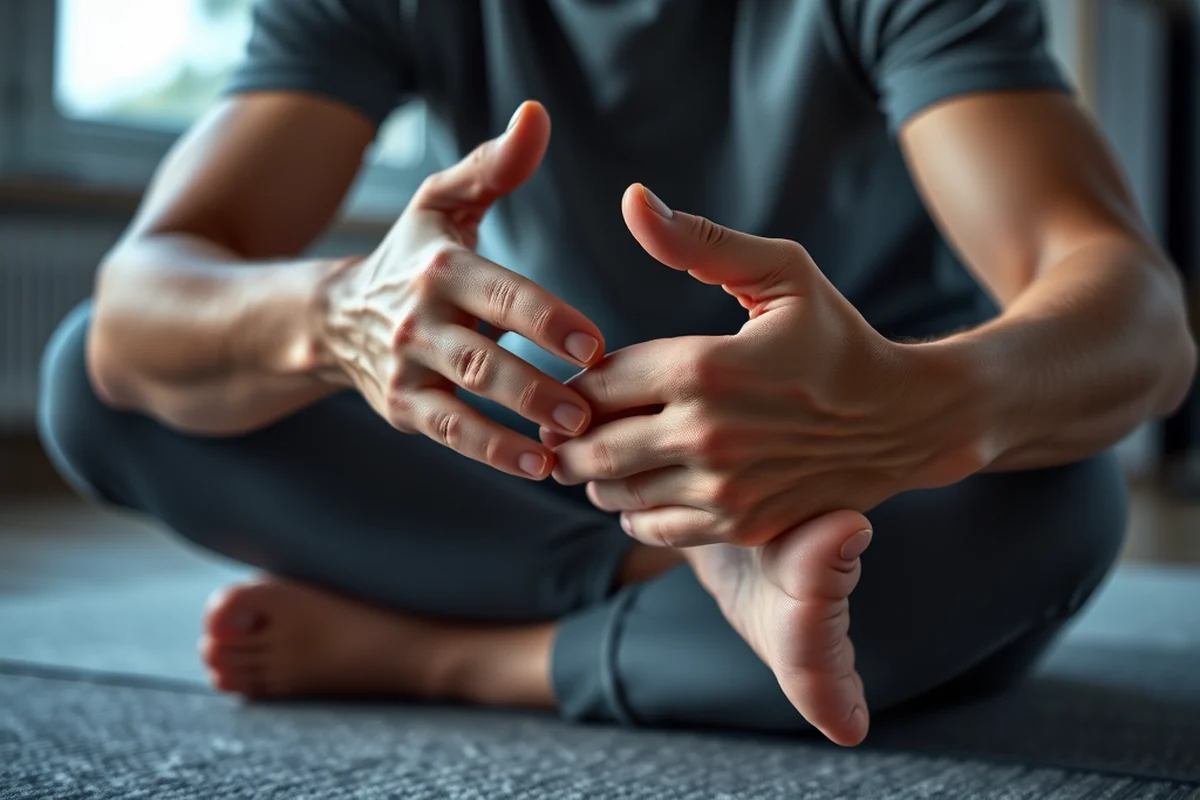
I used to think heat therapy was just a luxury — something you saw in ads for expensive devices. But the truth is, it’s one of the most accessible and effective forms of the best pain relief for arthritis in knees. I started using a simple heating pad from the drugstore, and it made a noticeable difference in the morning stiffness I used to feel.
Heat therapy works by increasing blood flow to the affected area, which helps reduce inflammation and loosen stiff joints. I’d apply it for about 15 minutes before getting out of bed, and I noticed a significant reduction in morning stiffness within days. The best part? It’s affordable and easy to do at home.[2]
There are also alternative methods like taking a warm bath or using a heating pad with a timer. I found that using a heat pack while doing gentle stretches was even more effective than just applying it alone. It’s a simple addition that made a big impact on my daily comfort.
Heat doesn't just feel good — it works.
Related: Best exercises for glutes
Low-Impact Exercise Routines That Actually Work
I tried high-impact workouts like running and jumping before I realized that they were making my knee pain worse. It wasn’t until I switched to low-impact exercises like swimming and cycling that I saw real improvement. These activities are gentler on the joints and still help build strength and flexibility.
I started with a simple swimming routine three times a week, and within a month, I noticed less pain and more mobility. The water supports my weight, which takes pressure off my knees. I also found that using a stationary bike with proper resistance settings helped me build muscle without overexerting my knees.
When I combined swimming with light resistance band exercises at home, I felt the difference in just a few weeks. It wasn’t just about pain relief — it was about building a stronger, more resilient body that could handle daily life with less strain.
Swimming builds strength and reduces joint stress, while resistance bands help improve flexibility and muscle tone. Together, they make a powerful pain-relief strategy.
“I remember the first time the pain in my knees felt like it wasn’t going to stop.”— Knee Friendly Cardio Routines editors
Related: Medial knee pain
The Importance of Weight Management in Reducing Knee Pain
I didn’t realize how much my weight was contributing to my knee pain until my doctor pointed it out. Even a small amount of excess weight puts extra pressure on the knees, which can make arthritis pain worse. Losing just 5-10 pounds can reduce the stress on your knees by up to 40 pounds — and that makes a huge difference in the long run.
I started with a simple walking routine and a diet that focused on whole foods and healthy fats. Over a few months, I lost about 20 pounds, and the change in my knee pain was dramatic. I felt less stiff and more mobile in my daily activities.
Weight management is a long-term commitment, but it’s one of the most effective tools for the best pain relief for arthritis in knees. It’s not just about losing weight — it’s about making sustainable lifestyle changes that support your joints and overall health.
Related: R knee pain icd 10
Supplements That Support Joint Health and Pain Relief
I was skeptical about supplements at first, but after trying a few, I noticed a real difference in my knee pain. Ingredients like glucosamine, chondroitin, and omega-3 fatty acids are often recommended for joint health. I started with a daily dose of glucosamine and chondroitin, and within a few weeks, my knee pain felt more manageable.
Omega-3 supplements also helped reduce inflammation, which is a key component of arthritis pain. I took them with my meals to ensure better absorption, and I noticed a decrease in the swelling that often accompanied my flare-ups.
While supplements aren’t a cure-all, they can be a useful part of your overall pain management plan. I found that combining them with movement and heat therapy gave me the best results — and it’s something I can easily maintain in the long run.
Related: How to strengthen the knees
The Power of Mind-Body Techniques for Pain Relief
I used to think that yoga was only for young, flexible people. But once I tried a gentle yoga routine tailored for people with arthritis, I was surprised by how much it helped. The combination of stretching, breathing, and mindfulness made a noticeable difference in my overall well-being and knee pain.
Yoga helped me improve my flexibility and reduce stiffness, which are both key factors in managing arthritis pain. The slow, controlled movements were gentle on my knees and didn’t cause any flare-ups. I also found that focusing on my breath during yoga sessions helped me stay calm and reduce the stress that often accompanies chronic pain.
Meditation and deep breathing exercises were another part of my routine that helped me manage my pain. I started with just 10 minutes a day and found that it gave me a sense of control over my condition. These techniques are simple but effective — and they’re part of the best pain relief for arthritis in knees that I’ve discovered.
Mind-body techniques remind us that pain can be managed — even when it won’t go away.
Related: Unloader knee brace
When to Seek Medical Help for Knee Arthritis Pain
I learned early on that while self-care can be helpful, it’s not always enough. If your pain is worsening, or if you notice new symptoms like swelling, redness, or a clicking sensation in the knee, it’s time to seek medical advice. These could be signs of a more serious condition or complications from arthritis.
I once ignored a flare-up and it led to a minor injury that I didn’t realize I had. A visit to my doctor revealed that I had a small tear in the meniscus, which was contributing to my pain. Getting the right diagnosis and treatment made a world of difference.
I now make it a point to consult my doctor if my pain persists despite my self-care efforts. They can help rule out other issues and provide more targeted treatment options. It’s an important step in ensuring that I’m getting the best possible care for my condition.
🧘 Beginner-Friendly Routine
Gentle stretches and seated exercises that are perfect for those just starting out with knee pain.
💰 Budget-Friendly Solutions
Low-cost alternatives like heat therapy, swimming, and walking for those looking to manage knee pain without breaking the bank.
⚡ Fastest Pain Relief
Immediate relief options like ice or heat therapy, which can be applied quickly and with minimal setup.
🚀 Advanced Pain Management
A comprehensive approach combining movement, supplements, and mind-body techniques for long-term pain relief.
🔄 Maintenance Plan
A sustainable, daily routine that helps keep knee pain at bay and supports long-term joint health.
| The mistake | Why it happens | The fix |
|---|---|---|
| Ignoring pain and pushing through without proper care | This can lead to worsening symptoms, injury, or complications that could have been avoided with early intervention. | Listen to your body and seek help when needed. Don’t ignore pain — it’s often a signal that something is wrong. |
| Overdoing it with high-impact exercises | This can cause additional strain on the knees and make arthritis pain worse in the long run. | Choose low-impact exercises that are gentle on the joints and avoid activities that cause pain or discomfort. |
| Relying solely on supplements without other strategies | Supplements can support joint health, but they are most effective when combined with other pain management techniques like movement and heat therapy. | Use supplements as part of a comprehensive approach that includes lifestyle changes and self-care strategies. |
| Neglecting weight management | Excess weight can increase the strain on the knees and worsen arthritis pain, even if you’re otherwise following a good pain management plan. | Maintain a healthy weight through a balanced diet and regular, low-impact exercise to reduce the stress on your knees. |
| Not seeking medical help when needed | This can lead to missed diagnoses or more serious complications that could have been treated earlier. | If your pain persists or worsens, consult a healthcare professional to ensure you’re getting the right care and treatment. |
Best Pain Relief For Arthritis In Knees
Common Questions
Can I still exercise if I have knee arthritis?
Are there any supplements that are proven to help with knee pain?
How long does it take to see results from these pain relief strategies?
Is heat therapy better than cold therapy for knee arthritis?
References
- Self-Care for Arthritis: Five Ways to Manage Your Symptoms - CDC (cdc.gov)
- Protocol 1. Project Title: Pain Relief for OsteoArthritis through ... (cdn.clinicaltrials.gov)
Cite this guide
Knee Friendly Cardio Routines (2026). Best Pain Relief For Arthritis In Knees. https://mildwalk.com/best-pain-relief-for-arthritis-in-knees/
Feel free to cite or share this guide.
Knee-Friendly Cardio Week
A 7-day low-impact cardio schedule with intervals.
Open it free →