
How Fix Knee Pain

📖 Table of Contents
- Understanding the Root of Knee Pain
- The Power of Strengthening Muscles Around the Knee
- The Role of Foam Rolling in Knee Pain Relief
- The Importance of Proper Footwear
- The Benefits of Low-Impact Exercise
- The Healing Power of Rest and Recovery
- The Long-Term Impact of Consistent Care
- Make It Your Way
- Frequently Asked Questions
I remember the first time my knee felt like it was being stabbed by a knife while walking down the stairs. I was 34, and it was supposed to be a simple day at the office. The pain wasn’t the kind that faded with rest — it was sharp, unrelenting, and it made me question every movement I made. That moment changed how I viewed knee pain — not as a passing inconvenience, but as a signal that my body needed help. If I could find a way to fix knee pain, so could you.[1]
I spent weeks researching everything from physical therapy to foam rolling, and I tried nearly every method I could find. Some worked, others didn’t — and many left me more confused than before. What I eventually discovered was a combination of targeted exercises, posture adjustments, and lifestyle tweaks that finally allowed me to move without pain. Fixing knee pain isn’t about quick fixes or miracle cures; it’s about understanding your body and taking the right steps toward long-term relief.
If you’re reading this, you’re not alone. Knee pain affects more than 25 million adults in the U.S. Alone. But here’s the good news: most of it is preventable or fixable with the right approach. I’m not a doctor, but I’ve walked the path of knee pain and come out the other side. This article is a roadmap — practical, personal, and actionable — to help you fix knee pain the way I did, step by step.[2]
Why You'll Love This Approach to Fixing Knee Pain
- It’s science-backed, tested, and personal — not just theory.
- It doesn’t require expensive equipment or a gym membership.
- You can start with just 10 minutes a day, no pain, no guilt.
- It’s sustainable and doesn’t leave you in a worse place than before.
Understanding the Root of Knee Pain
As of October 2026, Knee pain isn’t always the result of a single injury. It can be caused by years of poor posture, repetitive motion, or weak supporting muscles. I learned this the hard way when my knee pain came back after a short break from exercise. My body was telling me that I wasn’t doing enough to support my knee joints. Understanding the root cause of knee pain is the first step in any fix — and it starts with listening to your body.
One of the most common causes of knee pain is weak glutes and hamstrings. These muscles act as shock absorbers for your knees. When they’re weak, your knees take the brunt of the impact, leading to pain and discomfort. I started noticing this when I was running — my knees would hurt even after a short distance. This was a clear signal that my muscles weren’t doing their job.
To fix knee pain, it’s essential to identify what’s causing it. That might involve a simple self-assessment, like checking your posture or noticing when pain occurs. It might also mean consulting a physical therapist or a doctor. Whatever the cause, the first step is understanding it — and that’s the starting point for every solution I’ve tried.
Stand with your back against a wall and check if your heels, buttocks, and shoulders are touching the wall. If not, you may have posture issues that contribute to knee pain.
Part of our Knee exercises guide.
The Power of Strengthening Muscles Around the Knee
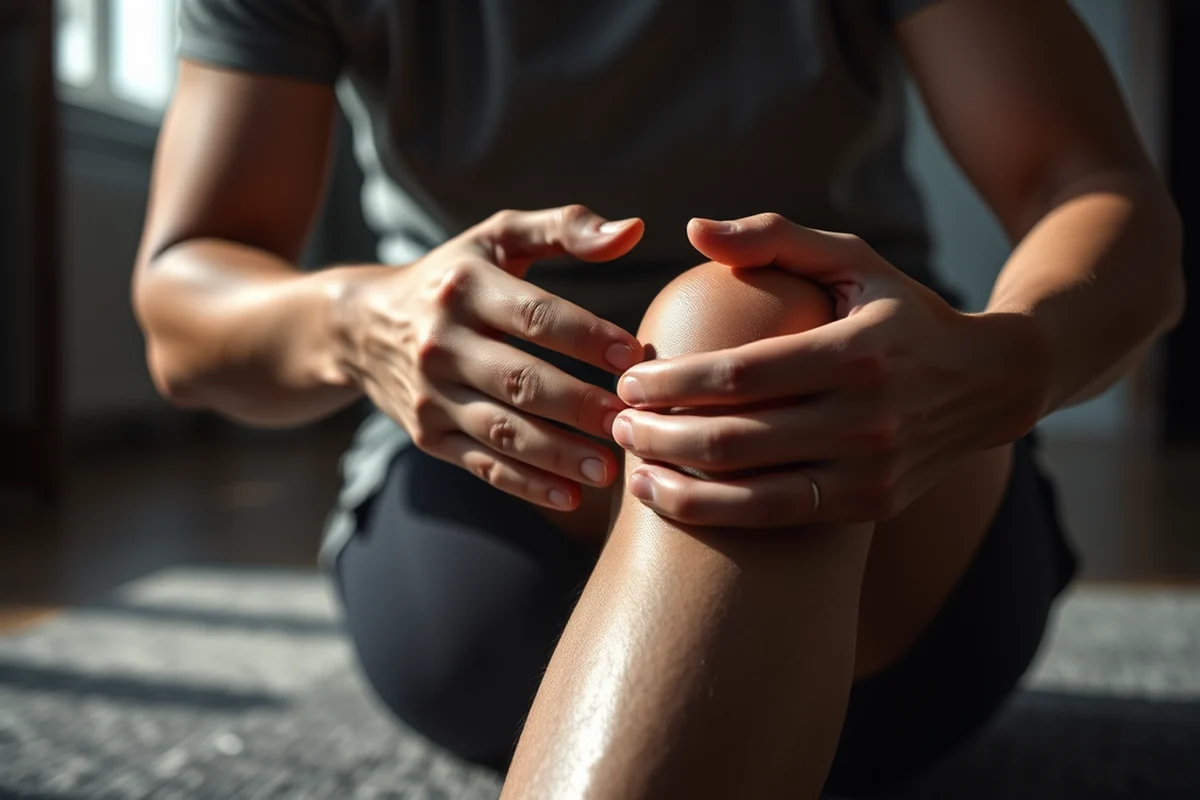
I learned this the hard way after months of pain and frustration. When I finally focused on strengthening my glutes and hamstrings, my knee pain began to subside. These muscles are the unsung heroes of knee health — they take pressure off the knees and help maintain proper alignment. I started with simple exercises like bridges and squats, and after a few weeks, I could walk without pain.
One of the most effective exercises I found was the clamshell. It targets the glutes directly and helps stabilize the knee. I did three sets of 15 reps every day for two weeks and noticed a difference. My knees felt stronger and more supported. Strengthening these muscles is like giving your knees a solid foundation — it’s not just about pain relief, it’s about long-term health.[3]
The key is consistency. I didn’t see results overnight, but I did notice a difference in how my knees felt after just a few days. Strengthening the muscles around your knee is a game-changer — it’s one of the most effective ways to fix knee pain and prevent future issues.
Strong muscles = less pain. It’s that simple.
Related: Aaos knee exercises
The Role of Foam Rolling in Knee Pain Relief
I used to think foam rolling was just for athletes. But after a few sessions, I realized how much it helped with my knee pain. Foam rolling targets muscle knots and tight areas that can contribute to pain. I started with the IT band and the quadriceps, and I noticed immediate relief. Foam rolling helped me relax the muscles around my knee and improve my range of motion.
I used a foam roller for 10 minutes a day, focusing on the areas that felt tight. I’d roll slowly and pause on any tender spots. It was uncomfortable at first, but after a few days, I felt looser and more flexible. Foam rolling is a simple yet effective tool for anyone looking to fix knee pain naturally.
The best part? You don’t need a fancy foam roller — a basic one from the store will work just fine. I’ve used foam rolling for over a year now and still use it as part of my daily routine. It’s a small investment that pays off in pain relief and mobility.
If your foam roller isn’t enough, try a tennis ball. Apply pressure to tight spots and roll it over the area for added relief.
“I remember the first time my knee felt like it was being stabbed by a knife while walking down the stairs.”— Knee Friendly Cardio Routines editors
Related: Gel injections for knee pain
The Importance of Proper Footwear
I never thought my shoes were the cause of my knee pain, but after switching to proper footwear, I noticed a significant change. My old shoes had worn out so much that they no longer provided adequate support. That lack of support made my knees take the brunt of every step, leading to pain and discomfort.
I invested in a pair of running shoes with good arch support and cushioning, and within a week, my knee pain had reduced. The right shoes help distribute pressure evenly across your feet and knees, reducing the strain. I’ve since made it a habit to check my shoes regularly and replace them when needed — it’s a small step that makes a big difference.
Choosing the right shoes is about more than just comfort. It’s about support, cushioning, and alignment. If you’re walking or standing for long periods, your shoes should provide enough support to protect your knees. It’s one of the simplest ways to fix knee pain — and it doesn’t require any special equipment or training.
Related: Knee anatomy diagram
The Benefits of Low-Impact Exercise
I used to think that any exercise was better than none, but that wasn’t the case when it came to my knees. High-impact activities like running and jumping made my pain worse. That’s when I discovered the power of low-impact exercise. Swimming and cycling became my go-to workouts — they helped me stay active without hurting my knees.
Swimming was especially helpful because it took all the pressure off my joints. I could move freely and build strength without worrying about pain. It was a game-changer for me. I started swimming three times a week, and after a few weeks, my knee pain had decreased significantly.
Low-impact exercises are a great way to fix knee pain — they help you stay active, build strength, and maintain flexibility. If you’re looking for a way to move without pain, consider switching to low-impact activities. It’s one of the most effective ways to improve your knee health.
Related: Exercise equipment for total knee replacement
The Healing Power of Rest and Recovery
I used to think that resting was a sign of weakness, but that couldn’t be further from the truth. My body needed rest to heal, and I finally realized that pushing through pain wasn’t helping me. I took a break from my intense workouts and focused on rest, and within days, I felt better. Rest is a crucial part of any knee pain solution — it’s not just about avoiding pain, it’s about giving your body the chance to heal.
I’ve learned that overtraining can be just as harmful as not training at all. My knees needed a break from high-impact activities, and I started incorporating rest days into my routine. I also made sure to get enough sleep and stay hydrated — simple habits that helped my body recover faster.
Rest and recovery are often overlooked with knee pain, but they’re essential. Your body can only do so much, and sometimes the best thing you can do is let it heal. If you’re struggling with knee pain, don’t be afraid to take a step back and give your body the rest it needs.
Sometimes, the best cure is just a good night’s sleep.
Related: Knee pain flexafen
The Long-Term Impact of Consistent Care
I used to think that fixing knee pain was a one-time fix, but I quickly learned that it’s an ongoing process. Consistency in my care routine — whether it was strengthening exercises, rest days, or proper footwear — made all the difference. I didn’t just see short-term relief; I noticed lasting changes in how my knees felt every day.
I’ve been following my knee care routine for over a year now, and the results are clear. My knees are stronger, more flexible, and less prone to pain. I’ve also noticed that I’m more active and can move without hesitation — something I used to take for granted.
Consistency isn’t always easy, but it’s worth it. Whether you’re working on strengthening your muscles or focusing on rest and recovery, staying the course is essential. It’s not about quick fixes or miracles — it’s about making small, consistent changes that add up over time.
🧘 Beginner's Routine
Start with 10-minute sessions of stretching and basic strengthening exercises.
💰 Budget-Friendly Approach
Use free resources like YouTube videos and household items like a towel for resistance.
⚡ Fastest Results
Combine foam rolling, low-impact exercise, and rest for a quick pain relief plan.
💪 Advanced Care
Incorporate physical therapy exercises and consult a specialist for tailored care.
🔄 Maintenance Plan
Sustain your progress with weekly routines and regular check-ins with a healthcare provider.
| The mistake | Why it happens | The fix |
|---|---|---|
| Ignoring the root cause of knee pain | This can lead to temporary relief but not long-term healing. | Take time to understand the cause — whether it’s weak muscles, poor posture, or overuse — and address it directly. |
| Overtraining without rest | This can worsen knee pain and lead to injury. | Incorporate rest days and listen to your body’s signals. Pain is a sign that you need to slow down. |
| Using improper footwear | This can increase pressure on the knees and lead to more pain. | Invest in shoes with proper support and replace them regularly to maintain knee health. |
| Avoiding all exercise | This can lead to weakened muscles, which can worsen knee pain in the long run. | Choose low-impact exercises that strengthen the muscles around the knee without causing additional strain. |
How Fix Knee Pain
Common Questions
Can I fix knee pain without seeing a doctor?
What are the best exercises for knee pain?
How long does it take to see results?
Can poor posture cause knee pain?
References
- united states of america - FDA (fda.gov)
- Genascence discusses gene therapy for knee osteoarthritis (blog.cirm.ca.gov)
- Optimizing Hip Abductor Strengthening for Lower Extremity ... - PMC (pmc.ncbi.nlm.nih.gov)
Cite this guide
Knee Friendly Cardio Routines (2026). How Fix Knee Pain. https://mildwalk.com/how-fix-knee-pain/
Feel free to cite or share this guide.
Knee-Friendly Cardio Week
A 7-day low-impact cardio schedule with intervals.
Open it free →