
Knee Replacement Recovery

📖 Table of Contents
- The First Week: Navigating the Aftermath of Surgery
- What to Expect in Weeks 2-4: Building Strength and Confidence
- Weeks 5-8: Expanding Your Range of Motion and Independence
- The Role of Physical Therapy in Knee Replacement Recovery
- Managing Pain and Swelling During Recovery
- The Emotional Side of Knee Replacement Recovery
- Long-Term Care and Maintenance for a Healthy Knee
- Make It Your Way
- Frequently Asked Questions
I remember the day my knee felt like it was made of sandpaper — every step forward was a reminder that my body was betraying me. After months of pain, I finally got the go-ahead for knee replacement surgery. The recovery was harder than I expected, but with the right tools and mindset, I found my way back to walking, hiking, and even dancing. This isn't just a story about knee replacement recovery; it's a roadmap for anyone who's staring down the same journey.[2]
Knee replacement recovery is more than just following a doctor's orders. It's about reclaiming your independence, one small movement at a time. I've walked through the early days of stiffness, the struggle of sitting on the floor, and the gradual return of strength. It's not a quick fix, but it's a path that can lead to a life with less pain and more joy. I'm here to share the hard-earned lessons I learned during my own recovery.[3]
I know how daunting knee replacement recovery can feel. The fear of not moving well, of not walking straight, or of not being able to do the things you love can be overwhelming. But I also know that with the right plan, you can move forward — not just physically, but emotionally. That's why this guide is here: to help you take each step with confidence, even if it feels like you're walking on eggshells at first.[4]
Why You'll Love This Knee Replacement Recovery Guide
- Clear, step-by-step instructions that make even the hardest days manageable.
- Real-world insights from someone who walked the path you're about to take.
- No fluff, just practical advice that works for everyday people.
- Tips that can be adapted to your lifestyle, whether you're in a rehab center or at home.
The First Week: Navigating the Aftermath of Surgery
As of October 2026, the first week after knee replacement surgery is all about pain management and basic mobility. I remember waking up with a dull ache and a heaviness in my leg that felt like I'd run a marathon. The first few days are critical — you have to be gentle but also stay active to avoid stiffness. I used a walker for the first few days and found that even simple movements, like sitting up in bed, required focus.
One of the most important things I learned early on was how to position my leg correctly. I followed my physical therapist's advice to keep my knee slightly bent when sitting or lying down. This helped prevent stiffness and made it easier to get up without straining my knee. I also made sure to elevate my leg above heart level as much as possible to reduce swelling.
I kept a notebook by my bed to track my progress — how much I could walk, how my pain level changed, and how my knee felt each day. It helped me notice small improvements, like being able to take an extra step without wincing. Even though I was sore, I knew that each movement brought me closer to recovery.
Documenting your progress, pain levels, and milestones can help you stay motivated and identify patterns in your recovery.
Part of our Knee exercises guide.
What to Expect in Weeks 2-4: Building Strength and Confidence

By week two, the initial shock of surgery starts to fade, but the real work begins. I remember walking more each day, even if it was just a few steps. I started using a cane instead of a walker, and I began doing gentle leg lifts and stretches as my physical therapist guided me. I was careful not to push too hard, but I made sure to move my knee through a full range of motion.
Swelling is a common issue during this time, and I found that applying ice packs for 15-20 minutes every few hours helped. I also used compression sleeves and elevating my leg whenever I could. These simple steps made a noticeable difference in my comfort level and mobility.[1]
I found that practicing getting in and out of bed, sitting on a chair, and standing up slowly became easier with time. My therapist showed me how to use my upper body to support my weight, which helped me avoid putting too much pressure on my new knee. It wasn't easy, but each small victory made me feel more in control of my recovery.
Recovery is a journey — every step, no matter how small, counts.
Related: Donjoy knee brace
Weeks 5-8: Expanding Your Range of Motion and Independence
By week five, I was doing more than just walking short distances. I started incorporating exercises like cycling on a stationary bike and using resistance bands to strengthen my leg muscles. I found that these exercises helped me build endurance and improve the stability of my new knee. I also began using the stairs again, starting with one step at a time.
One of the most challenging parts was getting used to the feeling of my new knee. It didn't feel quite like my old one, but with time, I learned how to move more naturally. I noticed that my gait was different at first, but I gradually adjusted until it felt more fluid. I also found that walking on different surfaces, like grass or uneven paths, helped me build confidence.
I was surprised by how quickly my mobility improved. By week eight, I was walking without my cane, and I was even able to go for short walks in the neighborhood. It was a major milestone — not just physically, but emotionally. I felt like I was finally reclaiming my life, one step at a time.
Starting with a stationary bike in the early stages of recovery can help improve circulation and build strength without putting too much strain on the knee.
“I remember the day my knee felt like it was made of sandpaper — every step forward was a reminder that my body was betraying…”— Knee Friendly Cardio Routines editors
Related: Pain behind knee
The Role of Physical Therapy in Knee Replacement Recovery
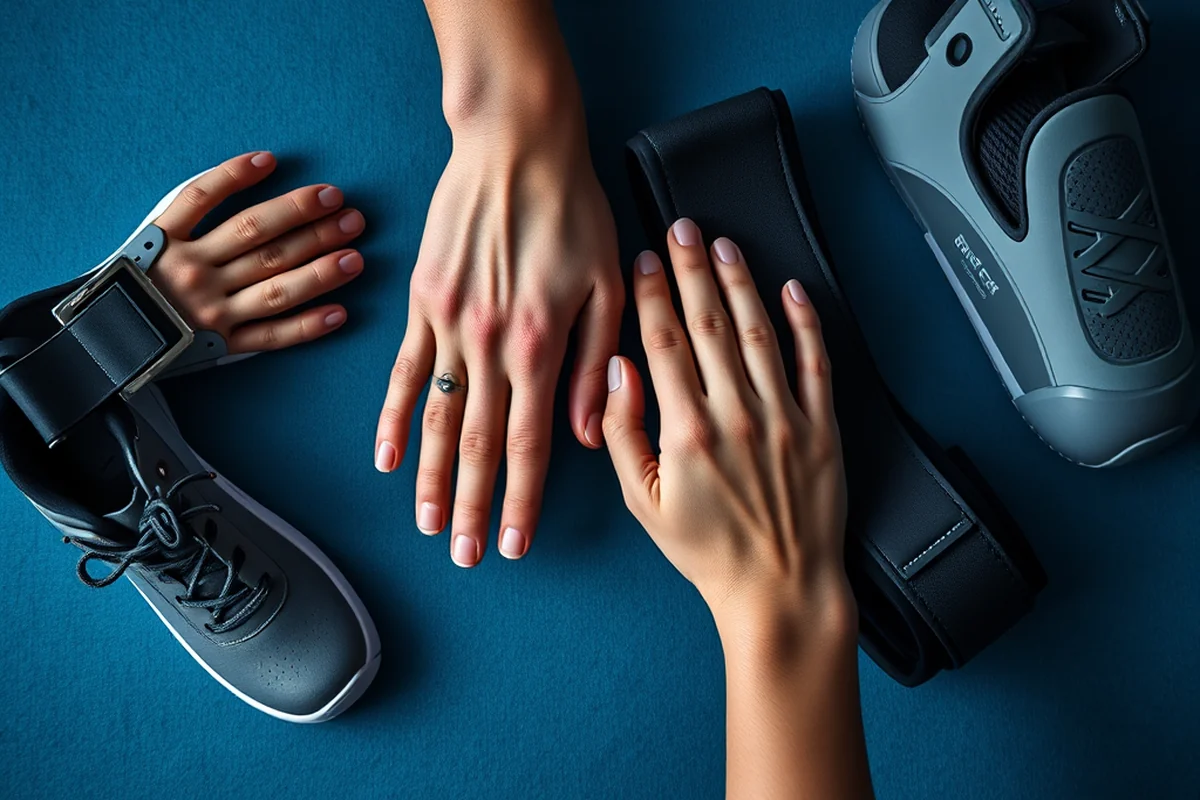
Physical therapy is more than just exercises — it's about rebuilding your body's relationship with movement. My physical therapist was my guide through the entire process, showing me how to move safely and effectively. I followed a structured program that included strength training, balance exercises, and flexibility work.
One of the most important aspects of physical therapy was learning to use my muscles properly. I had to retrain my quadriceps and hamstrings to support my knee, which I hadn't realized was so important before surgery. I also learned how to avoid putting too much weight on my knee during the early stages, which helped me prevent pain and stiffness.
I found that consistency was key. I attended my therapy sessions regularly and practiced my exercises at home, even on days when I didn't feel like it. Over time, I noticed significant improvements in my strength, flexibility, and overall mobility. Physical therapy gave me the tools I needed to move with confidence and ease.
Related: What is kneeling hip flexor stretch
Managing Pain and Swelling During Recovery
Pain management is a critical part of knee replacement recovery. I used a combination of prescribed medications and natural remedies to stay comfortable. Ice packs, elevation, and gentle massage were some of the most effective tools I used. I also made sure to follow my doctor's advice on when to take pain medication and when to avoid it.
Swelling is another common issue, especially in the first few weeks. I found that compression sleeves helped reduce the swelling, and I used them whenever I was up and moving. I also avoided sitting for long periods, which helped keep the swelling in check. I made it a habit to move my leg regularly, even if it was just a few minutes every hour.
I learned that rest and activity had to be balanced. I didn't want to overdo it, but I also didn't want to be too inactive. The key was to find a rhythm that worked for me — moving enough to stay active but not so much that I caused more pain or swelling. Over time, this balance became easier to achieve.
Related: Knee pain and relief
The Emotional Side of Knee Replacement Recovery
The emotional side of knee replacement recovery is often overlooked, but it's just as important as the physical. I remember feeling frustrated and anxious during the early stages, especially when I couldn't do the things I used to do. It was hard to adjust to a new way of moving and a new way of life.
I found that staying connected with friends and family helped me stay positive. I also made sure to take time for myself, whether it was reading a book, listening to music, or just sitting in a quiet place and breathing. These little moments of peace helped me stay grounded during the recovery process.
I also learned to be patient with myself. Recovery is not a straight line — there were good days and bad days, and that was okay. I focused on progress rather than perfection, and that mindset made a huge difference in how I felt about my recovery. Emotional resilience is just as important as physical strength.
Healing is not just about the body — it's about the mind and the heart.
Related: What is knee flexion
Long-Term Care and Maintenance for a Healthy Knee
Once the initial recovery is complete, long-term care becomes just as important. I made it a point to continue with low-impact exercises like swimming, cycling, and walking to keep my knee strong and flexible. I also made sure to avoid high-impact activities like running or jumping, which could put too much strain on my knee.
I found that maintaining a healthy weight was crucial for my knee's longevity. I didn't want to put extra pressure on my new knee, so I made sure to eat a balanced diet and stay active. I also made it a habit to check in with my doctor regularly, especially if I noticed any changes in my knee or mobility.
Consistency is key even after recovery. I continue to do light exercises and stretches every day to keep my knee moving smoothly. I also make sure to listen to my body and take breaks when needed. Over time, I've learned to treat my knee with care and respect, which has helped me enjoy a more active and pain-free life.
🚶♀️ Beginner's Approach
Start with simple, low-impact exercises and gradual movement to build strength and mobility.
💰 Budget-Friendly Plan
Use free or low-cost resources, like home workouts and community physical therapy programs.
⏳ Fastest Recovery Route
Combine physical therapy, daily movement, and pain management for the quickest return to activity.
💪 Advanced Recovery Plan
Focus on strength training, flexibility, and endurance to build long-term knee stability.
🔄 Maintenance Routine
Keep your knee strong and mobile with regular, low-impact exercises and ongoing care.
| The mistake | Why it happens | The fix |
|---|---|---|
| Ignoring pain and pushing too hard too soon | This can cause more damage to the knee and delay recovery. | Listen to your body and follow your doctor's or physical therapist's advice on when to increase activity. |
| Not elevating the leg enough | Failing to elevate your leg can increase swelling and slow down the healing process. | Make it a habit to elevate your leg above heart level whenever you're resting. |
| Avoiding movement for too long | Too much inactivity can lead to stiffness, muscle atrophy, and longer recovery times. | Move regularly, even if it's just a few steps every hour, to keep your knee flexible and strong. |
| Not following up with your doctor | Missing check-ups can lead to complications or setbacks in your recovery. | Attend all scheduled follow-ups and communicate any concerns or changes in your condition. |
Knee Replacement Recovery
Common Questions
How long does it take to fully recover from knee replacement surgery?
Can I do any exercises during the early stages of recovery?
Is it normal to feel pain during recovery?
What should I do if I experience swelling after surgery?
References
- Knee Replacement - Bone and Joint Institute - Penn State (boneandjoint.psu.edu)
- Faster, Safer Recovery at Home After Joint Replacement - CMS (cms.gov)
- How to return to fitness after total knee replacement - Harvard Health (health.harvard.edu)
- Regaining Mobility After Knee Surgery: Recovery Tips for Seniors (health.stonybrookmedicine.edu)
Cite this guide
Knee Friendly Cardio Routines (2026). Knee Replacement Recovery. https://mildwalk.com/knee-replacement-recovery/
Feel free to cite or share this guide.
Knee-Friendly Cardio Week
A 7-day low-impact cardio schedule with intervals.
Open it free →