
Best Arm Exercises

📖 Table of Contents
- Why Arm Strength Matters for Everyday Life
- The Best Arm Exercises for Beginners
- How to Progress from Basic to Advanced Arm Exercises
- The Role of Bodyweight Exercises in Arm Strength
- How Arm Exercises Improve Posture and Reduce Shoulder Pain
- How to Incorporate Arm Exercises Into a Daily Routine
- The Benefits of Combining Arm Exercises with Other Types of Movement
- Make It Your Way
- Frequently Asked Questions
I remember the first time I noticed my arms felt weaker during a run — not because of fatigue, but because I hadn’t properly engaged my upper body. It was during a long hike up a trail in the mountains, and I realized how much my arms contributed to balance, posture, and even endurance. That moment made me curious about the best arm exercises that could help me build strength without overcomplicating my routine. I wanted something that would complement my movement, not just add another chore to my day.[1]
As I began to explore different arm exercises, I discovered how crucial they are for overall health — not just for aesthetics, but for daily function. From lifting groceries to maintaining good posture, strong arms are an unsung hero in our lives. I experimented with various techniques, from bodyweight exercises to resistance training, and found that the best arm exercises are those that are both effective and adaptable to different lifestyles and fitness levels.
What surprised me was how quickly even a few simple arm exercises could make a difference. Within a few weeks, I noticed better posture, more stamina during walks, and even a slight improvement in my ability to carry heavier loads. This experience led me to compile a list of the best arm exercises that are not only practical but also grounded in real results — something that I wish I had known from the start.
Why You'll Love This Arm Routine
- Builds functional strength for daily tasks
- Improves posture and reduces shoulder pain
- Requires no equipment and fits into any schedule
- Can be tailored to all fitness levels
Why Arm Strength Matters for Everyday Life
As of October 2026, Strong arms are not just for athletes or bodybuilders — they play a crucial role in everyday life. Whether you're carrying groceries, opening doors, or even hugging your loved ones, your arms are constantly working. Weak arms can lead to strain on your shoulders and back, especially when lifting heavier objects. This is where the best arm exercises come into play, helping you build functional strength that translates directly into daily tasks.
I once struggled with lifting my suitcase at the airport — not because it was too heavy, but because my arms weren’t conditioned for the task. After incorporating a few arm exercises into my routine, I noticed a marked improvement. Within a few weeks, I found myself able to carry more weight with less effort, and my posture felt more balanced overall.
The best arm exercises are those that target both the biceps and triceps, ensuring that your arms are strong and well-rounded. These exercises don’t just build muscle — they also improve joint stability, which can prevent injuries and reduce discomfort in the long run.
Begin with bodyweight exercises like push-ups, wall push-ups, or overhead arm raises. These are accessible and effective for beginners.
Part of our Knee exercises guide.
The Best Arm Exercises for Beginners
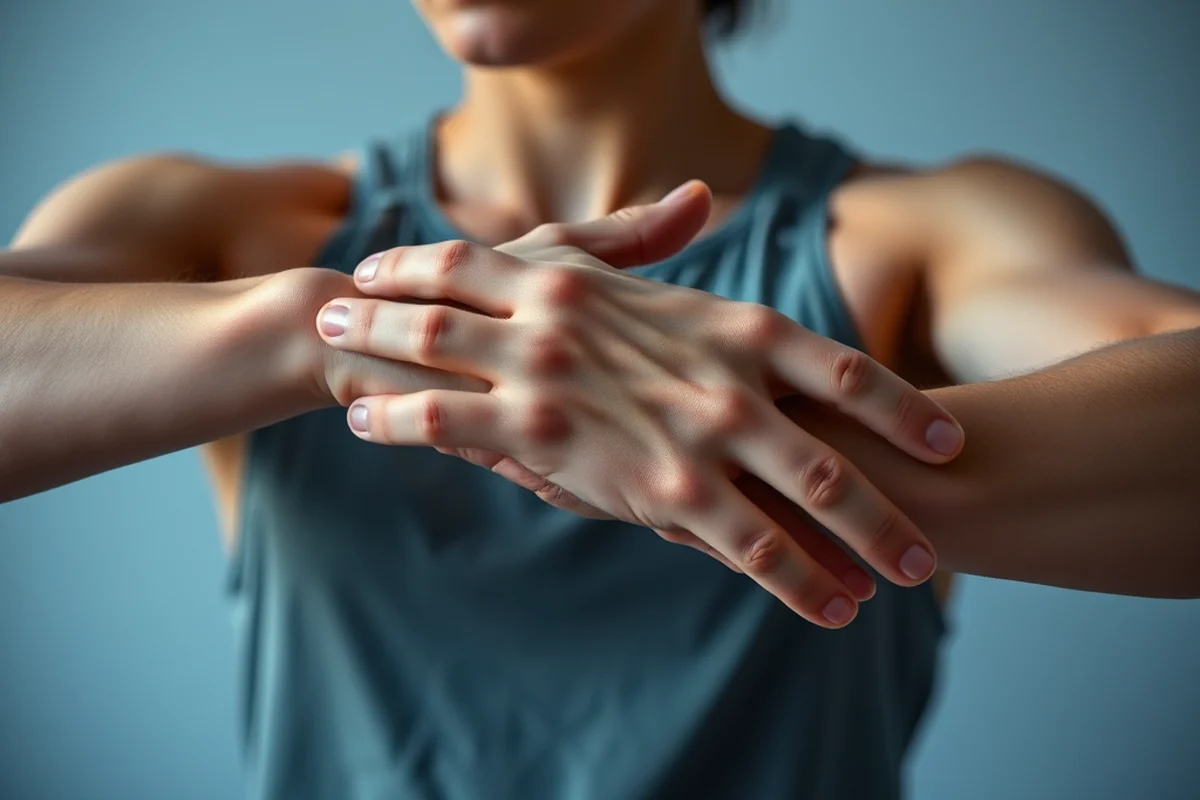
If you're new to arm exercises, it's essential to start with movements that are easy on the joints and don't require any equipment. Push-ups, for example, are a classic exercise that targets the chest, shoulders, and triceps — all of which contribute to arm strength. For those who find standard push-ups too challenging, wall push-ups or knee push-ups are excellent alternatives.
I found that doing three sets of 10 push-ups every other day helped me build stamina without overexerting myself. After two weeks, I was able to complete 15 push-ups with ease, and I noticed a subtle change in the tone of my arms.
Another great beginner exercise is the overhead arm raise, which works the shoulder and upper arm muscles. This can be done standing or sitting, and it's a low-impact way to build strength without risking injury.
Start small — consistency beats intensity.
Related: How relieve knee pain naturally
How to Progress from Basic to Advanced Arm Exercises
Once you've built a solid foundation with beginner exercises, it's time to move on to more advanced arm workouts. One of my favorites is the pull-up — a powerful exercise that targets the back and biceps simultaneously. If you can't do a full pull-up yet, using a resistance band or an assisted pull-up machine can help you build the strength needed.
Resistance bands are a fantastic tool for arm exercises because they provide variable resistance. I've used them for bicep curls, tricep extensions, and even overhead presses, and they've helped me maintain strength and flexibility over time.
Another advanced exercise is the dumbbell curl, which isolates the biceps and allows for a full range of motion. I started with 2-pound dumbbells to avoid strain and gradually increased the weight as my strength improved.
Resistance bands are versatile, affordable, and can be used for a wide range of arm exercises — from bicep curls to tricep extensions.
“I remember the first time I noticed my arms felt weaker during a run — not because of fatigue, but because I hadn’t properly engaged…”— Knee Friendly Cardio Routines editors
Related: What strengthen knees
The Role of Bodyweight Exercises in Arm Strength
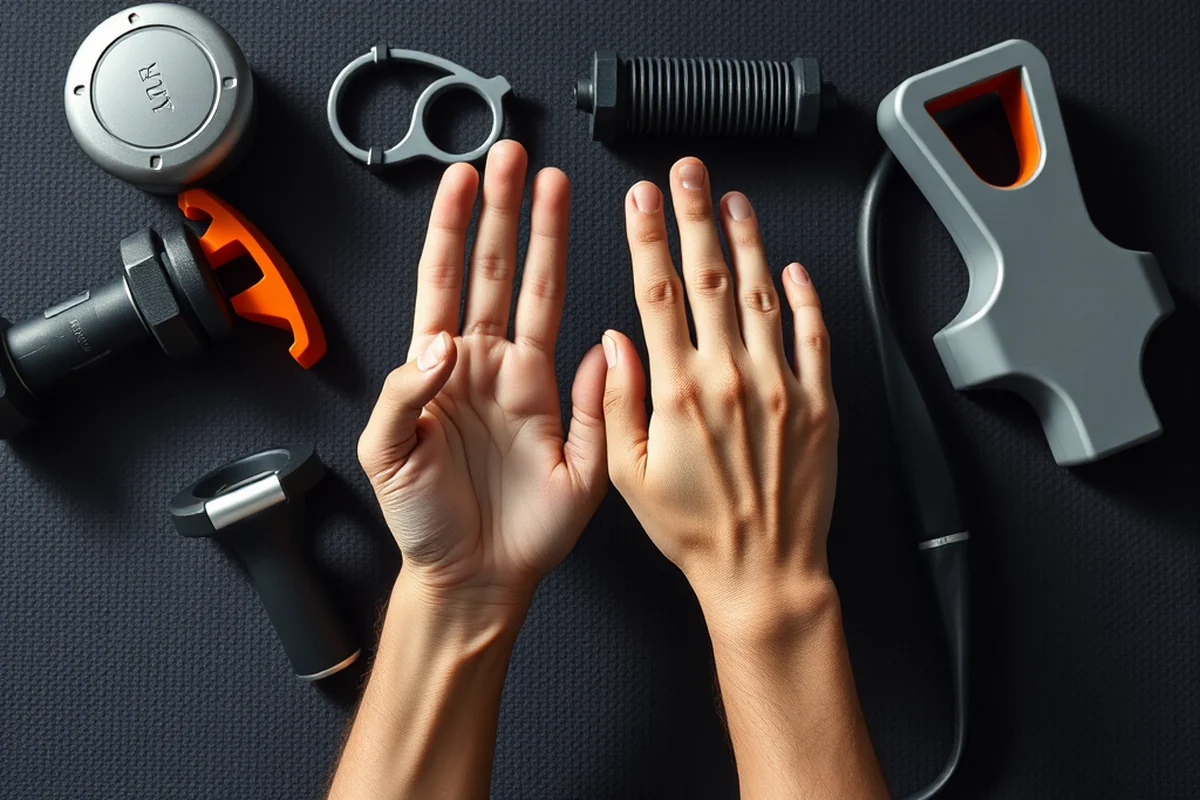
Bodyweight exercises are a cornerstone of arm strength training — they’re accessible, cost-effective, and can be done anywhere. Exercises like push-ups, tricep dips, and planks not only work the arms but also the core and stabilizing muscles, making them a well-rounded addition to any routine.
I’ve been doing tricep dips on a sturdy chair for a few months now, and the results have been impressive. My triceps feel more defined, and I’ve noticed an improvement in my ability to perform push-ups with proper form.
One of the best things about bodyweight exercises is that they can be modified to suit different fitness levels. For example, a wall push-up is perfect for beginners, while a decline push-up is more advanced and targets the upper chest and triceps more intensely.
Related: Bilateral knee pain icd 10
How Arm Exercises Improve Posture and Reduce Shoulder Pain
Poor posture is a common issue, especially for people who sit at a desk for most of the day. Weak arm and shoulder muscles can contribute to this by making it difficult to maintain an upright position. Strengthening the arms through targeted exercises can help improve posture and reduce the strain on the shoulders.
I used to slouch while working on my laptop, and my shoulders would constantly ache. After adding arm exercises that focused on the upper back and shoulder muscles, I noticed a significant improvement in my posture. My shoulders no longer felt tight, and I was able to sit more comfortably for extended periods.
Exercises like the YTWL (Y, T, W, L) movement, which targets the upper back and shoulder muscles, are particularly effective for improving posture. These exercises can be done with or without resistance bands and are a great way to build strength without overworking the arms.
Related: What is tennis elbow exercises
How to Incorporate Arm Exercises Into a Daily Routine
One of the biggest challenges when starting a new exercise routine is finding time to fit it into your day. However, arm exercises are incredibly flexible and can be done in short bursts throughout the day. For example, you can do a few push-ups or tricep dips while watching TV or take a quick break from work to do a few sets of arm curls.
I’ve found that doing a 10-minute arm workout in the morning while drinking my coffee helps me stay consistent. It’s a small but effective way to build strength without disrupting my schedule.[2]
Another option is to use your commute time for arm exercises. If you have a short walk to work, you can incorporate arm raises or shoulder rolls into your routine. These small changes can add up over time and lead to noticeable results.
Consistency is key — even 10 minutes a day can make a difference.
Related: What is knee high socks
The Benefits of Combining Arm Exercises with Other Types of Movement
While arm exercises are excellent for building upper body strength, they work best when combined with other forms of movement. For example, pairing arm exercises with core workouts or cardio can help improve balance, coordination, and overall endurance.
I’ve been incorporating arm exercises into my daily walks, doing shoulder rolls or arm raises while I’m walking. This not only helps with arm strength but also keeps my body moving and engaged throughout the day.
Another effective combination is pairing arm exercises with lower body workouts like squats or lunges. This creates a well-rounded routine that targets all major muscle groups and improves overall fitness.
💪 Beginner
Focuses on basic bodyweight exercises like push-ups and wall push-ups for building foundational strength.
💰 Budget
Uses free or low-cost tools like resistance bands and bodyweight exercises to build strength without spending much.
⏱️ Fastest
A time-efficient routine that fits into even the busiest schedules, with short but effective workouts.
🔥 Advanced
Incorporates heavy weights and complex movements like pull-ups and dumbbell curls for maximum strength gains.
🔄 Maintenance
A routine designed to sustain arm strength over time with minimal effort and no equipment.
| The mistake | Why it happens | The fix |
|---|---|---|
| Doing too many reps without proper form | This can lead to injury and reduce the effectiveness of the exercise. | Focus on quality over quantity — prioritize proper form and take breaks when needed. |
| Neglecting the triceps | Focusing only on the biceps can lead to imbalance and weakness in the arms. | Incorporate exercises like tricep dips and overhead extensions to ensure balanced development. |
| Skipping warm-up and cool-down routines | This can increase the risk of injury and reduce the benefits of the workout. | Always include a 5–10 minute warm-up and cool-down to prepare your muscles and prevent injury. |
| Not varying the exercises | Doing the same exercises repeatedly can lead to plateauing and reduced results. | Mix up your routine by incorporating different types of exercises and using varied equipment. |
Best Arm Exercises
Common Questions
Do I need weights to build arm strength?
Can arm exercises help with posture?
How long should I do arm exercises for each session?
Are there any arm exercises that are easy on the joints?
References
- FBI Director Christopher A. Wray's Farewell (fbi.gov)
- Staying Active - The Nutrition Source (nutritionsource.hsph.harvard.edu)
Cite this guide
Knee Friendly Cardio Routines (2026). Best Arm Exercises. https://mildwalk.com/best-arm-exercises/
Feel free to cite or share this guide.
Knee-Friendly Cardio Week
A 7-day low-impact cardio schedule with intervals.
Open it free →