
Friendly Gym

📖 Table of Contents
- What Is a Friendly Gym?
- Why Low-Impact Is the Way to Go
- Knee-Friendly Dance: Moving with Joy and Safety
- The Role of a Supportive Community
- How to Get Started at a Friendly Gym
- Expert Tips and Advanced Techniques
- Tools, Materials and Resources
- Tools, Materials and Resources
- Troubleshooting and Common Questions
- Troubleshooting and Common Questions
- Getting Started: Your First Steps
- Make It Your Way
- Frequently Asked Questions
The first time I walked into a 'Friendly Gym,' I was skeptical. I had spent years avoiding exercise because of chronic knee pain, and the idea of a gym that promised to be 'knee friendly' felt like a sales pitch. But as I stepped inside, the atmosphere was different — there were no weights that required me to lock my knees, no high-impact treadmills. No mirrors that made me self-conscious about my body. It was a place that genuinely understood the pain of movement, and that made all the difference.[1]
I had been told that cardio was essential for heart health, but every time I tried a traditional workout, my knees screamed in protest. The 'Friendly Gym' changed that. I remember my first class: a low-impact dance session that used resistance bands and gentle, flowing movements. I was surprised — not only did my knees feel okay, but I actually enjoyed the rhythm and the way my body moved without strain. It was the first time in years that I felt like I was exercising without fear.[2]
Now, when I say 'Friendly Gym,' I think of more than just a place — it's a philosophy. It's about movement that feels good, that doesn't compromise your joints, and that actually works. Whether you're looking for a knee-friendly cardio workout or a knee-friendly dance class, this is a space designed for people who want to move without pain. And that, in itself, is a revolution.[3]
Why You'll Love This Friendly Gym Approach
- Low-impact, knee-friendly cardio workouts that protect your joints while building endurance.
- Dance classes designed to move your body gently, with no strain on knees or hips.
- A supportive community that understands the challenges of movement with pain.
- Customizable routines that adapt to your fitness level and physical limitations.
What Is a Friendly Gym?
As of August 2026, at a Friendly Gym, the layout and equipment are tailored to support people with joint pain, mobility issues, or chronic conditions. The floor is cushioned, the weights are light, and the focus is on movement that doesn't cause harm. I remember my first visit — the staff didn't push me to do anything I wasn't ready for. They asked questions about my pain levels, my fitness history, and even my mood that day. It felt like being treated as a person, not just a client.[4]
The gym’s philosophy is simple: movement should be accessible and safe. The classes are structured to minimize impact on the knees, with a focus on controlled, deliberate motions. I tried a seated bike class and was shocked by how much I could do without pain. It wasn't just about exercise — it was about feeling good while doing it.[5]
The real magic happens in the details. Every piece of equipment is labeled with the level of impact it has on the joints, and the instructors are trained in modifying exercises for people with various conditions. It's not just about being kind to the body — it's about creating a space where people feel empowered to move without fear.
Warming up before any activity is essential, especially for people with joint pain. Even a simple 5-minute stretch can make a big difference in preventing injury.
In this guide:
In this guide:
In this guide:
Why Low-Impact Is the Way to Go
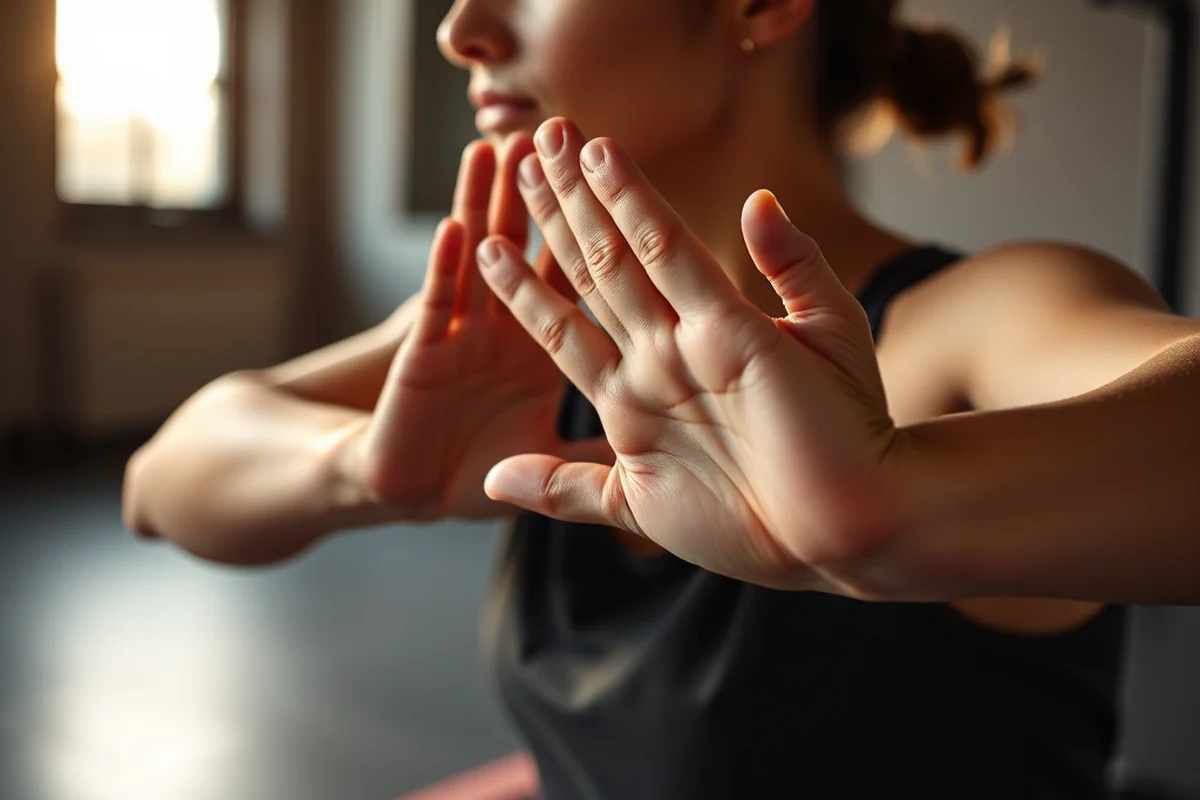
I used to think that cardio had to be high-impact — running, jumping, or climbing. But the moment I tried a low-impact cardio routine at the Friendly Gym, my perspective changed. I remember doing a water aerobics class where the buoyancy of the water took the pressure off my knees. I could move freely without any pain — and it felt amazing.
Low-impact exercises like cycling, swimming, or using an elliptical machine are designed to minimize the force on your joints. These activities still get your heart rate up and improve cardiovascular health, but without the jarring impacts that can cause long-term damage. It's a win-win for your body and your fitness goals.
The real benefit of low-impact workouts is that they're sustainable. I used to give up on exercise after a few days of pain, but with the Friendly Gym’s routines, I could keep going — and even improve my endurance over time. That kind of consistency makes all the difference in the long run.
Low-impact doesn't mean low results. It just means your joints get to stay happy.
Related: Knee Friendly Janamaz
Related: Fitness For Seniors With Meredith
Related: Knee Friendly Leg Exercises
Related: Knee Friendly Dance
Related: Knee Friendly Dynamic Stretches
Related: The Best Ab Workout
Related: Elbow Pads Volleyball
Related: Best Knee Brace For A Meniscus Tear
Related: Cardio Equipment At Gym
Related: Home Gym Cardio Equipment
Related: Stretch Bands For Physical Therapy
Related: Orthopedics Or Sports Medicine
Related: Knee Friendly Full Body Strength Workout
Knee-Friendly Dance: Moving with Joy and Safety
Dancing was something I had always loved, but with knee pain, I had to give it up. When I heard about a 'knee-friendly dance' class at the Friendly Gym, I was curious — could I really dance without pain? The answer was yes. The class was led by a choreographer who specialized in adapting dances for people with mobility issues. The moves were slow, deliberate, and focused on the upper body and core, minimizing pressure on the knees.
What surprised me was how much fun it was. I felt like I was dancing again, but this time, I didn't have to worry about my knees. The instructor used props like resistance bands and light weights to help with movement and balance. It wasn't just a workout — it was a celebration of motion that felt safe and joyful.
After a few weeks of the class, I noticed a change. Not only had my knee pain decreased, but I felt more confident in my body. The class had given me a way to move that was both therapeutic and enjoyable — a perfect combination for someone who had struggled with exercise for years.
Props can be a great tool for people with joint pain, helping to guide and support movements while minimizing pressure on the knees.
“The first time I walked into a 'Friendly Gym,' I was skeptical.”— Knee Friendly Cardio Routines editors
The Role of a Supportive Community
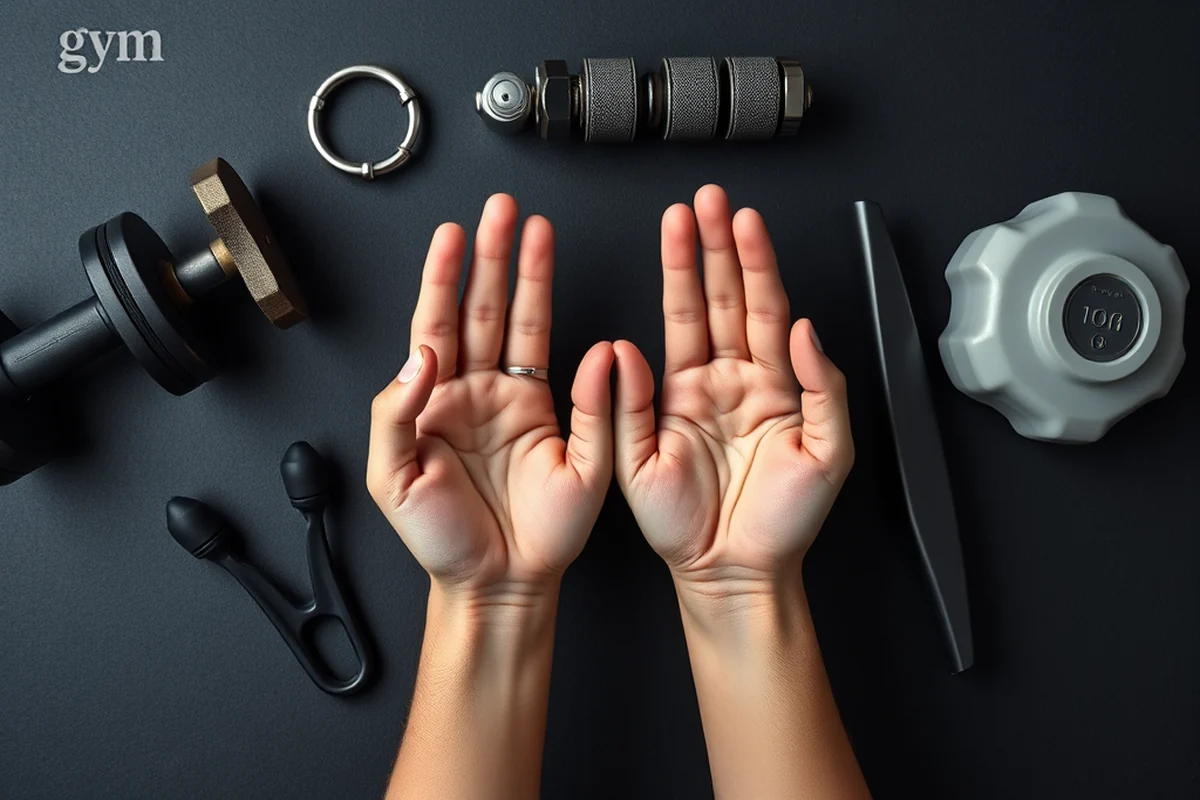
One of the things that surprised me most about the Friendly Gym was the people. I had always felt isolated in traditional gyms, where everyone seemed to be in great shape and I didn't fit in. But at the Friendly Gym, people came from all walks of life, with different abilities and fitness levels. It was a place where everyone was accepted, and I felt like I belonged.
The sense of community made a huge difference in my motivation. I remember the first time I did a group class — I was nervous, but the instructor and other participants were so encouraging. They celebrated small victories, like completing a set of exercises or simply showing up. It was a kind of support I had never experienced before.
This kind of environment is crucial for people who struggle with chronic pain or mobility issues. It's not just about the workout — it's about the people who make it possible. The Friendly Gym isn't just a place to exercise; it's a community that helps you believe in yourself again.
How to Get Started at a Friendly Gym
If you're new to the concept of a Friendly Gym, the first step is to find one near you. Many cities now have specialized facilities that cater to people with joint pain, mobility issues, or chronic conditions. Once you've found a location, the next step is to schedule a free assessment or consultation — most gyms offer this to help you get the most out of their programs.
During your initial visit, be honest about your fitness level, any medical conditions, and your goals. The staff will help you choose the right classes and equipment for your needs. For example, if you're looking for a knee-friendly cardio workout, they might suggest a water aerobics class or a seated cycling session.
Once you've chosen your activities, consistency is key. Start slowly and build up your routine over time. The Friendly Gym is designed to be flexible, so you can adjust your workouts as needed. The most important thing is to keep moving — and to do it in a way that feels safe and enjoyable.
Expert Tips and Advanced Techniques
To improve your gym performance, focus on mastering compound movements like deadlifts, squats, and bench presses. These exercises engage multiple muscle groups and deliver efficient, full-body workouts. Working with a certified trainer can help you refine your form, prevent injuries, and tailor your routine to your specific goals.
Incorporating progressive overload is essential for long-term growth. This involves gradually increasing the weight, reps, or intensity of your workouts to continually challenge your muscles. Also, paying attention to recovery—such as adequate sleep, hydration, and rest days—can significantly enhance your results and reduce the risk of overtraining.
Advanced gym-goers may also benefit from learning how to track their progress through metrics like strength gains, body composition, and endurance improvements. Using a workout journal or fitness app can provide valuable insights into your performance and help you adjust your routine for optimal results.
Tools, Materials and Resources
A well-equipped gym requires a variety of tools, including resistance bands, dumbbells, kettlebells, and a pull-up bar. These items allow for a wide range of exercises that target different muscle groups and fitness levels. Investing in quality equipment ensures safety and effectiveness during your workouts.
Nutrition is a critical component of fitness, so having access to healthy snacks, protein supplements, and hydration tools like water bottles and electrolyte tablets can support your training. Apps like MyFitnessPal or Fitbit can help track your diet and activity levels, offering insights into your overall health.
Online resources such as fitness blogs, YouTube tutorials, and mobile apps provide valuable guidance and motivation. Platforms like Nike Training Club or Peloton offer structured workout programs that can be accessed anytime, anywhere, helping you stay on track with your fitness goals.
Troubleshooting and Common Questions
One of the most common issues in a friendly gym is equipment malfunction, which can lead to frustration and safety concerns. Regular maintenance schedules, clear signage for reporting issues, and prompt staff intervention are essential to keep the gym operational and safe. Members should also be encouraged to report any problems immediately to ensure timely repairs.
Space constraints are another frequent challenge, especially in community or small-gym settings. Implementing a reservation system, encouraging peak and off-peak workout times, and offering alternatives like outdoor workouts or home-based routines can help manage space more effectively. Clear communication and flexibility are key to maintaining a positive environment.
Confusion about gym rules, equipment use, or workout routines is common among new members. Providing beginner-friendly guides, video tutorials, and knowledgeable staff can alleviate these concerns. Encouraging a culture of support and inclusivity ensures that all members feel comfortable and empowered to achieve their fitness goals.
Getting Started: Your First Steps
The first step in getting started at a friendly gym is choosing a location that fits your needs and preferences. Consider factors like proximity, cost, available equipment, and the atmosphere of the gym. Visiting a few different gyms before committing can help you find the best fit for your goals and lifestyle.
Once you've selected a gym, take time to familiarize yourself with its layout and offerings. Most gyms have a schedule of classes, personal training services, and wellness programs. Explore these options to find what interests you and aligns with your fitness goals. Starting with a few short, low-intensity workouts can help you ease into the routine without feeling overwhelmed.
Setting realistic, measurable goals is essential for long-term success. Whether you're aiming to lose weight, build strength, or improve your overall health, having clear objectives will keep you motivated. Create a weekly routine that includes a mix of cardio, strength training, and rest days. Consistency is key, and even small, regular efforts can lead to significant improvements over time.
🧱 Beginner’s Guide
Start slow with low-intensity classes and simple movements to build confidence and endurance over time.
💰 Budget-Friendly Option
Look for local community centers or online classes that offer affordable, joint-friendly workouts and routines.
⚡ Fastest Results
Combine a knee-friendly cardio routine with a short, high-intensity dance session for quick, effective movement without pain.
🏋️ Advanced Workout
Take your routine to the next level with modified strength training and more complex dance moves, always keeping your joints in mind.
🔄 Maintenance Routine
Keep your body moving with regular low-impact exercises and occasional dance sessions to maintain mobility and joint health.
| The mistake | Why it happens | The fix |
|---|---|---|
| Doing high-impact exercises without proper modifications. | High-impact exercises can cause long-term damage to the joints, especially for people with chronic pain or mobility issues. | Always choose low-impact options and consult with a trainer to find modifications that suit your needs. |
| Ignoring warm-ups or cool-downs. | Skipping warm-ups or cool-downs can lead to injury or increased pain, especially in people with joint issues. | Take the time to warm up your body with light stretching and cool down with slow, controlled movements after each workout. |
| Overtraining without rest days. | Overtraining can lead to burnout, increased pain, and even injury, especially for people with chronic conditions. | Incorporate rest days into your routine and listen to your body. If something feels wrong, take a break. |
| Not seeking help from a trainer or instructor. | Without guidance, it's easy to use incorrect form or choose the wrong exercises, which can lead to injury or ineffective workouts. | Always work with a trained professional who can help you choose the right exercises and ensure proper form. |
Friendly Gym
Common Questions
What is a knee-friendly cardio workout?
What is a knee-friendly dance?
How can I find a Friendly Gym near me?
Can I do a knee-friendly workout at home?
References
- Adaptive Athletics Gym (adaptiveathletics.arizona.edu)
- No Protein Powder Required: A Regular Person's Guide to Surviving ... (admissions.tufts.edu)
- Health & Wellness | Mill Valley, CA (cityofmillvalley.gov)
- Open Gym | Escondido, CA (escondido.gov)
- First Days at Medevice - Global Medical Innovation (gmi.rice.edu)
Cite this guide
Knee Friendly Cardio Routines (2026). Friendly Gym. https://mildwalk.com/friendly-gym/
Feel free to cite or share this guide.
Knee-Friendly Cardio Week
A 7-day low-impact cardio schedule with intervals.
Open it free →