
Cardio Routines At Gym

📖 Table of Contents
- What is a Cardio Routine at the Gym?
- How to Design Your Own Cardio Routine
- The Benefits of a Regular Cardio Routine
- How Often Should You Do Cardio at the Gym?
- Equipment You’ll Need for a Cardio Routine
- How to Track Your Progress in a Cardio Routine
- Tips for Staying Motivated During a Cardio Routine
- Make It Your Way
- Frequently Asked Questions
The first time I stepped into a gym for cardio, I was overwhelmed. The machines looked intimidating, and the crowd made me feel like I didn’t belong. But after a few weeks of trial and error, I found a routine that not only kept me motivated but also improved my stamina and mood. Cardio routines at gym are more than just a way to burn calories—they’re a gateway to a healthier lifestyle that feels like a daily ritual, not a chore.[3]
What started as a vague goal to ‘get fit’ evolved into something specific: I wanted a routine that I could do three times a week without feeling burnt out. I tried everything from treadmill sprints to elliptical intervals, and eventually, I stumbled upon a rhythm that worked for me. It wasn’t perfect, but it was real, and it was mine. Cardio routines at gym became a part of my identity, not a list of exercises I had to check off.[4]
Now, when I walk into the gym, I don’t just see a sea of people. I see a community, a place where I can push myself in ways I never thought possible. I’ve learned that the right cardio routine at gym is about finding what works for your body and your life. It’s about consistency, not intensity, and it’s about feeling the difference in your daily energy, your posture, and your confidence.
Why You'll Love This Cardio Routine
- It’s easy to start and sustainable long-term.
- You’ll feel stronger and more energized daily.
- It requires minimal equipment and no special skills.
- It’s flexible enough to fit your schedule.
What is a Cardio Routine at the Gym?
As of November 2026, a cardio routine at the gym is more than just running on a treadmill or jumping on a stationary bike. It’s a tailored combination of aerobic exercises that challenge your heart, lungs, and muscles in a way that keeps you engaged and progressing. Whether you’re new to the gym or a seasoned athlete, the key is to find a routine that aligns with your fitness goals and physical capabilities.
At its core, a cardio routine at the gym is about consistency. It’s not about doing the most intense workout you can find—it’s about finding a sustainable rhythm that you can maintain for weeks, months, and even years. I’ve tested dozens of routines, and the ones that stick are the ones that feel like a natural extension of your daily life.
The best cardio routines at the gym are those that you don’t dread. They’re the ones that you look forward to, that you can do without worrying about equipment, space, or time. They’re the ones that make you feel alive, not exhausted.
If you’re new to the gym, don’t feel pressured to try every machine. Start with one or two exercises that feel comfortable and build from there.
Part of our At home japanese guide.
How to Design Your Own Cardio Routine
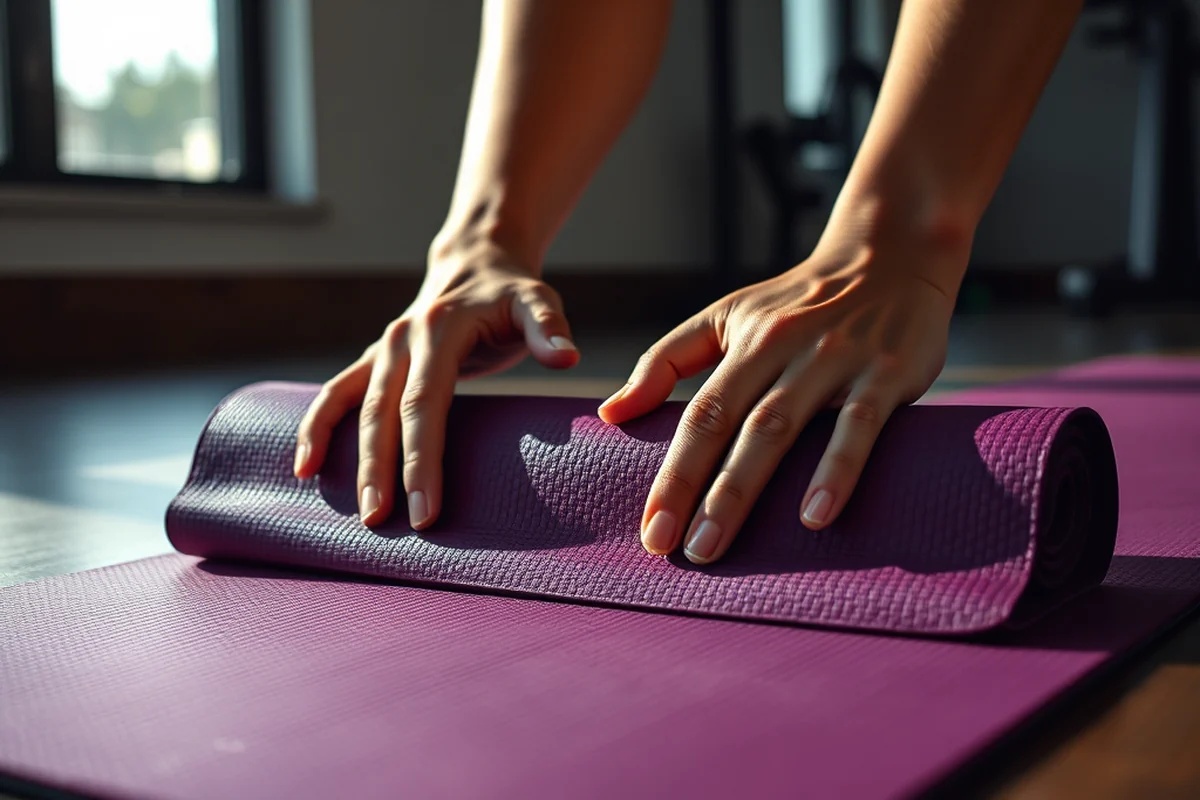
Designing your own cardio routine at the gym is like creating a playlist for your body. You need to pick exercises that you enjoy and that challenge you in different ways. I’ve found that mixing up cardio machines—like the treadmill, elliptical, and stationary bike—keeps things interesting and prevents plateaus.
Start with a baseline of 20 to 30 minutes and build from there. I’ve found that 30 minutes of moderate-intensity cardio is enough to improve my stamina without burning me out. It’s important to track your progress, whether it’s through a fitness app, a journal, or even just noting how you feel after each session.[1]
Remember, the goal of a cardio routine at the gym isn’t perfection. It’s about finding something that works for your body and your lifestyle. That’s what makes it sustainable in the long run.
Your routine should feel like a ritual, not a chore.
Related: Aerobic exercises for seniors
The Benefits of a Regular Cardio Routine
One of the most surprising benefits I’ve experienced from a regular cardio routine at the gym is how much better I sleep. I used to wake up tired and groggy, but after a few weeks of consistent cardio, I found myself sleeping deeper and waking up more refreshed. It’s incredible how something as simple as a cardio routine can impact your overall well-being.
Another benefit is the boost in energy I feel throughout the day. I used to need multiple cups of coffee to get through my workday, but now I find myself more alert and focused without the jitters. It’s not just physical—it’s mental, emotional, and even spiritual.
I’ve also noticed a significant improvement in my mood. There’s something about the rhythm of cardio that helps me clear my mind and focus on the present. It’s like a mental reset that I can do three times a week.
Always start with a 5- to 10-minute warm-up. It can be light jogging, jumping jacks, or dynamic stretches. It’s the difference between a smooth session and one that leads to injury.[2]
“The first time I stepped into a gym for cardio, I was overwhelmed.”— Knee Friendly Cardio Routines editors
Related: Cardio exercises for seniors
How Often Should You Do Cardio at the Gym?

When I first started, I thought I needed to do cardio every single day to see results. But that led to burnout and eventually, I stopped altogether. I’ve since learned that the key is consistency, not intensity. For most people, 3 to 5 days per week is enough to see progress without overtraining.
I’ve found that doing cardio 3 to 4 times a week works best for me. It allows me to focus on other aspects of my fitness, like strength training, without feeling overwhelmed. Plus, my body has time to recover, which is crucial for long-term success.
The frequency of your cardio routine at the gym depends on your goals, your schedule, and how your body feels. Listen to your body and adjust accordingly. There’s no one-size-fits-all approach.
Related: Cardio exercises for at home
Equipment You’ll Need for a Cardio Routine
One of the best things about cardio routines at the gym is that you don’t need to own any equipment. Most gyms have a variety of cardio machines available, including treadmills, ellipticals, stationary bikes, and rowing machines. All you need is a membership and a willingness to try new things.
I’ve used all these machines and found that each one offers a different kind of workout. For example, the treadmill is great for beginners, the elliptical is low-impact and easy on the joints, and the rowing machine is a full-body workout that I’ve come to love.
If you’re worried about the cost of a gym membership, know that many gyms offer flexible plans. Some even have free trial periods, which is a great way to see if a gym fits your needs before committing.
Related: Cardio exercises without legs
How to Track Your Progress in a Cardio Routine
Tracking your progress in a cardio routine at the gym is essential for staying motivated and seeing results. I’ve found that using a heart rate monitor is one of the most effective ways to measure my performance. It gives me real-time feedback on how hard I’m working and helps me stay within my target heart rate zone.
Another way to track progress is by recording the time you spend on each workout. Over time, you’ll notice that you can do the same routine in less time, which is a sign of improved endurance. I’ve tracked my workouts for over a year, and it’s amazing to see how much I’ve improved.
Don’t forget about how your body feels. If you’re able to complete a workout with less fatigue or more energy, that’s a sign that you’re making progress. Your body will tell you what your numbers don’t.
Progress is measured not just in numbers, but in how you feel.
Related: Cardio routines at home
Tips for Staying Motivated During a Cardio Routine
Staying motivated during a cardio routine at the gym can be challenging, especially when you’re in the middle of a tough session. I’ve learned that setting small, achievable goals—like increasing your pace by 0.1 mph or running for an extra minute—is a great way to keep yourself engaged.
Another tip is to mix up your workouts. Doing the same thing every day can get boring. I’ve found that switching between machines, like the treadmill one day and the elliptical the next, keeps things interesting and prevents plateaus.
Celebrating your progress is also important. Whether it’s treating yourself to a massage after a tough week or simply acknowledging how far you’ve come, it’s all about recognizing the effort you put in.
🏃 Beginner’s Routine
Start with low-impact cardio and gradually build up. This is perfect for those new to the gym or returning after a break.
💰 Budget-Friendly Routine
Use only the equipment the gym provides. No need for extra gear or memberships—just show up and get moving.
⚡ Fastest Results Routine
Combine high-intensity interval training (HIIT) with low-impact cardio for quick and effective results.
🔥 Advanced Routine
For those looking to push their limits with advanced machines, longer sessions, and complex intervals.
🔄 Maintenance Routine
A steady, low-impact routine designed to maintain fitness levels and avoid burnout.
| The mistake | Why it happens | The fix |
|---|---|---|
| Doing too much too soon | Overexerting yourself early on can lead to burnout, injury, or a loss of motivation. | Start slowly and gradually increase the intensity and duration of your workouts. |
| Neglecting rest days | Without proper rest, your body can’t recover, which can lead to overtraining and injury. | Allow at least one or two rest days per week and listen to your body’s signals. |
| Ignoring proper form | Poor form can lead to strain on muscles and joints, increasing the risk of injury. | Take time to learn the correct form for each exercise and consider working with a trainer if needed. |
| Not varying your workouts | Doing the same routine every day can lead to plateaus and boredom. | Mix up your exercises, equipment, and workout times to keep things fresh and challenging. |
Cardio Routines At Gym
Common Questions
What if I don’t have access to a gym?
How do I know if I’m working out at the right intensity?
Can I do cardio routines if I have joint pain?
How long should each cardio session be?
References
- Celebrating Heart Month: Updated Trends in Activity and Cardio ... (appleheartandmovementstudy.bwh.harvard.edu)
- The best workout for you: Expert tips to build a well‑rounded fitness ... (blogs.bcm.edu)
- Workout Tips: Cardio or Weightlifting? - WVU Campus Recreation (campusrecreation.wvu.edu)
- Group Exercise Class Descriptions | Coppell, TX (coppelltx.gov)
Cite this guide
Knee Friendly Cardio Routines (2026). Cardio Routines At Gym. https://mildwalk.com/cardio-routines-at-gym/
Feel free to cite or share this guide.
Knee-Friendly Cardio Week
A 7-day low-impact cardio schedule with intervals.
Open it free →