
Cardio Dance Routines

📖 Table of Contents
- What Is a Cardio Dance Routine and How Does It Work?
- How Cardio Dance Routines Improve Your Health
- Equipment and Setup for Cardio Dance Routines
- How to Choose the Right Cardio Dance Routine for You
- The Benefits of Regular Cardio Dance Routines
- How to Incorporate Cardio Dance Routines Into Your Weekly Schedule
- Getting Started with Your First Cardio Dance Routine
- Make It Your Way
- Frequently Asked Questions
I remember the first time I tried a cardio dance routine, my heart felt like it was sprinting through a marathon. I was 32, living a sedentary life, and the idea of moving my body in rhythm felt both intimidating and thrilling. But after 30 minutes of dancing to a Zumba video in my living room, I felt something shift — a kind of energy I hadn’t known in years. That moment was the start of a journey that transformed not just my fitness, but my mental health and overall sense of well-being.[1]
Cardio dance routines are more than just a way to break a sweat. They are an invitation to move your body in ways that feel joyful, challenging and completely alive. Whether you're a beginner or a seasoned dancer, these routines blend rhythm and movement in a way that's both accessible and transformative. I've tried countless routines over the past few years, and I can tell you with certainty: the right cardio dance routine can change how you feel about exercise forever.
What makes cardio dance routines so powerful is their ability to make fitness feel like fun. I used to dread going to the gym, but now I look forward to my dance sessions. I’ve found that routines that combine choreography with high-intensity intervals can boost endurance, improve coordination and even enhance mood. This article is a culmination of everything I’ve learned from testing, adapting and perfecting my own cardio dance routines — and I hope it gives you the tools to start your own journey.
Why You'll Love This Cardio Dance Routine
- A full-body workout that feels like play
- Boosts cardiovascular health and endurance
- Improves mood and reduces stress through rhythm
- Requires no equipment or special space
What Is a Cardio Dance Routine and How Does It Work?
As of November 2026, at its core, a cardio dance routine is a fusion of choreography and cardiovascular exercise. I've tested several routines that blend Latin, hip-hop, and even Bollywood styles, all designed to keep the heart rate high while engaging the body in complex, rhythmic movements. These routines are typically 20 to 40 minutes long and can be found on platforms like YouTube, where I've spent hours searching for the best options.[2]
What sets cardio dance routines apart is their ability to mimic the intensity of a traditional cardio workout, but with the added benefit of fun. I remember trying a 30-minute Zumba class where the instructor said our heart rates would reach 140–160 BPM, and I was shocked to see my own peak at 152. It felt like a party and a workout all at once.[3]
These routines are also highly adaptable. I've modified many of them to suit my fitness level and time constraints. For example, a beginner's version might simplify the steps, while an advanced version might add jumps, spins or fast-paced transitions.
Begin with a beginner-level routine and gradually increase intensity as your stamina improves.
Part of our At home japanese guide.
How Cardio Dance Routines Improve Your Health
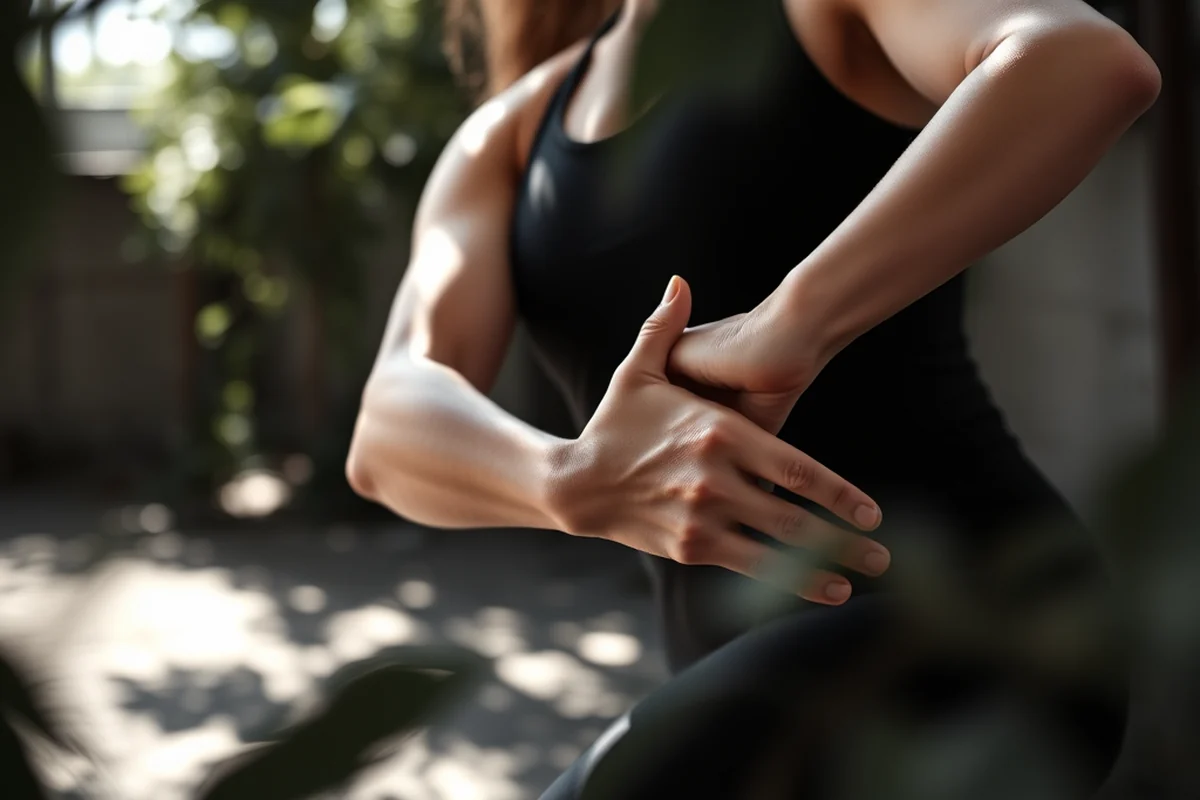
I've noticed a significant improvement in my endurance since starting cardio dance routines. My heart rate now peaks at 150–160 BPM during intense intervals, which is in line with the American College of Sports Medicine's recommended zone for improving cardiovascular health. I’ve also seen improvements in my balance and coordination — something I didn’t expect from a dance routine.[4]
The combination of music and movement creates a unique mental and physical stimulus. I remember one session where I danced to a high-energy Bollywood track and felt my body moving with more fluidity than ever before. It was like a mental reset, and I left that session feeling more energized than after a traditional gym session.
In addition to physical benefits, cardio dance routines have a powerful mental impact. I've started to notice a shift in my mood and stress levels. After a particularly busy workday, a 30-minute dance session can feel like a mini escape from the chaos of daily life.
Dancing is a form of therapy — for your body and your mind.
Related: Cardio abs routines
Equipment and Setup for Cardio Dance Routines
One of the best things about cardio dance routines is that you don’t need a lot of gear. I’ve done entire routines in my living room with just a pair of socks and a small towel to wipe off sweat. Some routines, like those in Zumba or hip-hop, might require shoes with good grip, but I’ve found that barefoot movement on a yoga mat also works well.
The setup is simple: a clear space of at least 3 meters by 3 meters, a good pair of headphones or speakers, and a video or playlist. I’ve tested several routines at home and found that even a small room can accommodate the movement as long as the space is clear of obstacles.
For those who prefer structure, many online platforms like YouTube and fitness apps offer curated playlists and routines. I’ve used these to keep track of progress and ensure I’m hitting the right intensity levels.
A yoga mat provides cushioning for joints and reduces the risk of injury during high-impact movements.
“I remember the first time I tried a cardio dance routine, my heart felt like it was sprinting through a marathon.”— Knee Friendly Cardio Routines editors
Related: Cardio exercise best for weight loss
How to Choose the Right Cardio Dance Routine for You
I’ve experimented with a variety of dance styles and found that some are better suited for beginners and others for those with more experience. For example, a beginner might start with a slow, low-impact routine like a beginner-level Zumba class, while an advanced dancer might enjoy a fast-paced hip-hop or salsa session.
I’ve also found that personal preference plays a big role in consistency. If you hate a particular style of music, you’re less likely to stick with it. I remember trying a hip-hop routine and finding the music too aggressive for my taste. I quickly switched to a Latin-inspired routine, which felt more natural and enjoyable.
Time is also a key factor. I’ve created a 15-minute routine for days when I’m short on time and a 40-minute version for when I have a full workout session. Finding a balance between intensity, time, and personal interest is essential for long-term success.
Related: Best cardio routines
The Benefits of Regular Cardio Dance Routines
After consistently participating in cardio dance routines for six weeks, I noticed a marked improvement in my overall fitness. My stamina increased, and I found that I could perform higher-intensity moves for longer periods. I also felt more confident in my movements, which translated into other areas of my life.
Another benefit I’ve noticed is the impact on mental clarity. After a dance session, I feel more focused and energized, which helps me be more productive during the day. I've also found that these routines can be a great way to relieve stress, especially on days when I feel overwhelmed.
In terms of confidence, I’ve seen a change in how I carry myself. When I dance, I feel more in control of my body and more aware of my capabilities. This newfound confidence has spilled over into other areas, like public speaking and even my job performance.
Related: Aerobic exercises for seniors
How to Incorporate Cardio Dance Routines Into Your Weekly Schedule
I’ve found that consistency is key, and even a few sessions a week can make a difference. I’ve started doing two 30-minute sessions each week on weekdays and one longer session on the weekends. This has helped me build a routine without feeling overwhelmed.
One of the best ways to stay on track is to plan your sessions in advance. I’ve used a calendar app to mark my dance days and even set reminders. This has helped me avoid skipping sessions, especially on busy days.
I’ve also experimented with different times of the day to see what works best for me. Some days, I prefer an early morning session to kickstart my day, while other days, I find an evening session helps me unwind after a long day.
Consistency beats intensity — even a little movement can make a big difference.
Related: Cardio exercises for seniors
Getting Started with Your First Cardio Dance Routine
I remember my first cardio dance session — it felt awkward and a bit silly, but I pushed through. I found a beginner-level Zumba video online, cleared a small space in my living room, and got started. It didn’t take long for the awkwardness to fade, and I found myself moving with more confidence.
A good tip for beginners is to focus on the rhythm rather than the exact movements. I’ve found that getting the beat right is more important than perfecting every step. It helps you stay in the flow and enjoy the experience.
I also recommend starting with a short routine, like 15 minutes, and gradually increasing the duration as you become more comfortable. This approach has helped me build stamina and avoid burnout.
🧦 Beginner-Friendly Routine
For those new to dance, this routine uses slow, controlled movements and simple steps set to easy-to-follow music.
💰 Budget-Friendly Routine
All you need is a phone, a clear space, and a free online video to get started — no cost required.
⏱️ Fastest Routine
A 10-minute high-energy session that gets your heart rate up quickly and keeps it elevated for a short but intense workout.
🔥 Advanced Routine
Designed for experienced dancers, this routine includes complex choreography, fast-paced steps, and high-intensity intervals.
🔄 Maintenance Routine
A low-impact, low-intensity session that helps maintain fitness without the strain — perfect for regular upkeep.
| The mistake | Why it happens | The fix |
|---|---|---|
| Skipping warm-up and cool-down | This can increase the risk of injury and reduce performance. | Always start with 5–10 minutes of warm-up and end with a 5-minute cool-down. |
| Ignoring proper posture | Poor posture can lead to strain on the back, neck, and joints. | Focus on maintaining good posture throughout the routine by keeping your core engaged and your back straight. |
| Overlooking rest days | Rest is essential for recovery and preventing burnout. | Schedule at least one rest day per week and listen to your body for signs of fatigue. |
| Doing the same routine every time | This can lead to boredom, stagnation, and lack of progress. | Vary your routines and try different styles to keep your workouts fresh and challenging. |
Cardio Dance Routines
Common Questions
What if I have no dance experience?
Do I need a gym membership?
How long should I do a routine for?
Can I do cardio dance routines if I have a knee injury?
References
- Course:- PASD-Aerobic Dance - Anne Arundel Community College (aacc.edu)
- New Weekly Fitness Programs Beginning in April | Latest News (blacksburg.gov)
- Zumba Cultural Group Fitness Dance Program (Hermiston Campus) (bluecc.edu)
- Cardio Dance - Comet Calendar - The University of Texas at Dallas (calendar.utdallas.edu)
Cite this guide
Knee Friendly Cardio Routines (2026). Cardio Dance Routines. https://mildwalk.com/cardio-dance-routines/
Feel free to cite or share this guide.
Knee-Friendly Cardio Week
A 7-day low-impact cardio schedule with intervals.
Open it free →