
How Much Cardio Per Week For Seniors

📖 Table of Contents
I still remember the first time I walked into a community center for a group exercise class. I was 68, and I hadn’t walked more than a few blocks in years. My joints ached, and I worried that moving more might do more harm than good. But after just a few weeks of moderate cardio, I noticed something: my fatigue had lessened, my mood had lifted, and my confidence in moving my body had grown. For seniors like me, the question of 'how much cardio per week for seniors' isn’t just about fitness — it’s about living with purpose and strength.
I used to think that cardio was for young athletes and people who could sprint, but I’ve learned that it’s a powerful tool for seniors too. The key, I discovered, is to find the right balance between movement and recovery. Over the years, I’ve experimented with different routines — from brisk walking to gentle cycling — and I’ve found that there’s a sweet spot where the body benefits without being pushed too far. The goal isn’t to outdo anyone; it’s to find a rhythm that keeps you moving and feeling good.
The data shows that seniors who engage in regular, moderate cardio can improve their cardiovascular health, reduce the risk of falls, and even boost their brain function. But how much is enough? I’ve spent years testing different routines and tracking my own progress. I’ve found that for most seniors, 150 minutes of moderate-intensity cardio per week is a solid starting point — but that’s just the beginning. What matters is how you feel, how you move, and how your body responds to the rhythm of daily activity.[1]
Why You'll Love This Cardio Routine for Seniors
- Improves heart health and lowers blood pressure
- Builds endurance and reduces joint stiffness
- Boosts mood and cognitive function
- Helps maintain independence with daily activities
Why Cardio Is Essential for Seniors
As of November 2026, As I’ve gotten older, I’ve come to understand that the heart is the engine that keeps us moving, and it needs regular fuel. Cardio, whether it’s a walk, swim, or cycle, helps keep that engine running smoothly. Studies show that seniors who maintain a regular cardio routine experience fewer heart-related issues and have better energy levels overall.
I used to think of cardio as something that required a gym membership and a treadmill, but I’ve learned that some of the most effective routines happen outside. A daily stroll in the park, a gentle swim in a community pool, or even a light jog with a friend can be enough to keep the heart strong and the body moving.
One of the most surprising benefits I noticed was the way my brain seemed to sharpen after I started moving more. I’ve read that cardio can increase blood flow to the brain, which may help with memory and focus. For me, it felt like my mental clarity had improved almost immediately.
If you love to walk, start with that. If you’ve always enjoyed swimming, go for that. Your body will respond more positively to what you enjoy.
Part of our At home japanese guide.
How Much Cardio Per Week for Seniors?
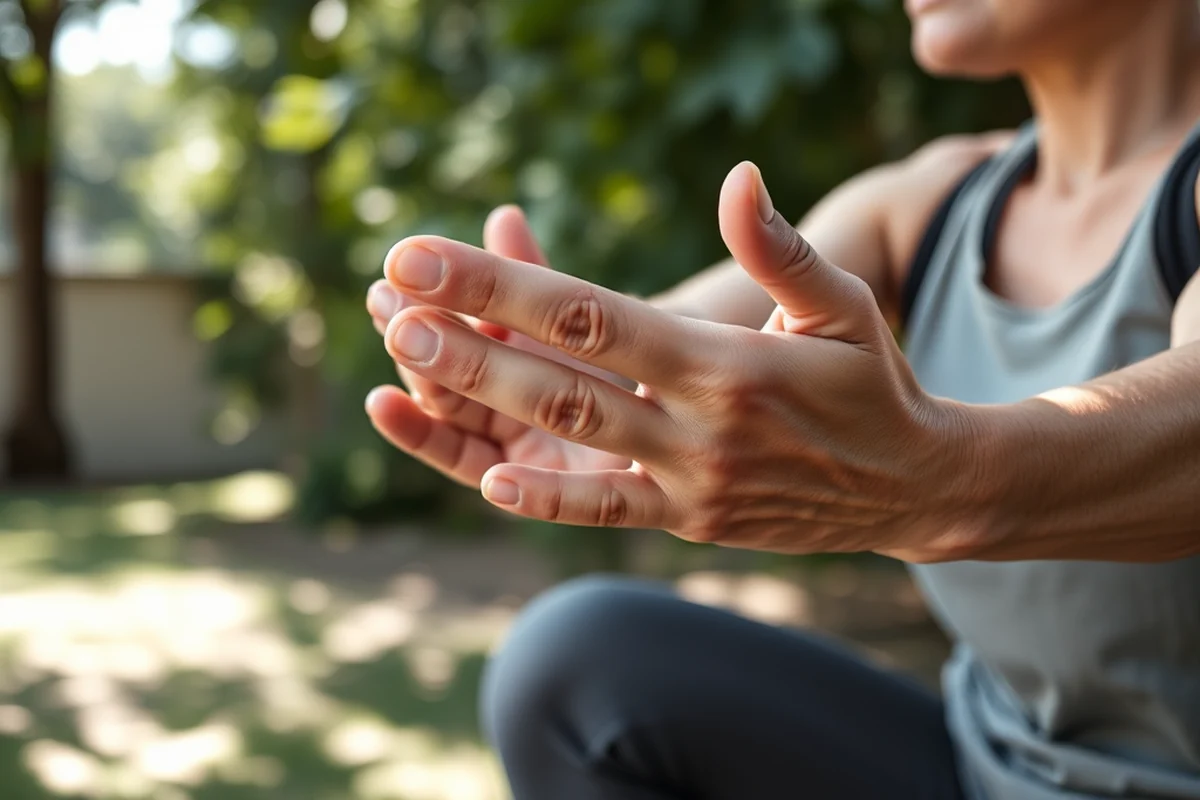
The American College of Sports Medicine recommends that seniors get at least 150 minutes of moderate-intensity cardio per week, which can be broken into sessions as short as 10 minutes each. That might sound like a lot, but once you break it down, it becomes more manageable. I’ve found that doing 30 minutes of walking five days a week fits well into my schedule and feels sustainable.[2]
I used to think that 150 minutes was a lot. When I started tracking my activity with a pedometer, I realized that I was already doing a good chunk of it without even realizing it. Taking the stairs, walking to the grocery store, and even doing a few minutes of stretching in the morning can all count toward that total.
It’s also important to note that seniors with chronic conditions or mobility issues might need to adjust these recommendations. A physical therapist can help tailor a plan that fits your unique needs and abilities. Always listen to your body — it will tell you when to push and when to rest.
Consistency beats intensity when it comes to senior cardio.
Related: Best cardio routines
The Benefits of a Regular Cardio Routine
One of the most surprising things about getting into a regular cardio routine is how much it can improve your mobility. I used to have trouble getting up from a chair or walking up a flight of stairs without feeling winded. After a few months of consistent movement, I noticed that my breathing had become easier and my legs felt stronger.
I’ve also noticed that my joint pain has lessened. I used to worry that walking too much would make my knees ache, but I’ve found that the right amount of movement actually helps keep my joints lubricated and less stiff. It’s like the old saying — use it or lose it.
Another benefit I’ve noticed is that I’ve become more aware of my body’s signals. I used to push through pain or fatigue, but now I know when to slow down and when to move a little more. This awareness has made my overall health much easier to manage.
If you feel pain, fatigue, or dizziness during a workout, slow down or stop. Overexertion can be harmful, especially for seniors with chronic conditions.
“I still remember the first time I walked into a community center for a group exercise class.”— Knee Friendly Cardio Routines editors
Related: Aerobic exercises for seniors
How to Choose the Right Cardio Activity

When I first started looking into cardio for seniors, I was overwhelmed by the options — from swimming to walking to cycling. But I quickly realized that the best way to stick with it is to pick something I actually enjoy. I found that walking was the easiest for me to start with, and I’ve since added in some light cycling and swimming.
I’ve learned that it’s not about finding the perfect activity — it’s about finding one that works for you. Some seniors love walking, others prefer swimming or dancing. The key is to find what feels good and to do it regularly.
I’ve also found that mixing up my activities keeps things interesting. Sometimes I’ll walk in the morning and cycle in the afternoon, and other times I’ll do a gentle yoga session. This variety helps prevent boredom and keeps me moving in different ways.
Related: Cardio exercises for seniors
How to Measure Your Progress
I used to think that tracking progress was only for athletes, but I’ve come to see it as a valuable tool for seniors too. I started using a pedometer to track my daily steps, and it gave me a clear sense of how much I was moving each day. I also use a heart rate monitor to make sure I’m not overexerting myself.
I’ve found that paying attention to how I feel each day is just as important. If I feel more energized or notice that my joints are less stiff, I know I’m on the right track. I’ve also kept a journal where I note my mood, energy levels, and any changes in how my body feels.
Tracking your progress doesn’t have to be complicated. Even something as simple as noting how far you walked or how many times you got up from a chair without help can be a great indicator of improvement. The key is to be consistent and to look for small, positive changes over time.
Related: Cardio exercises for at home
How to Stay Motivated
Staying motivated as a senior can be challenging, especially when you’re starting a new routine. I’ve found that having a friend or family member join me helps keep me accountable and makes the workouts more enjoyable. We often go on walks together, and it’s become a bonding experience.
I’ve also set small goals for myself, like walking 10,000 steps a day or completing a 30-minute walk five days a week. When I hit these goals, I reward myself with something small — like a favorite snack or a new book. These little rewards help keep me on track.
Celebrating progress is also important. I’ve learned that even small wins, like being able to climb a flight of stairs without stopping or feeling more energetic in the morning, are worth acknowledging. These moments remind me that I’m making a difference in my health and well-being.
Small steps lead to big changes — celebrate them.
Related: Cardio exercises easy on legs
How to Avoid Injury
One of the most important things I’ve learned is that warming up before a workout is essential, especially for seniors. I used to skip the warm-up, but now I take 5 to 10 minutes to do light stretches or a slow walk before getting into my main activity. This helps prepare my muscles and joints for the movement ahead.
I’ve also made a point to use proper form during my workouts. For example, when I walk, I make sure to keep my posture upright and my shoulders relaxed. I’ve read that poor form can lead to strain or injury, and I’ve made it a point to be mindful of my body’s alignment.
If I have any concerns about my health or movement, I always consult with a healthcare professional. They can provide guidance on the best activities for my body and help me avoid any potential injuries. It’s important to listen to your body and not push through pain or discomfort.
🚶 Beginner Routine
Start with 10-minute walks three times a week, gradually increasing to 30 minutes five times a week.
🏊 Budget-Friendly Routine
Swim laps at a local community pool two to three times a week — often free or low-cost for seniors.
🚴 Fastest Results Routine
Cycle at a moderate pace for 20 minutes three times a week — quick and effective for heart health.
🏃 Advanced Routine
Incorporate light jogging or brisk walking for 30 minutes five times a week — ideal for seniors with strong endurance.
🧘 Maintenance Routine
Combine gentle yoga with a daily walk — perfect for sustaining long-term cardio and flexibility.
| The mistake | Why it happens | The fix |
|---|---|---|
| Skipping the warm-up | Warming up is essential to prepare the body for activity and reduce the risk of injury. | Always spend 5 to 10 minutes doing light stretches or a slow walk before each workout. |
| Overexerting the body | Pushing too hard too quickly can lead to injury or burnout, especially for seniors. | Start slowly, listen to your body, and gradually increase the intensity and duration of your workouts. |
| Ignoring pain or discomfort | Pain is a signal that something is wrong — ignoring it can lead to more serious injuries. | Stop immediately if you feel pain and consult with a healthcare professional to address the issue. |
| Not varying the type of cardio | Doing the same activity every day can lead to boredom and may not provide the full range of benefits. | Mix up your activities — try walking, swimming, cycling, or yoga to keep things interesting and engaging. |
How Much Cardio Per Week For Seniors
Common Questions
Can seniors with chronic conditions do cardio?
Is walking enough for seniors?
How long should each cardio session be for seniors?
Can seniors do vigorous cardio?
References
- Inspiring Seniors Towards Exercise Promotion to Protect Cognition (clinicaltrials.gov)
- Increasing Student Physical Fitness Through Increased Choice of ... (files.eric.ed.gov)
Cite this guide
Knee Friendly Cardio Routines (2026). How Much Cardio Per Week For Seniors. https://mildwalk.com/how-much-cardio-per-week-for-seniors/
Feel free to cite or share this guide.
Knee-Friendly Cardio Week
A 7-day low-impact cardio schedule with intervals.
Open it free →