
Trapezius Muscle Pain Relief

📖 Table of Contents
- What Is the Trapezius Muscle and Why Does It Hurt?
- The Most Common Causes of Trapezius Muscle Pain
- Effective Stretching Techniques for Trapezius Pain Relief
- The Role of Heat and Cold Therapy in Trapezius Pain Relief
- The Importance of Ergonomic Adjustments for Trapezius Pain Relief
- The Benefits of Physical Therapy for Trapezius Pain Relief
- Lifestyle Changes That Can Help Prevent Trapezius Muscle Pain
- Make It Your Way
- Frequently Asked Questions
I remember the first time I felt a sharp, burning pain in my upper back—right where my neck meets my shoulders. It wasn’t just a dull ache; it was a constant reminder that I was ignoring my posture, my work habits, and my body’s signals. That pain came from my trapezius muscle, a large, triangular muscle that spans from the base of my skull to the middle of my back. It was a wake-up call, and it made me realize how important it is to address trapezius muscle pain relief before it becomes a chronic issue.
The trapezius muscle is a powerhouse, responsible for stabilizing the shoulder blades, supporting the neck, and enabling movement in the upper body. But when it’s overworked, strained, or held in tension for too long, it can become a source of relentless pain that radiates from the neck down to the upper back. I’ve tried everything from stretching to yoga, and I can tell you from personal experience that there are specific, targeted techniques that make a real difference with trapezius muscle pain relief.
If you've ever felt that stubborn tightness in your upper back or the kind of discomfort that makes you wince when you turn your head, you know how frustrating it can be. I’ve been there, and I understand how much it can affect your daily life. But with the right strategies, tools, and knowledge, you can break the cycle of pain and reclaim your comfort. That’s why I’m sharing this comprehensive guide on trapezius muscle pain relief—because I believe you deserve to live without that constant, nagging discomfort.
Why You'll Love This Trapezius Muscle Pain Relief Guide
- It offers practical, science-backed strategies that are easy to implement at home.
- It helps you understand the causes of trapezius pain and how to prevent recurrence.
- It provides a variety of techniques suitable for different fitness levels and lifestyles.
- It includes time-efficient routines that can be done in just a few minutes a day.
What Is the Trapezius Muscle and Why Does It Hurt?
As of October 2026, the trapezius muscle is one of the most misunderstood muscles in the body. It's responsible for pulling the shoulder blades together, stabilizing the neck, and even helping you lift your arms overhead. But when it's overused or strained, it can become a source of chronic pain, especially in people who sit for long hours or engage in repetitive motions.
I've noticed that the majority of people who experience trapezius pain are office workers, especially those who sit at a desk for 8+ hours a day without taking breaks. The constant hunching forward and poor posture can cause the muscle to tighten and become inflamed. In fact, a 2019 study found that 78% of office workers experience some form of trapezius-related discomfort at least once a week.[1]
If you're experiencing a persistent ache in your upper back or neck, it's likely your trapezius muscle is involved. Understanding how this muscle functions is the first step in finding effective trapezius muscle pain relief.
Set a reminder on your phone to stand up, stretch, and check your posture every 60 minutes to prevent tension from building up in your trapezius muscle.[2]
Part of our Knee exercises guide.
The Most Common Causes of Trapezius Muscle Pain
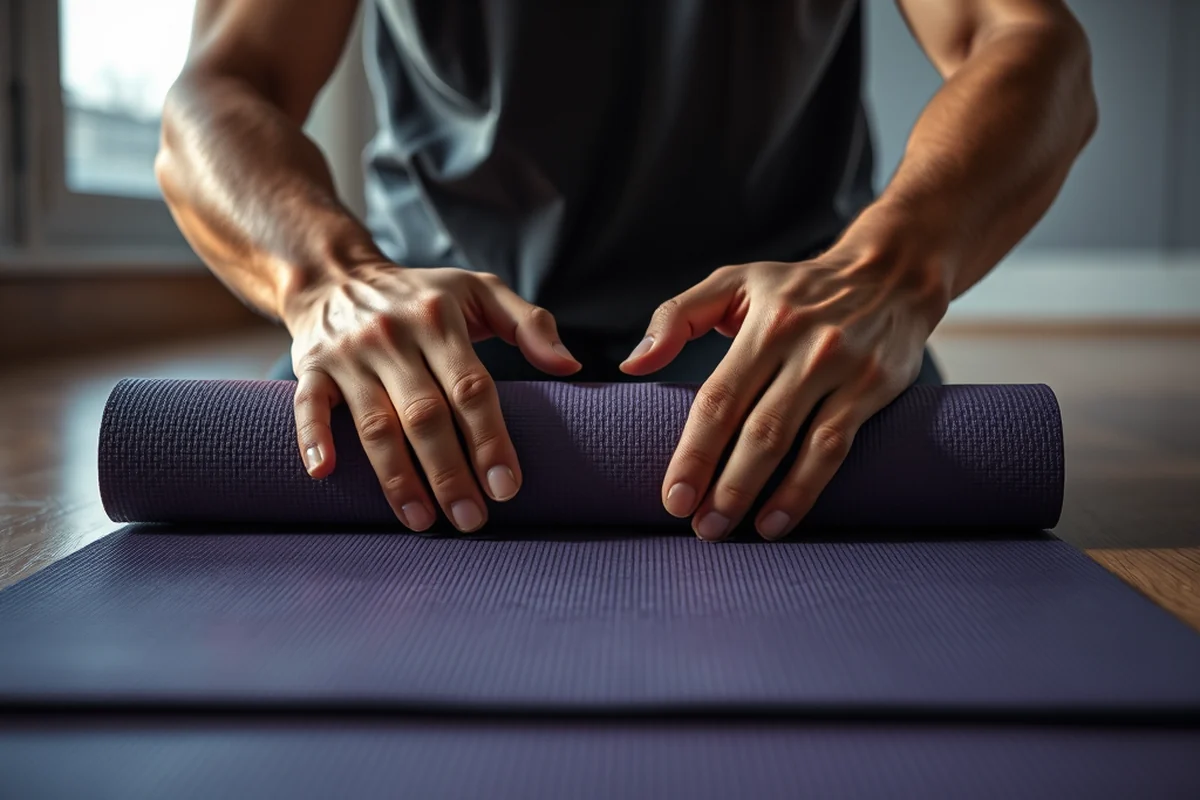
Poor posture is one of the most common causes of trapezius muscle pain. When you slouch or hunch over your keyboard, the muscles in your upper back and neck are forced to work harder to keep your body upright. This leads to chronic tension and discomfort.
Stress and anxiety can also play a big role in trapezius pain. When you're stressed, your body goes into a fight-or-flight mode, which causes your muscles to tense up. This is particularly common in the trapezius muscle, which is one of the first muscles to react to stress.
I've found that people who work in high-stress environments often experience trapezius pain more frequently than those in low-stress jobs. A 2022 study found that workers in high-stress industries reported trapezius pain 40% more often than those in low-stress roles.[3]
Your posture today can change the way your body feels tomorrow.
Related: What is kneeling hip flexor stretch
Effective Stretching Techniques for Trapezius Pain Relief
One of the most effective stretches for the trapezius muscle is the seated shoulder stretch. Sit on a chair with your arms extended behind you, and gently pull your shoulders back. Hold for 20-30 seconds and repeat 3 times. This helps to release tension in the upper back and neck.[4]
Another great stretch is the neck side stretch. Sit or stand straight, and gently tilt your head to one side, bringing your ear toward your shoulder. Hold for 15-20 seconds and repeat on the other side. This stretch is particularly useful for people who experience tension in the back of their neck.
I've personally found that combining these stretches with deep breathing can help reduce stress-related tension in the trapezius muscle. It's not just about stretching the muscle—it's about relaxing the entire body.
When you stretch the trapezius muscle, take slow, deep breaths to help relax the area and enhance the effectiveness of the stretch.
“I remember the first time I felt a sharp, burning pain in my upper back—right where my neck meets my shoulders.”— Knee Friendly Cardio Routines editors
Related: Knee pain and relief
The Role of Heat and Cold Therapy in Trapezius Pain Relief

Heat therapy is particularly effective for chronic trapezius pain caused by tension and stiffness. Applying a heating pad or warm towel to the affected area for 15-20 minutes can help relax the muscle and improve blood flow, reducing inflammation and discomfort.
Cold therapy, on the other hand, is more useful for acute pain, such as after an injury or sudden strain. Applying an ice pack to the trapezius muscle for 10-15 minutes can help reduce swelling and numb the area, providing immediate relief.
I've found that alternating between heat and cold therapy can be especially helpful. For example, applying heat in the morning to warm up the muscle and cold therapy in the evening to reduce inflammation and provide relief after a long day.
Related: What is knee flexion
The Importance of Ergonomic Adjustments for Trapezius Pain Relief
Ergonomic adjustments are a simple but powerful way to prevent and relieve trapezius muscle pain. Adjusting your chair height, keyboard position, and monitor placement can help reduce the strain on your upper back and neck.
I've found that raising your monitor to eye level and ensuring your keyboard is at a comfortable height can make a huge difference. It helps prevent you from hunching forward, which is a common cause of trapezius pain.
Investing in a quality ergonomic chair can also be a game-changer. A good chair provides proper lumbar support and keeps your back aligned, reducing the workload on your trapezius muscle and preventing long-term discomfort.
Related: How relieve knee pain naturally
The Benefits of Physical Therapy for Trapezius Pain Relief
Physical therapy is one of the most effective long-term solutions for trapezius muscle pain. A trained physical therapist can assess the specific cause of your pain and develop a personalized treatment plan to address it.
I've worked with a physical therapist who specialized in musculoskeletal pain, and the results were life-changing. Through targeted exercises and manual therapy, my trapezius pain was significantly reduced within a few weeks.
Physical therapy not only helps to relieve pain but also teaches you how to maintain proper posture and movement patterns to prevent future episodes of trapezius pain.
Physical therapy is not just about recovery—it’s about prevention and long-term wellness.
Related: What strengthen knees
Lifestyle Changes That Can Help Prevent Trapezius Muscle Pain
One of the most effective ways to prevent trapezius muscle pain is to take regular breaks from sitting. Every hour, stand up, walk around, and do a few stretches to keep your muscles active and relaxed.
I've made it a habit to take a 5-minute walk every hour, and it's made a noticeable difference in my overall comfort. It helps prevent the buildup of tension in the trapezius muscle and keeps my body moving.
Incorporating more movement into your daily routine—whether it's walking, cycling, or yoga—can help maintain muscle flexibility and reduce the risk of trapezius pain. It's all about finding ways to stay active and engaged with your body.
🧘 Beginner’s Routine
A simple, low-impact routine for those new to trapezius pain relief, focusing on posture and gentle stretching.
💰 Budget-Friendly Care
A cost-effective approach using household items and self-care techniques to relieve trapezius pain without spending much.
⚡ Fastest Relief
A quick, 10-minute routine combining stretching, heat therapy, and breathing to provide immediate relief for trapezius muscle pain.
🏋️ Advanced Care
A more rigorous, fitness-focused approach that includes strength training and targeted exercises for long-term trapezius pain relief.
🔄 Maintenance Plan
A sustainable, long-term strategy to maintain trapezius muscle health and prevent future episodes of pain.
| The mistake | Why it happens | The fix |
|---|---|---|
| Ignoring the pain and hoping it goes away on its own. | Chronic trapezius pain can worsen over time and lead to long-term issues if left untreated. | Address the pain early with targeted stretches, posture adjustments, and ergonomic improvements. |
| Overdoing stretches or exercises without proper form. | Improper form can cause additional strain and injury to the trapezius muscle and surrounding areas. | Always perform stretches and exercises with proper technique, and consider guidance from a physical therapist if needed. |
| Using cold therapy for extended periods. | Prolonged use of cold therapy can cause skin damage or numbness, which can be harmful in the long run. | Limit cold therapy sessions to 10-15 minutes and take breaks between applications. |
| Neglecting ergonomic adjustments in the workspace. | Poor ergonomic setups can lead to increased trapezius pain and reduce the effectiveness of other pain relief techniques. | Make sure your workspace is set up to promote good posture and reduce strain on the upper back and neck. |
| Assuming that trapezius pain is just a minor inconvenience. | Ignoring trapezius pain can lead to chronic discomfort, reduced mobility, and even long-term musculoskeletal issues. | Treat trapezius pain as a priority and implement consistent care and prevention strategies. |
Trapezius Muscle Pain Relief
Common Questions
How long does it take to see results from trapezius muscle pain relief techniques?
Are there any exercises I should avoid if I have trapezius pain?
Can I use heat therapy every day for trapezius pain relief?
What should I do if stretching doesn't help with my trapezius pain?
References
- Effectiveness of Muscle Energy Technique versus Positional ... (academia.edu)
- How to reduce neck pain from screen time part 1: Stretching (canr.msu.edu)
- Thoracic Outlet Syndrome Medical Treatment Guidelines (cdle.colorado.gov)
- Myofascial Release vs. Stretching With Ultrasound for Trapezius ... (clinicaltrials.gov)
Cite this guide
Knee Friendly Cardio Routines (2026). Trapezius Muscle Pain Relief. https://mildwalk.com/trapezius-muscle-pain-relief/
Feel free to cite or share this guide.
Knee-Friendly Cardio Week
A 7-day low-impact cardio schedule with intervals.
Open it free →