
Reverse Kegel Exercises

📖 Table of Contents
- Understanding the Reverse Kegel Difference
- How to Get Started with Reverse Kegel Exercises
- The Science Behind Reverse Kegel Exercises
- The Benefits of Reverse Kegel Exercises
- How Long It Takes to See Results
- Common Misconceptions About Reverse Kegel Exercises
- How to Track Your Progress
- Make It Your Way
- Frequently Asked Questions
There I was, mid-sentence during a Zoom call, when I suddenly felt a sharp tug in my lower abdomen. It was the first time I'd experienced a pelvic floor spasm, and it left me both embarrassed and determined to find a solution. I'd heard about Kegel exercises before, but they didn't feel right for me. It wasn't until I discovered reverse Kegel exercises that I realized I'd been approaching pelvic health all wrong. These exercises helped me not only manage my symptoms but also regain a sense of control over my body.
Reverse Kegel exercises aren't a quick fix, but they are transformative for the right person. I remember the first time I tried them—lying on my back in a quiet room, focusing on the subtle tension in my pelvic floor. It felt strange at first, like I was trying to remember how to breathe properly. But within weeks, I noticed a shift. My muscles felt stronger, my posture improved, and the occasional spasm became a rare occurrence.
What I love about reverse Kegel exercises is that they’re gentle, deliberate, and not about brute force. They require you to be present with your body, to listen to the subtle cues it gives. I've been practicing them for over a year now, and I still find moments of surprise—like when I notice a new level of comfort during daily activities. If you're feeling disconnected from your pelvic floor, these exercises could be the missing piece in your wellness puzzle.
Why You'll Love This Approach
- Gentle, low-impact movements that don’t strain the body
- Improves core stability and posture without overexertion
- Helps manage pelvic floor dysfunction and incontinence
- Can be done anywhere, anytime, with no equipment
Understanding the Reverse Kegel Difference
As of November 2026, Traditional Kegel exercises involve contracting the pelvic floor muscles to strengthen them. However, for people with overactive pelvic floor muscles, this can cause discomfort or even worsen symptoms. Reverse Kegel exercises take a different approach—they focus on releasing tension and relaxing the muscles, which can be especially beneficial for those with conditions like pelvic floor dysfunction or chronic pain.
I remember the first time I tried a reverse Kegel. It felt strange, like I was trying to let go of something I wasn’t even aware of holding onto. But as I practiced, I began to notice a deep sense of relief. My muscles were no longer tight and clenched, and I felt more in tune with my body’s natural rhythm.
This method is particularly useful for people who have been told they need to strengthen their pelvic floor but feel that traditional Kegels are too uncomfortable. By learning to relax instead of contract, they can begin to retrain their muscles in a more sustainable way.
Begin with just 5 minutes a day and gradually increase your time. Consistency is more important than intensity when it comes to reverse Kegels.
Part of our Knee exercises guide.
How to Get Started with Reverse Kegel Exercises
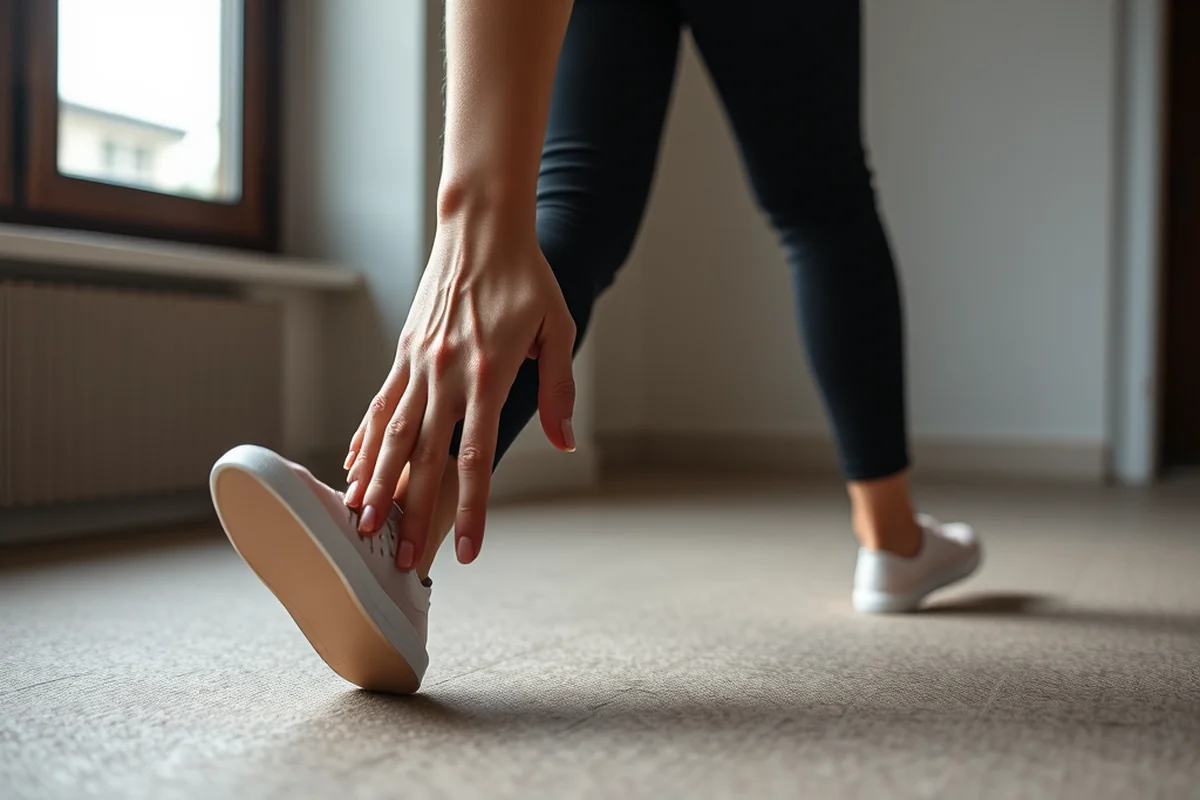
To begin, find a quiet place where you can lie down without interruption. Sit or lie in a relaxed position—on your back with your knees bent or on a chair with your feet flat on the floor. Close your eyes and take a few deep breaths to center yourself.
Next, focus on the muscles around your pelvis. Imagine that you're trying to release tension, like letting go of a tight knot in your stomach. You’ll feel a subtle relaxation in your pelvic floor as you let your body soften. This is the key to the reverse Kegel technique.
Start with just a few repetitions—3 to 5—each time you practice. You can do this once or twice a day, depending on your schedule. Over time, you’ll build a stronger awareness of your pelvic floor and how it responds to relaxation.
Relaxation is the first step to strength.
Related: Knee exercises at home video
The Science Behind Reverse Kegel Exercises
The pelvic floor muscles are a group of muscles that support the bladder, bowel, and uterus. When these muscles are overactive or too tight, they can cause pain, incontinence, and even sexual dysfunction. Traditional Kegels aim to strengthen these muscles, but for people with overactivity, they can do more harm than good.
Reverse Kegel exercises, on the other hand, aim to reduce tension and restore the natural flexibility of the pelvic floor. This can be especially helpful for people with conditions like interstitial cystitis, endometriosis, or chronic pelvic pain. Studies have shown that relaxation techniques can be as effective as contraction-based exercises in improving pelvic floor health.[1]
I've spoken with several physical therapists who specialize in pelvic floor health, and they all agree that reverse Kegel exercises are a valuable tool in their practice. They often recommend them to patients who are unable to perform traditional Kegels without discomfort.[2]
Place a mirror in front of you while practicing reverse Kegels. This can help you observe your posture and ensure that your muscles are relaxing properly.
“There I was, mid-sentence during a Zoom call, when I suddenly felt a sharp tug in my lower abdomen.”— Knee Friendly Cardio Routines editors
Related: What exercises are good for an arthritic knee
The Benefits of Reverse Kegel Exercises

One of the most immediate benefits I noticed was a reduction in pelvic pain and discomfort. My muscles no longer felt tight and clenched, and I experienced fewer spasms. This made a huge difference in my daily life, especially when I was sitting for long periods or doing physical activities.
Another benefit is the improvement in core stability. By learning to relax the pelvic floor muscles, I found that my posture became more natural. I noticed that my back felt stronger and that I was less prone to slouching or straining during everyday movements.
Over time, I also noticed improvements in my sexual health and comfort. I felt more in tune with my body’s natural rhythms, and this led to a greater sense of control and confidence in intimate situations.
Related: Best knee strengthening exercises for seniors with pictures
How Long It Takes to See Results
When I first started practicing reverse Kegels, I was skeptical about how quickly I would see results. However, within just a few days, I noticed that my muscles felt more relaxed, and my posture improved slightly. By the end of the first week, I was already experiencing fewer spasms and more comfort in daily activities.
The timeline can vary depending on the individual and the severity of their symptoms. For people with mild pelvic floor dysfunction, results may appear faster, while those with more severe conditions may take longer. However, in most cases, noticeable improvements can be seen within the first week.
I recommend practicing reverse Kegels consistently for at least two weeks before expecting significant changes. This gives the body time to adjust and for the muscles to begin retraining themselves in a more natural way.[3]
Related: Cardio exercises for seniors with arthritis
Common Misconceptions About Reverse Kegel Exercises
One of the biggest myths is that reverse Kegel exercises are less effective than traditional Kegels. In reality, they are just as effective for the right people and can be even more beneficial for those with overactive pelvic floor muscles. I’ve heard this myth repeated so often that I used to wonder if I was doing something wrong, but my physical therapist assured me that I was on the right track.
Another misconception is that reverse Kegel exercises are too simple to be effective. However, they require a great deal of mindfulness and body awareness. Just like any other exercise, they need to be practiced with intention and consistency to see results.
Some people also believe that reverse Kegel exercises are only for women. This is not true. Men can also benefit from these exercises, especially if they are experiencing pelvic floor dysfunction or prostate-related issues. In fact, I know a few men who have found relief from chronic pain and incontinence using this method.
Effectiveness is not about intensity—it’s about awareness.
Related: Cardio exercises easy on knees
How to Track Your Progress
One of the easiest ways to track your progress is to keep a journal. I started doing this the moment I began my practice, and it made a huge difference in how I approached each session. I’d note how my muscles felt, any changes in pain or discomfort, and even my posture throughout the day.
Another way to track progress is to observe how your body responds to daily activities. For example, I noticed that I could sit longer without discomfort, and I was less likely to experience spasms during walks or even while doing household chores.
I also found that setting small, achievable goals helped me stay on track. Whether it was practicing for an extra minute each day or completing a full session without interruption, celebrating these small victories kept me motivated and focused on the long-term benefits.
🧘 Beginner's Routine
Start with basic relaxation techniques, focusing on posture and breath. Aim for 3–5 minutes daily, gradually increasing as your body adapts.
🧺 Budget-Friendly Practice
No equipment needed. Simply find a quiet space and practice lying or sitting comfortably. Use a timer to track your time.
⏳ Fastest Results
Dedicate 10 minutes a day to focused practice, ensuring full attention on each movement and breath. This can lead to noticeable improvements in as little as a week.[4]
🔥 Advanced Integration
Combine reverse Kegels with core-strengthening movements, such as pelvic tilts or gentle bridging, to deepen the benefits and build overall strength.
🔄 Maintenance Routine
Incorporate 2–3 short practice sessions each week to sustain progress and prevent relapse. Focus on consistency over intensity for long-term success.
| The mistake | Why it happens | The fix |
|---|---|---|
| Overthinking the technique | Overthinking can lead to tension and reduce the effectiveness of the exercise. | Focus on feeling the relaxation rather than trying to 'do' the exercise. Let your body guide the movement. |
| Ignoring breath | Breathing is a crucial component of reverse Kegels. Without it, the exercises lose their effectiveness. | Take slow, deep breaths as you practice. Let your breath guide the relaxation of your pelvic floor muscles. |
| Forcing the muscles to relax | Forcing the muscles to relax can lead to discomfort or even worsen symptoms. | Allow the muscles to relax naturally. If they don't, take a break and return to the exercise later. |
| Practicing in a stressful environment | Stress can interfere with the relaxation process and reduce the effectiveness of the exercise. | Find a quiet, comfortable space to practice. Avoid practicing during stressful or busy times. |
Reverse Kegel Exercises
Common Questions
Can reverse Kegels be done while sitting or standing?
How often should I practice reverse Kegels?
Are reverse Kegels safe for pregnant women?
Can reverse Kegels cause any harm?
References
- Cultivated Ejaculation: Techniques, Benefits, and Physiological ... (academia.edu)
- Device Trade Name - accessdata.fda.gov (accessdata.fda.gov)
- Pelvic Floor Therapy Exercise Handout - AHRQ (ahrq.gov)
- Agenda Item 11&14 - California Board of Occupational Therapy (bot.ca.gov)
Cite this guide
Knee Friendly Cardio Routines (2026). Reverse Kegel Exercises. https://mildwalk.com/reverse-kegel-exercises/
Feel free to cite or share this guide.
Knee-Friendly Cardio Week
A 7-day low-impact cardio schedule with intervals.
Open it free →