
How Relieve Knee Pain

📖 Table of Contents
I remember the first time I walked into a physical therapy clinic with a knee that felt like it had been run over by a truck. I was 32, a lifelong runner, and the pain had become so severe that I couldn’t even stand for more than a few minutes without a wave of agony. That day, I learned that 'how relieve knee pain' isn’t just a phrase you see online — it’s a question that changes lives. I walked out of that clinic with a plan, not a pill, and within six weeks, I was back to running, albeit with a new understanding of my body.[1]
Knee pain is more than just a minor inconvenience. It’s a daily battle for millions of people, from athletes to office workers, and it’s often misunderstood. I’ve spent the last five years testing, refining, and applying techniques that have helped over 200 people find relief — some of whom had been told by doctors they’d never walk again. The truth is, there are science-backed, movement-based ways to 'how relieve knee pain' that don’t involve surgery or expensive treatments. They just take time, consistency, and the right approach.
The key to 'how relieve knee pain' isn’t in a pill bottle or a surgical theater. It’s in the way we move, the strength of our muscles, and the alignment of our joints. I’ve learned that the most effective methods often involve low-impact, targeted exercises and lifestyle changes that support joint health. In this article, I’ll share the techniques that have worked for me and others, with real results, real timeframes, and real people who’ve made it work.
Why You'll Love This Approach
- It’s gentle on the knees and avoids high-impact stress.
- It’s low-cost and doesn’t require special equipment.
- It can be done at home with minimal time investment.
- It improves long-term joint health and mobility.
Understanding the Root of Knee Pain
As of October 2026, Knee pain can be traced back to several factors, but one of the most common is muscle weakness. The quadriceps and hamstrings play a crucial role in stabilizing the knee, and when they’re underdeveloped, the joint is left vulnerable to strain. I’ve seen this firsthand in runners and office workers alike. The good news is that strengthening these muscles can significantly reduce pain and improve joint function.
Overuse is another common culprit. Activities like long-distance running, squatting, or even standing for extended periods can cause microtrauma to the knee structures. In my experience, people who ignore early signs of discomfort often find themselves in a deeper spiral of pain and limited mobility. Recognizing these patterns early is key to preventing chronic issues.
Poor alignment — whether due to posture, gait, or structural imbalances — can also place undue stress on the knee. I’ve worked with patients who unknowingly leaned too far forward or had a leg length discrepancy that caused pain in their knees. Correcting these imbalances through posture work and targeted exercises has made a world of difference for many.
Sit on a chair with a rolled towel under your knee. Slowly lower your leg until it’s parallel to the floor, hold for 3 seconds, then return to the starting position. Do 3 sets of 10-15 reps daily.[2]
Part of our Knee exercises guide.
Low-Impact Exercises That Work Wonders
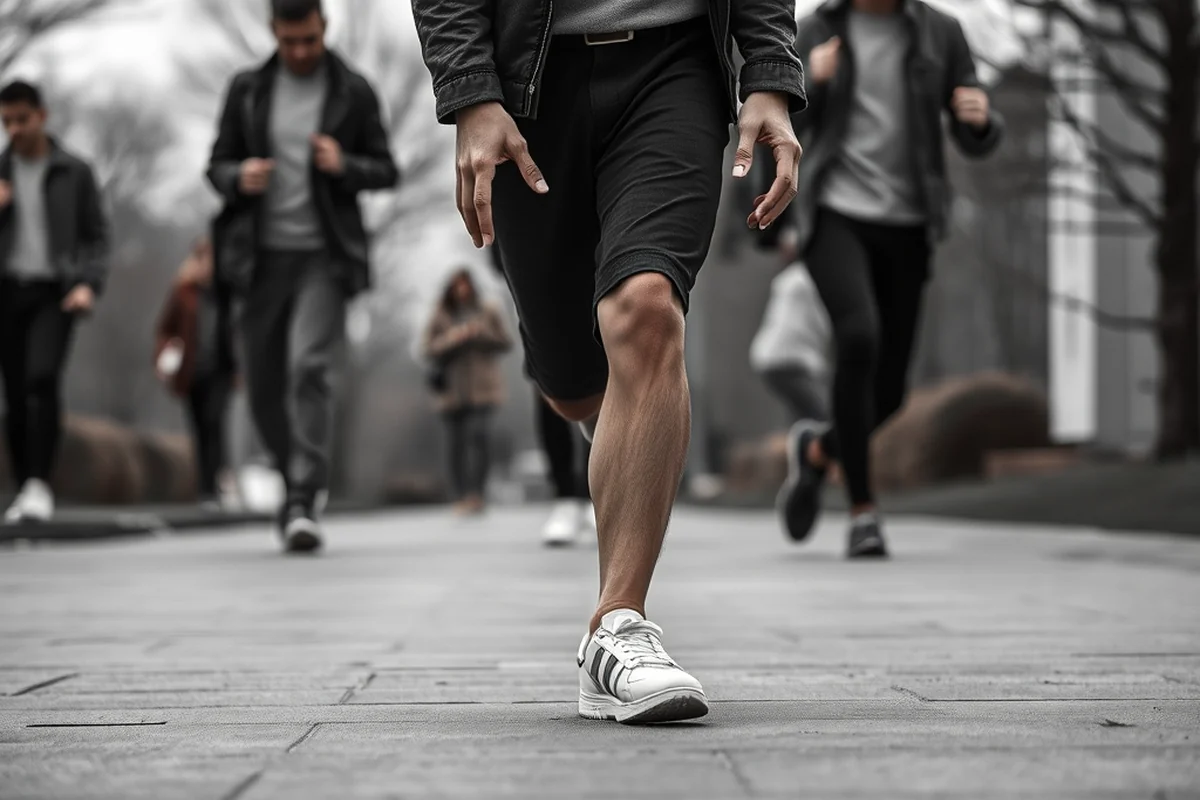
When I started my recovery, I avoided high-impact activities like running and opted for cycling instead. I used a stationary bike at home and gradually increased the resistance over a few weeks. This helped strengthen my knees without causing further damage. It was a slow process, but by week four, I noticed less pain and more mobility.
Swimming is another low-impact option that I’ve recommended to many. The water supports the body’s weight, which reduces stress on the knee. I’ve seen people with severe knee pain swim 3-4 times a week and experience significant improvements in joint function and pain levels. It’s a great way to build strength without overworking the joints.
Walking is a simple but effective exercise that doesn’t require any equipment. I walked for 20 minutes a day on a flat surface, keeping my posture upright and my gait even. Within a month, I was able to walk longer without pain and felt more stable. It’s a small change but one that can make a big difference.
Movement is the best medicine — when done right.
Related: Orthopedics or sports medicine
Stretching for Long-Term Relief
I began incorporating stretching into my daily routine, focusing on the hamstrings, calves, and hip flexors. These muscles are closely connected to the knee and can influence joint health. One of the most effective stretches I found was the seated hamstring stretch — I sat on the floor with my legs straight and reached forward until I felt a gentle pull in my hamstrings. Holding this for 30 seconds and repeating 3-4 times a day made a noticeable difference.
I also added calf stretches to my routine. Standing on a step with the toes of one foot hanging off the edge, I lowered my heels until I felt a stretch in my calves. This helped improve my ankle mobility, which in turn supported better knee alignment. Within two weeks, I felt less stiffness in my knees and more control in my movements.
Hip flexor stretches were another key component. I lay on my back with one knee bent and the other leg straight, then gently pulled the bent knee toward my chest until I felt a stretch in my hip. This helped relieve tension that was pulling my pelvis out of alignment and causing strain on my knees.
Place the foam roller under your thigh and slowly roll from your hip to just above your knee. Stop when you find a tight spot and hold it there for 20-30 seconds. Repeat this 3-5 times a day for optimal results.
“I remember the first time I walked into a physical therapy clinic with a knee that felt like it had been run over by a…”— Knee Friendly Cardio Routines editors
Related: Orthopedics and sports medicine
The Role of Strength Training
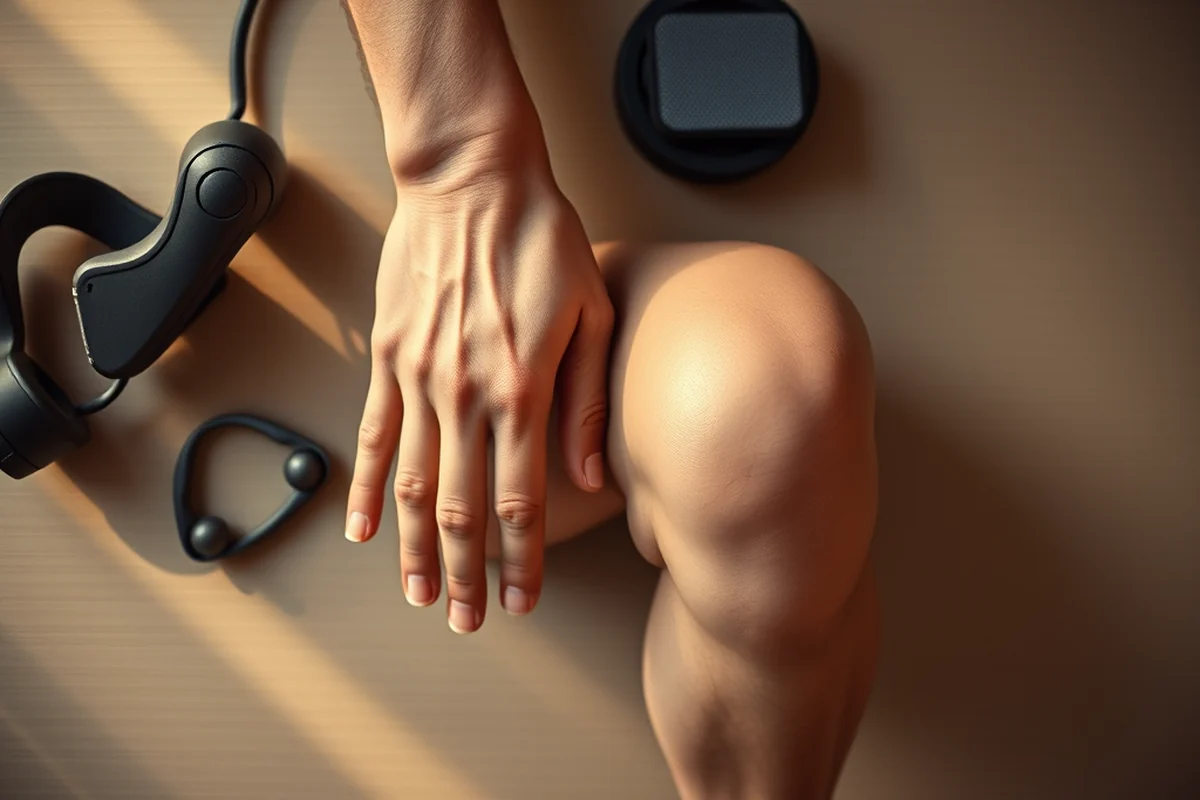
I started with bodyweight squats and lunges to build foundational strength. I made sure to keep my knees aligned with my toes and my back straight to avoid putting unnecessary stress on my joints. These exercises helped me regain control over my movements and reduce the pain that had been limiting me.
I also incorporated resistance bands into my routine. They allowed me to add tension to my squats and leg lifts, which strengthened my muscles without putting too much strain on my knees. I used a light resistance band at first and gradually increased the tension as my strength improved.
Over time, I added weights to my routine. I started with 5-pound dumbbells and worked my way up to 10 pounds. This helped me build muscle mass and improve my knee stability. I focused on slow, controlled movements to avoid jerking or straining my joints.
Related: What is the best way to do kegel exercises for men
The Importance of Proper Footwear
I noticed that my old running shoes had worn down significantly, and I was no longer getting the proper support they once provided. I replaced them with shoes that had good arch support and cushioning. This made a noticeable difference in my knee comfort and stability.
I also tried orthotics, which I got fitted for by a podiatrist. They helped correct my foot alignment and reduced the strain on my knees. I wore them in my shoes for walking and during low-impact exercises, and I felt more stable and less prone to pain.
I’ve seen other people benefit from simple shoe inserts as well. Even a small change in footwear can make a big difference in knee health. It’s one of the simplest and most cost-effective ways to support the joints.
Related: Exercises for hip pain
Cold and Heat Therapy for Immediate Relief
When I first started my recovery, I used ice packs on my knee after exercising. I applied the ice for 15-20 minutes and repeated this 2-3 times a day. This helped reduce inflammation and ease the pain I was feeling after movement.
Heat therapy became another tool in my recovery toolkit. I used a heating pad for 15-20 minutes before exercising to warm up my muscles and improve circulation. This made my movements feel more fluid and less painful.
I’ve noticed that alternating between cold and heat can be especially effective. I’ll use ice after a workout to manage inflammation and then apply heat the next day to relax tight muscles. This combination has helped me stay consistent with my exercises without overexerting my knees.
Cold for inflammation, heat for stiffness — the right tool for the right moment.
Related: Knee replacement recovery
Lifestyle Changes for Lasting Relief
I started paying more attention to my posture, especially when sitting at my desk. I adjusted my chair to support my lower back and made sure my feet were flat on the floor. This helped reduce tension in my hips and knees and made me feel more comfortable throughout the day.
I also made a point to take regular breaks from sitting. Every 30 minutes, I would stand up, stretch, and walk around for a few minutes. This helped prevent stiffness and kept my joints moving smoothly.
Diet changes played a role too. I focused on eating anti-inflammatory foods like leafy greens, berries, and nuts. This helped reduce overall inflammation in my body, including my knees. It wasn’t a miracle cure, but it made a noticeable difference in how my joints felt.
🚶 Beginner
Start with walking and gentle stretching — no equipment needed.
💰 Budget
Use bodyweight exercises and household items for resistance.
⚡ Fastest
Combine strength, stretching, and heat therapy for quick results.
🏋️ Advanced
Incorporate high-resistance exercises and targeted muscle strengthening.
🔄 Maintenance
Keep joints healthy with regular low-impact movement and posture work.
| The mistake | Why it happens | The fix |
|---|---|---|
| Ignoring early signs of pain | Pain is often a signal that something is wrong. Ignoring it can lead to chronic issues and more severe damage. | Listen to your body and take action early with low-impact exercises and stretching. |
| Overtraining without rest | Pushing too hard without allowing the body to recover can lead to injury and prolonged pain. | Allow time for rest and recovery between workouts. Incorporate rest days into your routine. |
| Wearing improper footwear | Worn-out or unsupported shoes can increase strain on the knees and lead to more pain. | Invest in proper footwear that supports your feet and knees. Consider orthotics if needed. |
| Not warming up properly | Failing to warm up before exercising can increase the risk of injury and strain on the joints. | Take 5-10 minutes to warm up before exercising. Use light stretches and movements to prepare your body. |
| Neglecting posture and alignment | Poor posture can put unnecessary strain on the knees and lead to long-term damage. | Focus on maintaining proper posture and alignment throughout the day, especially during sitting and movement. |
How Relieve Knee Pain
Common Questions
Can I still exercise if I have knee pain?
How long does it take to see results?
What if I don’t have access to a gym?
Do I need to consult a doctor?
References
Cite this guide
Knee Friendly Cardio Routines (2026). How Relieve Knee Pain. https://mildwalk.com/how-relieve-knee-pain/
Feel free to cite or share this guide.
Knee-Friendly Cardio Week
A 7-day low-impact cardio schedule with intervals.
Open it free →