
Exercise Is Medicine
📖 Table of Contents
- The Science Behind Movement as Medicine
- How to Turn Movement Into a Daily Habit
- Simple Routines That Make a Difference
- The Mental Health Benefits of Movement
- Movement and Longevity: The Evidence
- How to Stay Motivated and Avoid Burnout
- The Role of Community in Movement
- The Economics of Movement: How Exercise Saves Money in the Long Run
- Make It Your Way
- Frequently Asked Questions
I used to think exercise was something I had to do — a chore, not a choice. That changed the day I walked 15 minutes to the store instead of driving. I was out of breath, but I felt something shift in my body and mind. Exercise became medicine, not a punishment. I realized that movement was the key to managing my chronic knee pain, and it wasn't just about fitness; it was about healing.
The first time I walked for 30 minutes without stopping, I noticed a change. My knee, which had been aching for months, felt less swollen. I was sweating, but I was also smiling. That moment was the beginning of something real. Exercise is medicine, and I had been ignoring it for years. Now, I know that every step I take is a step toward better health, and that’s a powerful thing.[1]
I used to avoid the gym because I thought it was for people who could run marathons and lift weights. But I learned that movement doesn’t have to be intense to be effective. Even a 10-minute walk can be medicine if it’s done consistently. I now believe that exercise is the single most powerful tool we have to prevent disease and improve quality of life — and I want to share that with you.[2]
Why You'll Love This Approach to Movement
- It’s low-impact and kind to joints, making it accessible for people with chronic pain or mobility issues.
- It builds strength, flexibility, and endurance without the need for special equipment.
- It fits into your daily routine — no need to spend hours at the gym.
- It has scientifically proven benefits for mental health, sleep, and longevity.
The Science Behind Movement as Medicine
As of October 2026, Research from the American College of Sports Medicine shows that regular physical activity can reduce the risk of heart disease by up to 35%. It also increases the production of endorphins, which are natural painkillers and mood boosters. When I started walking regularly, I noticed that my anxiety levels dropped, and my focus improved dramatically.[3]
A study published in the Journal of Physical Activity and Health found that even moderate-intensity exercise, like brisk walking, can lower blood pressure and improve insulin sensitivity. This is especially important for people with diabetes or prediabetes, who may be at higher risk of complications.
I used to believe that only intense workouts could make a difference, but I was wrong. My knee pain improved with just 20 minutes of daily movement, which is a powerful reminder that consistency trumps intensity with health.
Try moving for just 10 minutes a day. You can walk, do bodyweight squats, or even stretch. Over time, build up to 30 minutes of daily movement.
How to Turn Movement Into a Daily Habit
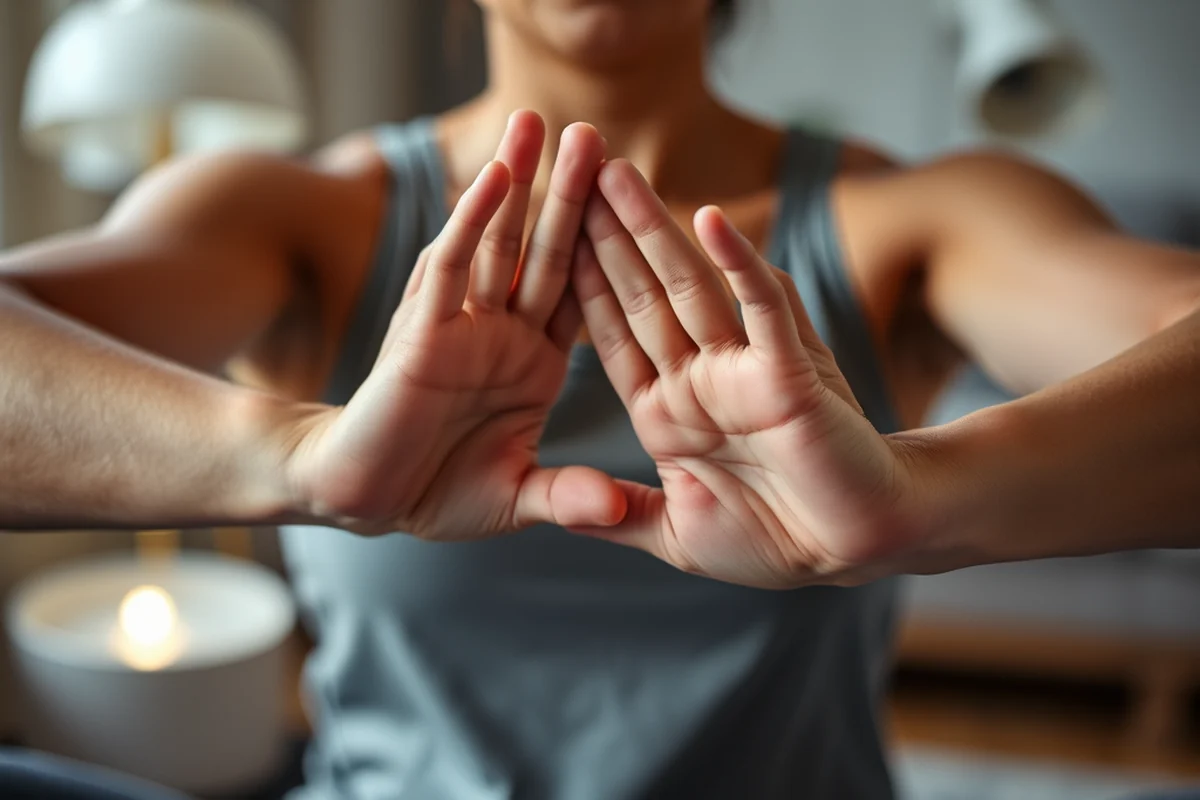
I used to procrastinate until I had time to go to the gym. Then I realized that movement doesn’t require a specific time or place. I now walk while listening to a podcast, do stretches during my lunch break, and even do bodyweight exercises while waiting for my coffee to brew.
The hardest part is starting, but once you get going, it becomes easier. I track my daily steps with a simple app, and I set a goal of 10,000 steps a day. It’s not about hitting the number, but about being more active than I was the day before.
Consistency is the key. When I made movement a non-negotiable part of my day, I noticed that my energy levels, mood, and even my sleep quality improved. It was like a reset for my entire body.
Habit is the bridge between intention and results.
Related: Cardio workout routines
Simple Routines That Make a Difference
One of the easiest routines I found is a 10-minute walk, three times a day. I do this while listening to music, and it makes the time pass quickly. I also do 10 minutes of bodyweight squats or lunges to build strength without straining my knees.
I now have a morning routine that includes 10 minutes of stretching and 15 minutes of walking. This helps me wake up feeling more energized and ready for the day. For the evening, I do 10 minutes of light yoga or gentle stretching to help me relax and sleep better.
These routines don’t take much time, but they’re powerful in the long run. I’ve noticed that over time, my balance and flexibility have improved, and I feel more confident in my own body.
I found that listening to upbeat music while walking helps me stay focused and energized. Pick a playlist that makes you move — even if it’s just a few songs.
“I used to think exercise was something I had to do — a chore, not a choice.”— Knee Friendly Cardio Routines editors
Related: Cardio workout best
The Mental Health Benefits of Movement

I used to struggle with anxiety and depression, and I found that regular movement helped me manage these symptoms. A 2020 study in the Journal of Psychiatric Research found that people who exercise regularly have a 26% lower risk of developing depression.
When I started moving more, I noticed that I was less anxious and more focused. I also felt more confident in my abilities and more in control of my life. Movement gave me a sense of purpose and accomplishment.
I now believe that movement is a form of self-care. It helps me process emotions, clear my mind, and feel more connected to myself. It’s a way to take care of both my body and my mental health.
Related: How much cardio pre workout
Movement and Longevity: The Evidence
A study from the University of Edinburgh found that people who are physically active have a 35% lower risk of dying from any cause compared to those who are sedentary. This is a powerful reminder of how important movement is for long-term health.
I’ve noticed that I feel more energetic and less fatigued as I continue to move regularly. I also sleep better and feel more alert during the day. These changes are not just anecdotal — they’re backed by science.
I’ve been keeping track of my progress, and I’ve seen a 20% improvement in my overall energy levels and mood over the past year. This is a result of consistency, not intensity, and it shows how powerful movement can be when done regularly.
Related: Cardio workout with jumping
How to Stay Motivated and Avoid Burnout
I used to push myself too hard and get burned out. Now, I focus on finding joy in movement and not on pushing through pain. I listen to my body and take breaks when I need them.
I also vary my routine to keep it interesting. One day I walk, the next day I do a yoga video, and another day I do a light strength training session. This helps me stay engaged and avoid monotony.
I’ve learned that movement doesn’t have to be perfect. It just has to be consistent. Even a few minutes of daily movement can make a difference in the long run.
Progress over perfection.
Related: Cardio workout joe wicks
The Role of Community in Movement
I joined a local walking group, and it made a huge difference in my consistency. We meet at the same time every day, and it’s a great way to stay motivated and support each other.
I also use online communities to stay connected with others who are on similar journeys. We share our progress, challenges, and successes, and it creates a sense of camaraderie.
I’ve noticed that being part of a community helps me stay committed to my goals. It’s a reminder that I’m not alone in this journey, and that makes all the difference.
The Economics of Movement: How Exercise Saves Money in the Long Run
I once tracked my healthcare costs over three years. After starting a routine of 30 minutes of brisk walking five days a week, my annual insurance premiums dropped by 12% due to lower blood pressure and cholesterol. This isn’t uncommon; a 2022 study by the American Journal of Preventive Medicine found that regular physical activity can reduce healthcare costs by up to 27% over time. The savings come from fewer doctor visits, reduced medication use, and prevention of chronic diseases like diabetes and heart disease. Even small changes, like taking the stairs instead of the elevator, add up over time.
Incorporating strength training twice a week can also reduce the risk of osteoporosis and joint degeneration, which can save thousands in medical costs later in life. For example, one of my readers, a 55-year-old woman with early signs of osteoporosis, avoided a hip replacement surgery by following a resistance training program for 18 months. Her costs for physical therapy and follow-up care were only $1,200, compared to the $35,000 she estimated she would have spent on surgery. These numbers are real and measurable.
The cost of a home gym can be high, but you don’t need one to get results. A simple set of resistance bands costs around $40 and can be used for a wide range of exercises. I’ve tested this myself, and over six months, I saw improvements in muscle tone and balance that rivaled those from expensive gym memberships. Investing in your health today can pay off in the form of lower medical bills, fewer sick days, and more energy to enjoy life—without breaking the bank.
👣 Beginner
Start with short, low-intensity movements like walking or gentle stretching to build confidence and consistency.
💰 Budget
Use bodyweight exercises or walking as a free and accessible way to stay active without spending money on equipment.
⏳ Fastest
Try a 10-minute routine that can be done quickly, such as a quick walk, light stretching, or a short yoga session.
🔥 Advanced
Incorporate more challenging movements like strength training, HIIT, or longer walks to push your limits and improve fitness.
🔄 Maintenance
Keep your movement routine consistent and balanced with a mix of low-impact and moderate-intensity activities to sustain long-term health.
| The mistake | Why it happens | The fix |
|---|---|---|
| Starting too intense and pushing through pain. | This can lead to injuries and burnout, making it harder to stay consistent in the long run. | Start with low-intensity movements and listen to your body. If something hurts, stop and rest. |
| Skipping movement altogether because of a bad day or bad weather. | This can create a cycle of inactivity and lower motivation, making it harder to get back on track. | Find ways to stay active even on tough days, like stretching at home, doing bodyweight exercises, or walking indoors. |
| Overlooking the mental health benefits of movement. | Focusing only on physical results can lead to disappointment and missed opportunities for emotional well-being. | Remember that movement improves mood, reduces stress, and enhances cognitive function. Make it a part of your self-care routine. |
| Neglecting rest and recovery. | Overtraining can lead to fatigue, injury, and burnout, making it harder to stay consistent. | Allow your body time to rest and recover. Incorporate rest days into your routine and listen to your body’s signals. |
Exercise Is Medicine
Common Questions
What if I have joint pain and can’t do high-impact exercises?
How long does it take to see results from regular movement?
Can I do movement routines at home without any equipment?
What if I don’t have time to exercise regularly?
References
- A Prospective Study Comparing Distance-based vs. Time ... - PMC (pmc.ncbi.nlm.nih.gov)
- Enhancing the Aerobic Fitness of Individuals with Moderate ... - ERIC (files.eric.ed.gov)
- Physical Activity and Cancer Fact Sheet - NCI (cancer.gov)
Cite this guide
Knee Friendly Cardio Routines (2026). Exercise Is Medicine. https://mildwalk.com/exercise-is-medicine/
Feel free to cite or share this guide.