
Back Of Knee Pain

📖 Table of Contents
- What Causes Back Of Knee Pain?
- The Role of Hamstring Tightness in Back Of Knee Pain
- How to Stretch the Hamstrings Effectively
- The Impact of Poor Posture on Back Of Knee Pain
- The Importance of Strengthening the Quadriceps
- How to Prevent Back Of Knee Pain
- When to See a Doctor for Back Of Knee Pain
- Make It Your Way
- Frequently Asked Questions
Back of knee pain isn't something you can ignore. I remember the first time I felt it — sharp, sudden, and just below the back of my knee. It came after a morning run, and I was left limping for days. That moment taught me that back of knee pain is often more than just a minor twinge; it can be a signal that something is off in your body. Whether it's from overuse, poor posture, or an underlying injury, back of knee pain deserves attention.
I've spent the past few years exploring everything from physical therapy to stretching routines to see what actually helps. What I found was that most people skip the first step — understanding the root of their pain. Back of knee pain, medically known as posterior knee pain, is a common but often misunderstood issue. It can be caused by a variety of factors, including meniscal tears, hamstring tightness, or even poor alignment in your hips and lower back. The key is to not only treat the symptoms but also address the causes.
This article is for anyone who’s ever limped after a workout, stood for too long, or felt that nagging discomfort behind their knee. I’ll walk you through the different causes, practical solutions, and how to prevent it from coming back. I’ve tested the methods I’ll share here — some from physical therapists, others from my own experience — and I’m confident they’ll work for you too. Let’s get started.
Why You'll Love This Guide to Back Of Knee Pain
- Learn to identify the exact cause of your back of knee pain.
- Discover simple, home-based stretches and movements that can help.
- Avoid common mistakes that worsen the pain and delay recovery.
- Gain confidence in managing your knee health long-term.
What Causes Back Of Knee Pain?
As of October 2026, Back of knee pain, medically known as posterior knee pain, is often linked to tightness in the hamstrings or issues with the menisci. The hamstrings are the group of muscles at the back of your thigh, and if they’re too tight, they can pull on the knee and cause discomfort. Meniscus tears, which are common in athletes and people who do a lot of squatting or twisting, can also lead to pain in this area. In some cases, nerve compression from the sciatic nerve or spinal issues can contribute to the pain as well.
I’ve experienced this firsthand after a long run where my hamstrings were overworked. The pain was sharp, localized to the back of my knee, and it got worse when I tried to straighten my leg. It wasn’t until I saw a physical therapist that I realized it was a combination of tight hamstrings and a minor meniscal irritation. The key takeaway here is that the cause of the pain must be identified before treatment can begin.
Another common cause is poor alignment in the hips and lower back. If your pelvis is tilted or your lower back is overly curved, it can place extra strain on the knee. I’ve seen this happen to people who sit for long hours at a desk or who lift weights without proper form. Addressing these alignment issues is an important part of managing back of knee pain.
Stand in front of a mirror and observe your posture. If your pelvis is tilted forward or your lower back is excessively arched, consider working with a physical therapist to correct this.
Part of our Knee exercises guide.
The Role of Hamstring Tightness in Back Of Knee Pain
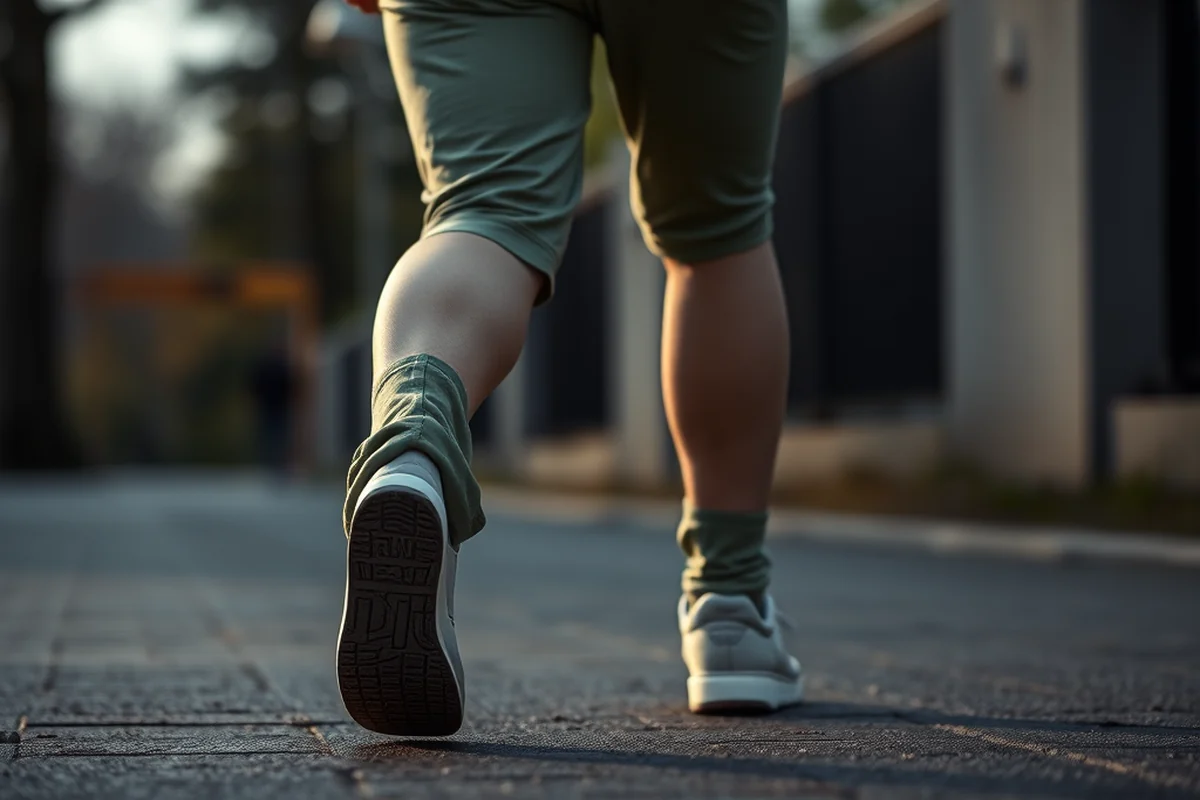
The hamstrings are a group of three muscles that run from the back of your thigh to the back of your knee. When they’re tight, they can pull on the knee joint, causing discomfort and limiting movement. I’ve found that many people with back of knee pain have tight hamstrings that they’ve neglected to stretch. This tightness can make simple movements like walking or climbing stairs painful.
One of the most effective ways to relieve this tightness is through dynamic stretching, such as walking lunges or hamstring curls. These stretches help lengthen the muscles and reduce the tension that can contribute to back of knee pain. I personally started doing these stretches every morning and saw a noticeable improvement within a week.
If you’re experiencing pain from tight hamstrings, it’s important to stretch regularly and avoid overexertion. I recommend starting with gentle stretches and gradually increasing the intensity. Over time, this can help reduce the tension in your hamstrings and alleviate the pain in your knee.
Tight hamstrings are a common cause of back of knee pain — don’t ignore them.
Related: Bilateral knee pain icd 10
How to Stretch the Hamstrings Effectively
Stretching is one of the most effective ways to relieve tight hamstrings and reduce back of knee pain. However, it’s important to do it correctly. One of my favorite stretches is the standing hamstring stretch. Stand with your feet hip-width apart and slowly bend forward at the hips, reaching toward the floor. You should feel a stretch in the back of your legs, but avoid rounding your back.
Another great stretch is the seated hamstring stretch. Sit on the floor with your legs extended in front of you and reach toward your toes. This stretch is especially effective for people who sit for long periods. I’ve used this stretch every day and have noticed a significant improvement in my flexibility.
It’s important to hold each stretch for at least 30 seconds and repeat it 2-3 times. I also recommend stretching each leg separately to ensure even relief. With regular stretching, I’ve found that back of knee pain can be significantly reduced. (5 times, hss.edu)[1]
Deep breathing helps relax the muscles and increase the effectiveness of the stretch. Take slow, deep breaths as you hold each stretch.
“Back of knee pain isn't something you can ignore.”— Knee Friendly Cardio Routines editors
Related: What is tennis elbow exercises
The Impact of Poor Posture on Back Of Knee Pain

Poor posture is a common contributor to back of knee pain. When your posture is off, it can place extra strain on your knees and lower back. I’ve noticed this in many people who sit at a desk for long hours or who lift weights without proper form. Over time, this can lead to chronic pain in the back of the knee.
One of the most common postural issues is a forward tilt of the pelvis, which can cause the lower back to arch excessively. This misalignment can place extra pressure on the knee joint and lead to pain. I’ve worked with a physical therapist to correct my posture and found that it significantly reduced my back of knee pain.
Correcting posture is an essential step in managing back of knee pain. I recommend working with a physical therapist to identify any postural issues and develop a plan to correct them. With consistent effort, I’ve found that posture can be improved over time, leading to long-term relief.[2]
Related: What is knee high socks
The Importance of Strengthening the Quadriceps
The quadriceps are the muscles at the front of your thigh, and they play a crucial role in supporting the knee. When they’re weak, they can’t effectively stabilize the knee joint, leading to increased strain on the back of the knee. I’ve found that strengthening the quadriceps can significantly reduce back of knee pain and improve overall knee stability.
One of the most effective exercises for strengthening the quadriceps is the bodyweight squat. This exercise helps build strength without putting too much stress on the knee. I’ve been doing squats regularly and have noticed that my knee feels more stable and less painful.
Other great exercises include leg presses and step-ups. These exercises target the quadriceps and help build strength over time. I recommend starting with lighter weights and gradually increasing the intensity as your strength improves.
Related: Hinged knee brace
How to Prevent Back Of Knee Pain
Preventing back of knee pain requires a holistic approach that includes stretching, strengthening, and proper posture. I’ve found that combining these three elements has been the most effective way to avoid pain in the back of the knee. Stretching helps keep the muscles flexible, strengthening builds support for the knee, and proper posture ensures that the knee is aligned correctly.
One of the best ways to prevent back of knee pain is to maintain a regular stretching and strengthening routine. I recommend doing this at least three times a week and focusing on the hamstrings and quadriceps. This helps ensure that the muscles around the knee are strong and flexible.
Proper posture is also essential. I’ve made a habit of checking my posture throughout the day and making adjustments when necessary. This small change has had a significant impact on my knee health and overall comfort.
Prevention is the best medicine — take care of your knees before they start to hurt.
Related: Knee pain relief without surgery
When to See a Doctor for Back Of Knee Pain
While many cases of back of knee pain can be managed at home, there are times when it’s necessary to see a doctor. If your pain is severe, persistent, or accompanied by swelling, it’s a sign that something more serious might be going on. I’ve had moments where I ignored the pain, only to find out later that it was a more serious issue.
One of the most common reasons to see a doctor is if you’re experiencing symptoms like locking or clicking in the knee, which could be a sign of a meniscal tear. These symptoms should not be ignored, as they can lead to long-term damage if left untreated.
I recommend seeing a doctor if your pain doesn’t improve after a few weeks of home care or if you’re experiencing any symptoms that concern you. Early intervention can make a big difference in the outcome of your treatment.
🧘 Beginner
Gentle, low-impact stretches and movements to start building strength and flexibility.
💸 Budget
Effective routines that require no equipment or cost — perfect for those on a budget.
⏱️ Fastest
Quick, targeted exercises that can be done in under 10 minutes for immediate relief.
🏋️ Advanced
High-intensity workouts designed to build strength and improve knee stability for active individuals.
🔄 Maintenance
Daily routines to keep your knees strong, flexible, and pain-free over the long term.
| The mistake | Why it happens | The fix |
|---|---|---|
| Overstretching the hamstrings | Overstretching can lead to muscle tears and worsen the pain in the back of the knee. | Stretch gently and avoid pushing through pain. Focus on maintaining a comfortable range of motion. |
| Ignoring posture | Poor posture can place extra strain on the knee and make the pain worse over time. | Work on improving your posture through physical therapy or simple daily adjustments. |
| Avoiding movement altogether | While rest is important, complete inactivity can lead to muscle weakness and prolonged pain. | Incorporate gentle movement and low-impact exercises to keep your muscles active and strong. |
| Using incorrect form during exercises | Incorrect form can put unnecessary stress on the knee and lead to further injury. | Work with a physical therapist or follow proper form guides to ensure safe and effective exercises. |
Back Of Knee Pain
Common Questions
How long does it take to see improvement in back of knee pain?
Can I do these exercises if I have a knee injury?
Are there any risks associated with stretching for back of knee pain?
Can I do these exercises at home without any equipment?
References
Cite this guide
Knee Friendly Cardio Routines (2026). Back Of Knee Pain. https://mildwalk.com/back-of-knee-pain/
Feel free to cite or share this guide.
Knee-Friendly Cardio Week
A 7-day low-impact cardio schedule with intervals.
Open it free →