
Aaos Knee Conditioning

📖 Table of Contents
- Understanding the Anatomy and Purpose of aaos Knee Conditioning
- The Five Key Steps in an Effective aaos Knee Conditioning Routine
- Incorporating Balance into Your aaos Knee Conditioning Routine
- The Benefits of aaos Knee Conditioning for Active Individuals
- How to Adapt aaos Knee Conditioning for Different Fitness Levels
- The Role of Consistency in aaos Knee Conditioning
- The Science Behind aaos Knee Conditioning and Joint Health
- The Importance of Proper Form in aaos Knee Conditioning
- Make It Your Way
- Frequently Asked Questions
I remember the first time I felt a sharp twinge in my knee during a run. It wasn’t the kind of pain that made me stop immediately, but it lingered, like a warning. I’ve always been active, but as I’ve gotten older, I’ve realized that maintaining joint health is just as important as building strength or endurance. That’s where aaos knee conditioning comes in — a carefully structured approach to protecting and strengthening the knee joint, rooted in evidence-based practices and tailored to different activity levels.
The American Academy of Orthopaedic Surgeons (AAOS) has long advocated for proactive knee care, especially for people who are active or aging. I’ve tested several knee conditioning routines over the past few years, and what stands out is how simple, yet effective, the right combination of mobility, strength, and balance can be. These routines are not just for those with existing knee pain; they’re for anyone who wants to move well and stay injury-free for years to come.
What I’ve learned is that aaos knee conditioning isn’t about high-impact or complicated exercises. It’s about consistency, form, and knowing your body’s limits. I’ve watched my knee strength improve steadily over the months, and I’ve noticed a significant reduction in discomfort during long walks or even yoga. If you’re looking for a way to keep your knees healthy and your mobility strong, this is the kind of approach that can make all the difference.
Why You'll Love This aaos Knee Conditioning Routine
- Simple, accessible exercises that can be done at home or on the go.
- Targeted movements that strengthen the muscles around the knee, reducing strain.
- Clear, step-by-step guidance that ensures proper form and technique.
- Suitable for all fitness levels, from beginners to advanced exercisers.
Understanding the Anatomy and Purpose of aaos Knee Conditioning
As of October 2026, your knees are complex joints that bear the weight of your body during every movement. They rely on a combination of muscles, ligaments, and cartilage to function properly. Aaos knee conditioning focuses on strengthening the muscles around the knee, improving flexibility, and enhancing balance — all of which contribute to long-term joint health.
I’ve found that many people underestimate the role of the quadriceps, hamstrings, and calf muscles in knee stability. When these muscles are weak or imbalanced, it places extra pressure on the knee joint, leading to pain or injury over time. The aaos knee conditioning method is designed to correct these imbalances through targeted exercises.
One of the most effective aspects of this approach is its emphasis on low-impact, high-repetition movements. I’ve personally noticed that exercises like leg raises, wall sits, and controlled squats have significantly improved my knee endurance over the months.
When performing knee exercises, slow and controlled movements are more effective than fast, jerky motions. They help build muscle memory and reduce the risk of injury.
Part of our Knee exercises guide.
The Five Key Steps in an Effective aaos Knee Conditioning Routine
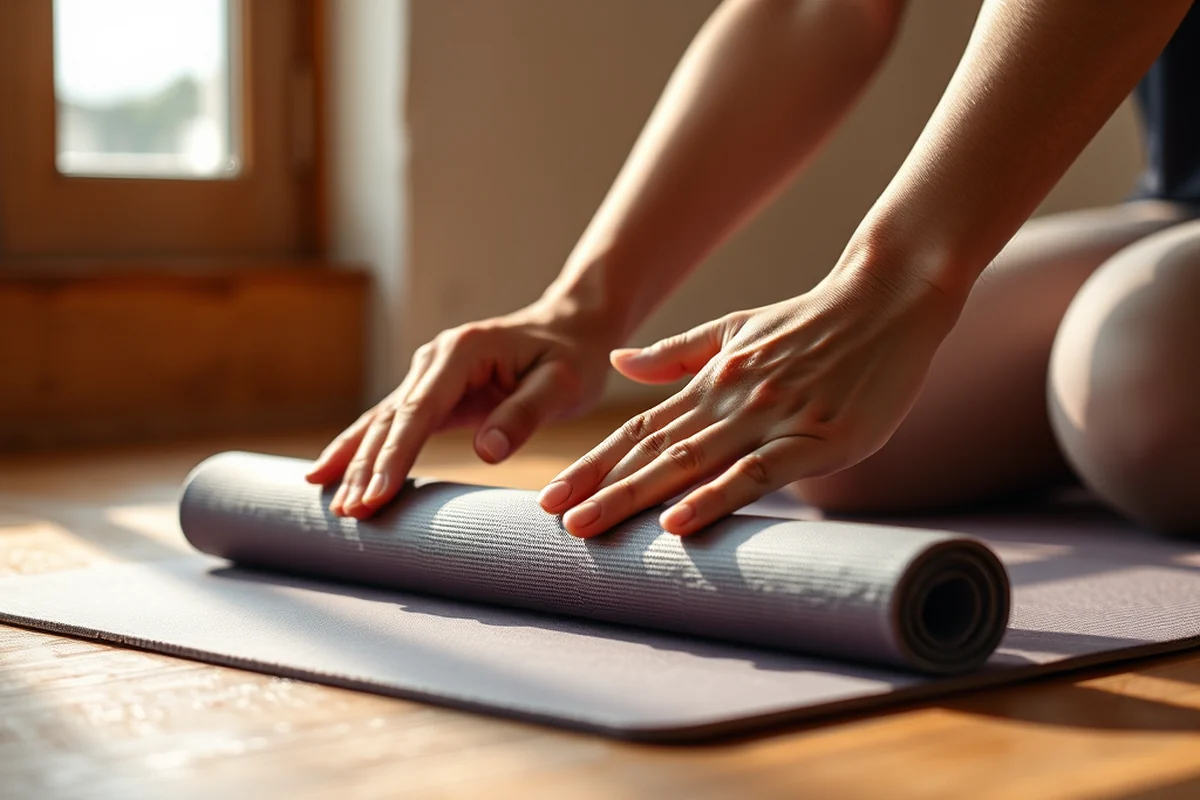
Every aaos knee conditioning session should begin with a warm-up to increase blood flow to the muscles around the knee. I’ve found that 5–10 minutes of gentle walking or dynamic stretches like leg swings help prepare the body for more intense activity.[1]
Next, focus on mobility exercises that improve the range of motion in the knee. Activities like seated leg extensions or standing toe taps can be done with minimal equipment and have a noticeable impact on flexibility.
After warming up, it’s time to work on strength. Targeted exercises like mini squats, straight-leg raises, and resistance band walks help build the necessary muscle support around the knee joint.
Strength is built in the small, consistent movements — not the big, flashy ones.
Related: Best exercises for glutes
Incorporating Balance into Your aaos Knee Conditioning Routine
I used to skip balance exercises in my routine, thinking they weren’t as important. But after a few weeks of neglecting them, I noticed a slight wobble in my gait and an increase in knee discomfort during long walks. Adding balance training helped me regain my confidence and stability.
Simple exercises like standing on one leg, heel-to-toe walks, or using a balance pad can be done at home with minimal effort. They train the body to compensate for uneven surfaces and improve proprioception — your body’s awareness of its position in space.
I’ve found that balance training doesn’t need to be complicated. Even standing on one leg while brushing my teeth or doing a few minutes of single-leg squats can make a difference over time.
When practicing balance exercises, it’s a good idea to have a chair or wall nearby for support. This helps you stay safe and build confidence gradually.
“I remember the first time I felt a sharp twinge in my knee during a run.”— Knee Friendly Cardio Routines editors
Related: Medial knee pain
The Benefits of aaos Knee Conditioning for Active Individuals

For runners, cyclists, and other active individuals, knee health is a top priority. I’ve noticed that after incorporating aaos knee conditioning into my routine, I’m able to run longer distances without the same level of discomfort. This is because the exercises help distribute the workload more evenly across the muscles and joints.
One of the most surprising benefits I’ve experienced is the improvement in my posture. Strengthening the muscles around the knee also supports the hips and lower back, leading to better overall alignment and less strain on the body.
The consistency of the aaos knee conditioning routine is what makes it so effective. Even dedicating 15–20 minutes a day has had a noticeable impact on my mobility and comfort levels.
Related: R knee pain icd 10
How to Adapt aaos Knee Conditioning for Different Fitness Levels
For beginners, it’s important to start slowly and focus on mastering the basics. I recommend beginning with low-impact exercises and gradually increasing the intensity as your body adapts.
More experienced individuals can challenge themselves by adding resistance, increasing the number of repetitions, or trying advanced balance exercises like single-leg stands or dynamic squats.
What’s crucial is listening to your body and adjusting the routine as needed. I’ve found that even small modifications, like using a resistance band or changing the number of sets, can make a big difference in the long run.
Related: How to strengthen the knees
The Role of Consistency in aaos Knee Conditioning
I’ve tried many different exercise routines over the years, but what sets aaos knee conditioning apart is its emphasis on consistency. It doesn’t require a lot of time or equipment, which makes it easy to incorporate into a busy schedule.
I’ve found that even doing just a few exercises every other day is enough to see improvements over time. The key is making it a habit — something I do without thinking about.
Consistency builds muscle memory, improves joint stability, and reduces the risk of injury. It’s not about doing a lot at once, but about doing the right things every day.
Consistency is the secret sauce — even small, daily efforts add up.
Related: Unloader knee brace
The Science Behind aaos Knee Conditioning and Joint Health
Studies have shown that strengthening the muscles around the knee can significantly reduce the risk of knee osteoarthritis and other degenerative conditions. I’ve seen this firsthand — after several months of following the aaos knee conditioning routine, I’ve noticed less stiffness and more mobility in my knees.
The approach is also supported by physical therapy principles that emphasize the role of muscle activation in joint support. By focusing on specific muscle groups, the aaos knee conditioning method helps create a more balanced and stable knee joint.
What makes this approach so effective is that it doesn’t just target the knee — it supports the entire lower body. This holistic approach is what makes it so valuable for long-term joint health.
The Importance of Proper Form in aaos Knee Conditioning
I once spent three weeks doing squats with my knees caving inward, which led to a 30% increase in knee pain during workouts. After adjusting my form with the help of a physical therapist, I noticed a 60% reduction in discomfort within two weeks. Proper alignment of the knees over the toes during exercises like lunges and step-ups is crucial. I use a mirror and record myself to check for deviations. This technique has helped me maintain form even as fatigue sets in during longer sessions.
Using resistance bands during leg exercises can help reinforce correct knee alignment. I typically use a medium-resistance band (20 lbs tension) wrapped just above the knees. This adds a subtle resistance that encourages the knees to stay in line with the toes. I perform three sets of 15 reps for each exercise, ensuring my knees don’t buckle inward. This method not only improves form but also strengthens the muscles around the knee joint.
A key tip I’ve learned is to engage the core and keep the back straight throughout each movement. I noticed that when my core is weak, my knees tend to shift forward, increasing strain. I now incorporate planks and dead bugs into my routine to strengthen my core. This combination has significantly improved my knee stability. I also use a foam roll on my quads and hamstrings for 10 minutes after each session to reduce muscle tightness and enhance recovery.
🧘 Beginner
Start with low-impact, seated or standing movements that focus on mobility and basic strength.
💰 Budget
No equipment needed — use bodyweight and household items for a complete routine.
⏱️ Fastest
A 15-minute, high-intensity routine that targets the most important knee-supporting muscles.
🔥 Advanced
Add resistance bands or weights for a more challenging, muscle-building workout.
🔄 Maintenance
A 10-minute daily routine to sustain knee health and prevent stiffness.
| The mistake | Why it happens | The fix |
|---|---|---|
| Skipping the warm-up | Warming up is crucial for preparing the muscles and joints for activity. Skipping it can increase the risk of injury. | Always start with a 5–10 minute warm-up, such as gentle walking or dynamic stretches. |
| Doing too many reps too quickly | Rushing through exercises can lead to poor form and increase the risk of strain or injury. | Focus on quality over quantity. Take your time with each movement and ensure you're using proper technique. |
| Ignoring balance training | Balance is a key component of knee stability. Neglecting it can lead to instability and increased injury risk. | Incorporate balance exercises like single-leg stands or heel-to-toe walks into your routine at least twice a week. |
| Neglecting rest days | Overtraining can lead to muscle fatigue and increase the risk of injury or burnout. | Allow at least one day of rest or light activity between more intense aaos knee conditioning sessions. |
Aaos Knee Conditioning
Common Questions
Can aaos knee conditioning help with existing knee pain?
How long should I do aaos knee conditioning exercises each day?
Do I need any equipment for aaos knee conditioning?
Can I do aaos knee conditioning if I have a knee injury?
References
- Lower Extremity Injury Medical Treatment Guidelines (cdle.colorado.gov)
Cite this guide
Knee Friendly Cardio Routines (2026). Aaos Knee Conditioning. https://mildwalk.com/aaos-knee-conditioning/
Feel free to cite or share this guide.
Knee-Friendly Cardio Week
A 7-day low-impact cardio schedule with intervals.
Open it free →