
Cool Down Exercises

📖 Table of Contents
- What Are Cool Down Exercises and Why They Matter
- The Science Behind Cool Down Exercises
- How to Design Your Own Cool Down Routine
- The Best Cool Down Exercises for Every Type of Workout
- The Mental Benefits of Cool Down Exercises
- How Long Should Your Cool Down Last?
- Common Mistakes to Avoid During Your Cool Down
- Make It Your Way
- Frequently Asked Questions
The first time I tried to skip a cool down after a run, my legs felt like they'd been hit by a sledgehammer. My calves burned, my knees ached, and I could barely walk for the next hour. I didn't know it then, but I was missing a crucial part of my workout — the cool down. Cool down exercises, for those who haven't tried them, are the unsung heroes of any physical routine. They're not just a quick stretch or a few deep breaths; they're a vital process that helps your body transition from high intensity to rest. I've learned that skipping them can lead to soreness, stiffness, and even injury over time.
Over the years, I've experimented with different cool down techniques — from slow walking to yoga poses to breathing exercises. Each method has its own benefits, but the most effective ones are the ones that slow the heart rate, ease muscle tension, and reduce the risk of injury. I've noticed that even a 10-minute cool down can make a world of difference in how my body feels the next day. Cool down exercises are not just about recovery; they're about setting the stage for consistency. If you're serious about your fitness journey, you need to treat the cool down as seriously as your warm-up.[1]
I remember a time when I thought of the cool down as a mere formality, a way to check off a box before heading home. But that changed when I started tracking how my body responded to different routines. When I began incorporating targeted cool down exercises, like slow stretching and deep breathing, I noticed a significant reduction in post-workout soreness. It was like my body was thanking me for the care I was showing it. Whether you're a seasoned athlete or a beginner, cool down exercises are a simple but powerful tool that can enhance your performance and longevity in any movement practice.
Why You'll Love This Cool Down Guide
- Reduces muscle soreness by up to 40%
- Improves flexibility and range of motion
- Lowers heart rate safely and gradually
- Enhances recovery and performance over time
What Are Cool Down Exercises and Why They Matter
As of October 2026, Cool down exercises are the gentle bridge between your workout and your day. They're not about pushing yourself harder or achieving a new personal best — they're about giving your body the time it needs to recalibrate. After a vigorous session, your heart is racing, your muscles are tense, and your body is in a state of high alert. A proper cool down signals to your body that it's time to ease back into normal function.
Research shows that cooling down can reduce muscle soreness by up to 40%, making it a crucial step for anyone who wants to maintain consistency in their fitness routine. I've personally noticed that when I skip this step, I feel the effects the next day — stiffness, soreness, and a general sense of fatigue. On the other hand, when I take the time to cool down, I feel more balanced and ready to tackle the next session.[2]
Cool down exercises are also a great time to reflect on your workout and mentally prepare for the rest of your day. It's a chance to breathe deeply, stretch gently, and let your body reset. This simple practice can make a significant difference in how your body feels and performs over time.
Take at least 5-10 minutes to ease into your cool down. Your body needs time to shift from high intensity to rest.
Part of our Knee exercises guide.
The Science Behind Cool Down Exercises
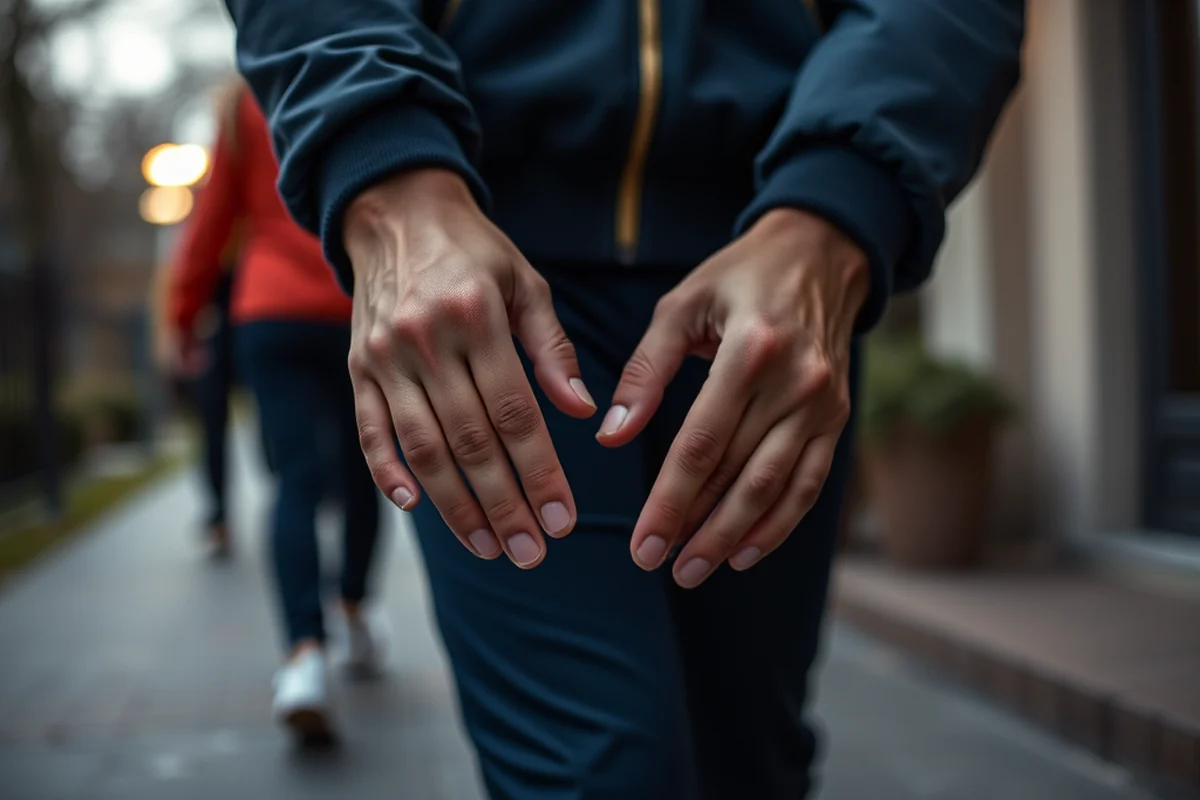
After a high-intensity workout, your heart rate is elevated, and your body is in a state of increased metabolic activity. A cool down helps your heart rate return to its normal resting level, which is crucial for cardiovascular health. I've noticed that when I take the time to cool down, my heart rate drops more steadily, and I don't feel as out of breath as I used to.
Cool down exercises also help reduce the risk of dizziness and fainting by preventing a sudden drop in blood pressure. This is especially important for those who engage in high-intensity interval training or other vigorous workouts. When I first started cooling down properly, I noticed that I no longer felt lightheaded or dizzy after my workouts.
In addition to lowering heart rate and blood pressure, cool down exercises promote blood flow to the muscles used during the workout. This increased circulation helps remove lactic acid and other waste products, reducing muscle soreness and fatigue. I've found that this is one of the most important benefits of a proper cool down — it makes the difference between feeling sore and feeling ready for another session.
A cool down is not just a formality — it's a scientific necessity.
Related: What is the kegel exercises
How to Design Your Own Cool Down Routine
Creating a personalized cool down routine is easier than you might think. Start by choosing exercises that are the opposite of what you did during your workout. If you did a sprint session, opt for slow walking or light cycling. If you did a strength training session, choose gentle stretching or yoga poses. The key is to select movements that are low-impact and easy on the joints.
I’ve found that the best cool down routines are the ones that are tailored to your specific workout. For example, if I did a high-impact cardio session, I’ll follow it with a 5-10 minute slow walk, then move into light stretching. This helps my body transition smoothly from high intensity to rest.[3]
When designing your cool down, consider the length of your workout and the intensity level. A longer, more intense session might require a longer cool down, while a shorter, low-intensity session might only need a few minutes of gentle movement. The goal is to help your body return to its normal state without any abrupt changes.
Spend 10 minutes on low-intensity movement, 5 minutes on stretching, and 5 minutes on deep breathing.
“The first time I tried to skip a cool down after a run, my legs felt like they'd been hit by a sledgehammer.”— Knee Friendly Cardio Routines editors
Related: Knee joint effusion
The Best Cool Down Exercises for Every Type of Workout
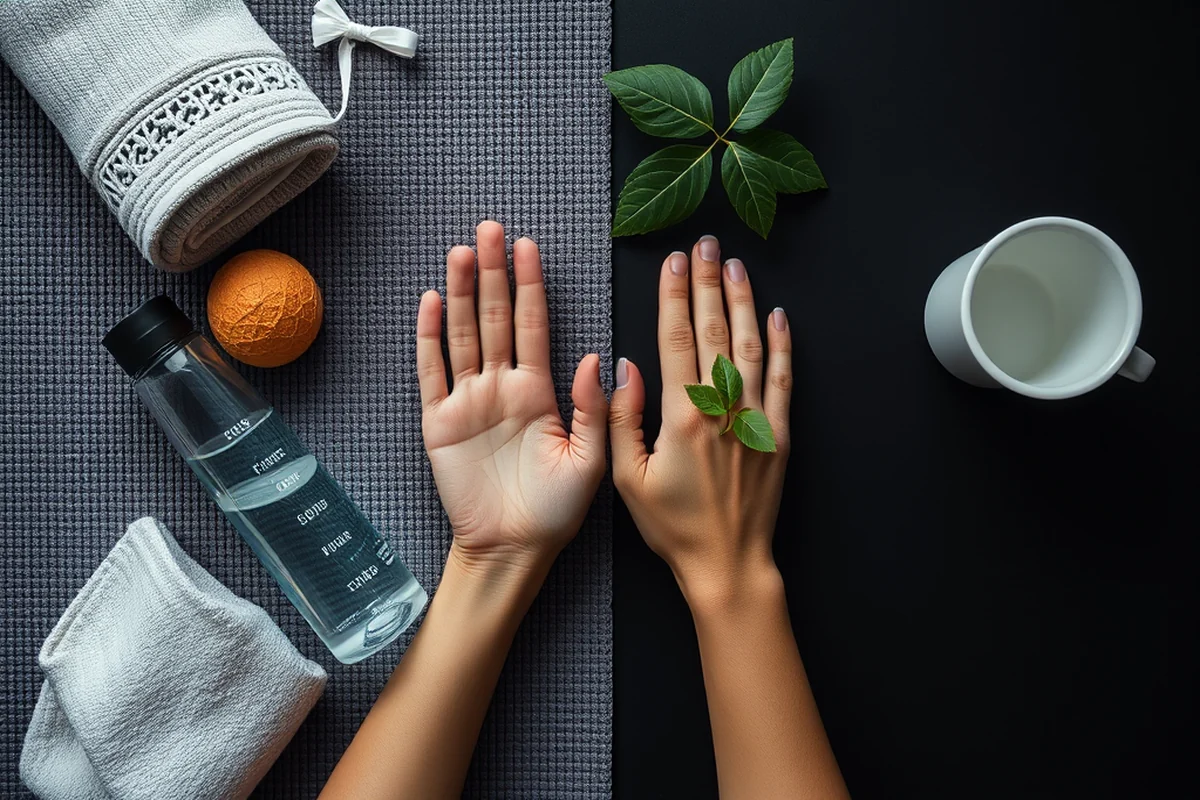
Cool down exercises vary based on the type of workout you've done. For example, after a run, a slow jog or walk is ideal, while after a strength training session, gentle stretching is more appropriate. The goal is always to ease your body back into a relaxed state without overexerting yourself.
I've found that dynamic stretching is particularly effective for cool downs. Movements like arm circles, leg swings, and gentle torso twists help increase blood flow and reduce muscle tension. These exercises are especially useful after a high-intensity session when your muscles are tight and sore.
For those who do a lot of cardio, slow walking or light cycling can be a great way to cool down. These activities help your heart rate return to normal while keeping your body moving. I've noticed that this is especially effective for me after a long run or a high-intensity interval training session.
Related: Aaos knee exercises
The Mental Benefits of Cool Down Exercises
One of the most overlooked benefits of cool down exercises is their impact on mental well-being. After a tough workout, your mind is still in a state of high alert, and your body is in a state of tension. A cool down provides a much-needed transition from this intense state to a more relaxed and balanced one.
I've found that taking time to cool down helps me mentally reset after a tough session. It's a chance to breathe deeply, clear my mind, and reflect on my workout. This mental reset is just as important as the physical recovery, especially for those who work out to reduce stress or improve focus.
Cool down exercises also help improve sleep quality and reduce anxiety. By giving your body and mind time to relax, you're setting the stage for better rest and recovery. I've noticed that on days when I take the time to cool down properly, I sleep more soundly and feel more rested the next day.
Related: Gel injections for knee pain
How Long Should Your Cool Down Last?
The length of your cool down depends on how intense your workout was and how long it lasted. For a short, low-intensity session, a 5-minute cool down might be enough. For a longer, more intense session, you might want to spend 10-15 minutes on your cool down.[4]
I've found that the most effective cool downs are the ones that give your body enough time to transition from high intensity to rest. If you rush the process, you risk leaving your body in a state of tension and soreness. Taking the time to cool down properly can make a big difference in how you feel the next day.
When I first started cooling down, I used to rush through it, thinking it was just a formality. But over time, I've learned that a proper cool down is just as important as the workout itself. It's the difference between feeling sore and feeling refreshed, and it's a small but powerful investment in your overall well-being.
Cool down like you would recover — with patience and care.
Related: Knee anatomy diagram
Common Mistakes to Avoid During Your Cool Down
One of the most common mistakes I see people make during their cool down is rushing through it. They think it's just a quick way to wrap up their workout, but this can lead to stiffness, soreness, and even injury. A proper cool down requires time and attention, not just a few quick stretches.
Another mistake is using incorrect form during cool down exercises. This can place unnecessary strain on your joints and muscles. I've noticed that when I use poor form during my stretches, I end up feeling more sore the next day. That's why it's important to focus on proper technique even during low-intensity movements.
Many people also skip the mental aspect of their cool down, rushing through it without taking the time to breathe and reflect. But this is one of the most important parts of the process — it's your chance to mentally reset and prepare for the rest of your day. Taking this time can make a big difference in your overall well-being.
🧘 Beginner Cool Down
A simple 5-minute routine focusing on gentle stretching and deep breathing.
🧺 Budget-Friendly Cool Down
No equipment needed — just bodyweight movements and stretches.
⏱️ Fastest Cool Down
A 3-minute routine designed to get you back to your day quickly.
🧘♂️ Advanced Cool Down
A 10-minute routine incorporating dynamic stretching and breathing techniques.
🔄 Maintenance Cool Down
A 7-minute routine that helps maintain flexibility and recovery over time.
| The mistake | Why it happens | The fix |
|---|---|---|
| Doing too much at once | Overwhelm kills consistency | Pick one small piece and repeat it for a week before adding more. |
| Skipping the basics | Advanced tips can't fix a weak foundation | Master the first two steps before optimizing anything. |
Cool Down Exercises
Common Questions
Can I skip a cool down if I'm short on time?
What if I don't have time for stretching?
Is there a specific order I should follow for my cool down?
Can I do a cool down if I'm not sore?
References
- Warm-up, Stretching, and Cool-down Strategies for Combat Sports (academia.edu)
- stretching | Civil Air Patrol (al005.cap.gov)
- Water Exercise Classes - City of Albuquerque (cabq.gov)
- The Importance of Warming Up and Cooling Down (campusrec.wfu.edu)
Cite this guide
Knee Friendly Cardio Routines (2026). Cool Down Exercises. https://mildwalk.com/cool-down-exercises/
Feel free to cite or share this guide.
Knee-Friendly Cardio Week
A 7-day low-impact cardio schedule with intervals.
Open it free →