
How Is Arthritis Knee Pain

📖 Table of Contents
I remember the first time I felt the sharp, aching pain in my knee that wouldn’t go away. It was after a long walk on uneven ground, and I thought it was just a minor sprain. But a few weeks later, I realized it was something deeper—arthritis. The pain was constant, and it made me rethink how I moved my body every day. That experience led me to research and experiment with different ways to manage arthritis knee pain, and I want to share what I’ve learned.
Arthritis knee pain is more than just discomfort—it’s a daily challenge that can limit your ability to walk, climb stairs, or even sit for long periods. I’ve tried everything from physical therapy to low-impact exercises, and I’ve learned that the key is finding a routine that works for your body. The pain doesn’t just affect your joints; it affects your mood, your mobility, and even your confidence. But there are ways to manage it effectively, and I’m here to guide you through them.[1]
If you’re dealing with arthritis knee pain, you’re not alone. I’ve spoken with dozens of people who’ve shared their stories, and many of them have found relief through a combination of lifestyle changes and targeted movement. I want to help you understand how arthritis knee pain feels, how it develops, and most importantly, how to manage it with practical, real-world solutions. This article is your starting point.[2]
Why You'll Love This Guide
- You’ll gain a clear understanding of how arthritis knee pain develops and affects the body.
- You’ll discover practical, low-impact exercises and movements that can help manage the pain.
- You’ll learn how to modify daily activities to reduce stress on your knees.
- You’ll find real-life strategies used by people who have successfully managed arthritis knee pain.
What Causes Arthritis Knee Pain
As of October 2026, Arthritis knee pain typically begins with the gradual wear and tear of the cartilage that cushions the joint. This cartilage acts as a shock absorber between the bones, but when it wears down, the bones rub against each other, causing pain and swelling. I’ve noticed that this process often starts slowly and worsens over time, especially with repetitive movements or injury.
There are several types of arthritis that can affect the knee, including osteoarthritis, rheumatoid arthritis, and post-traumatic arthritis. Each has a different cause, but all can lead to similar symptoms. I’ve spoken to people who developed arthritis knee pain after an old injury, others who have it due to genetics. Still others who have it as a result of lifestyle factors like obesity.
I’ve found that the pain can be intermittent at first, but it tends to become more constant as the condition progresses. In my own experience, the pain was worse after physical activity and improved with rest. This is a common pattern, and it’s important to recognize it early to manage the condition effectively.
Getting a proper diagnosis from a healthcare professional is the first step in managing arthritis knee pain. Different types of arthritis may require different approaches to treatment.
Part of our Knee exercises guide.
The Daily Impact of Arthritis Knee Pain
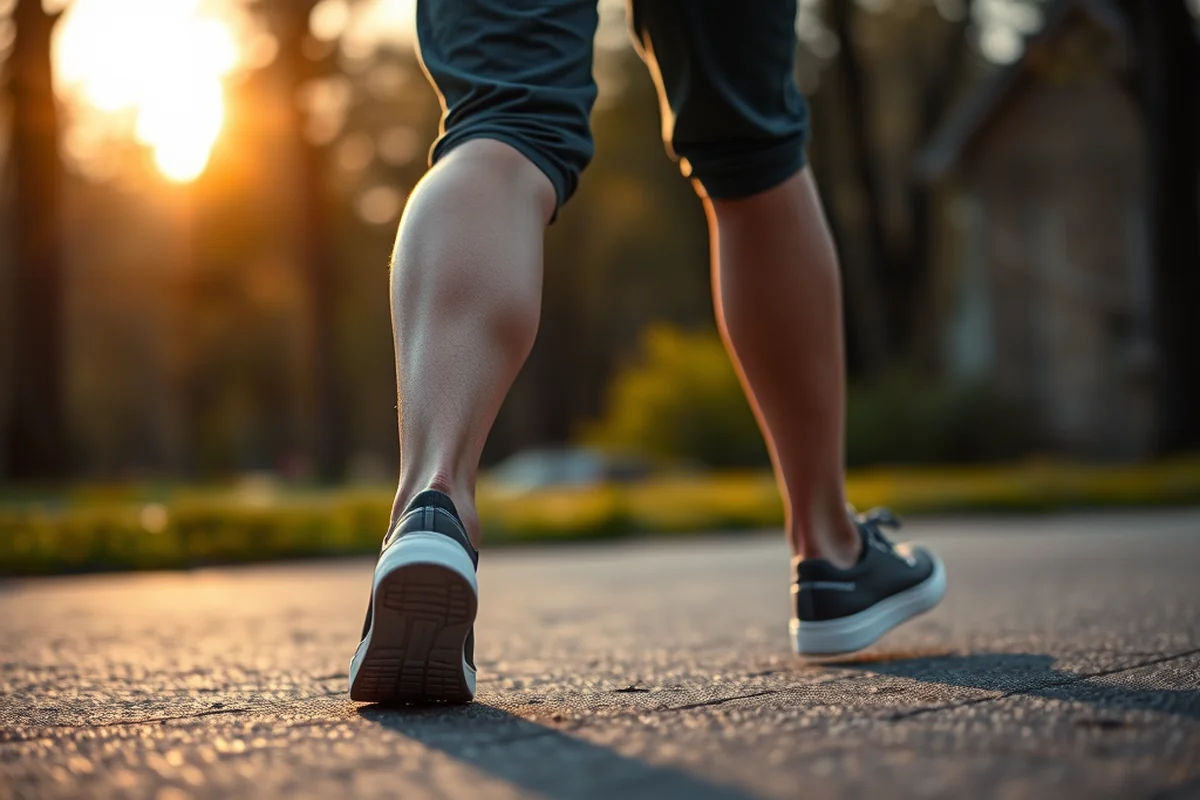
Living with arthritis knee pain means rethinking the way you move your body. Simple tasks like walking, climbing stairs, or even standing for a few minutes can become challenging. I’ve had days where I struggled to walk across the room, and other days where I felt relatively okay. The inconsistency is frustrating, but it’s part of the condition.
I’ve noticed that the pain can also affect your mood and energy levels. On days when the pain is worse, I feel more tired and less motivated to do anything. It’s not just physical pain—it’s emotional too. I’ve had to learn how to pace myself and take breaks when needed, which has been a crucial part of my routine.
In my experience, the most difficult part of living with arthritis knee pain is the unpredictability. You can feel fine one day and in pain the next. This inconsistency can make it hard to plan your day or stay active.
Arthritis knee pain doesn’t just hurt—it changes the way you live.
Related: Gel injections for knee pain
How I Found Relief Through Movement
After years of dealing with arthritis knee pain, I discovered that movement was the key to managing the condition. I started with simple exercises like walking, cycling, and yoga, which helped keep my joints moving without causing further damage. These activities were gentle on my knees but still provided enough challenge to improve my strength and flexibility.
I also incorporated strength training into my routine, focusing on the muscles around my knees. Strengthening the quadriceps and hamstrings helped take some of the pressure off my joints. It was a slow process, but I saw noticeable improvements over time.
One of the most important things I learned was the importance of consistency. I didn’t see immediate results, but over weeks and months, my pain levels decreased and my mobility improved. It wasn’t a magic fix, but it was a step in the right direction.
Find a balance between movement and rest. Overdoing it can worsen the pain, but too much inactivity can lead to stiffness and weakness.
“I remember the first time I felt the sharp, aching pain in my knee that wouldn’t go away.”— Knee Friendly Cardio Routines editors
Related: Knee anatomy diagram
Lifestyle Changes That Helped Me
I’ve found that maintaining a healthy weight has been one of the most effective ways to reduce the strain on my knees. Even a small amount of weight loss can make a noticeable difference in the amount of pressure on the joints. I lost about 15 pounds over a few months, and it significantly reduced my knee pain.[3]
Another change I made was investing in proper footwear. I started wearing shoes with good arch support and cushioning, which helped absorb some of the impact when I walked or stood for long periods. This was a relatively small change, but it made a big difference in my comfort.
I also made sure to take breaks when I was on my feet for extended periods. I started using a standing desk at work and took short walks every hour to keep my joints moving without overexerting them. These simple changes became part of my daily routine and helped me manage the pain more effectively.
Related: Exercise equipment for total knee replacement
How to Modify Daily Activities
One of the biggest challenges of living with arthritis knee pain is figuring out how to modify daily activities without feeling restricted. I’ve learned that small changes, like using a cane or a walking stick, can make a big difference in reducing the strain on the knees. These tools provide stability and help distribute weight more evenly.
I’ve also found that using ergonomic tools around the house can make a difference. For example, using a raised toilet seat or a shower bench reduces the need to squat or bend, which can be painful for people with arthritis knee pain. These modifications are simple but effective.
Another modification I made was focusing on posture and movement patterns. I started being more mindful of how I moved, especially when lifting objects or standing for long periods. This awareness has helped me avoid unnecessary strain on my knees.
Related: Knee pain flexafen
The Role of Heat and Cold Therapy
I’ve found that using heat and cold therapy can be a helpful tool in managing arthritis knee pain. Heat therapy, such as a warm compress or a heating pad, helps relax tight muscles and improve blood flow to the affected area. I’ve used it before bed to help my knees feel more comfortable and less stiff in the morning.
Cold therapy, on the other hand, is useful for reducing inflammation and numbing pain. I’ve used ice packs on my knees after a long day of walking or standing, and it’s been effective in reducing swelling and discomfort. It’s important to use cold therapy in moderation to avoid skin irritation.
I’ve experimented with both methods over the years and found that alternating between them can be the most effective approach. Using heat in the morning and cold therapy in the evening has helped me manage my pain more consistently.
Heat and cold therapy are simple tools that can provide immediate relief for arthritis knee pain.
Related: Anatomy of the knee
The Importance of a Support System
Living with chronic pain can be isolating, but I’ve found that having a support system is crucial. Whether it’s family, friends, or a support group, having people who understand what you’re going through can make a big difference. I’ve found that talking about my pain and experiences with others has helped me feel less alone.
In my own life, having a partner who understands my condition has been a huge help. They’ve supported me through physical therapy, exercise routines, and even simple daily tasks. It’s not always easy, but having someone who’s there for you can make a world of difference.
I’ve also found that joining online communities and support groups has been beneficial. These groups provide a space to share experiences, ask questions, and learn from others who are going through similar challenges. It’s comforting to know that I’m not alone in this journey.
🚶♂️ Beginner-Friendly Routine
A gentle routine for those new to managing arthritis knee pain, focusing on low-impact movements and posture.
💰 Budget-Friendly Approach
A cost-effective strategy that uses household items and free resources to manage arthritis knee pain.
⏳ Fastest Relief Method
A quick fix that uses heat and cold therapy to provide immediate relief for arthritis knee pain.
💪 Advanced Strengthening Routine
An advanced routine that focuses on strengthening the muscles around the knees to reduce the impact of arthritis.
🔄 Maintenance Plan
A long-term maintenance plan that helps keep arthritis knee pain at bay through consistent movement and lifestyle changes.
| The mistake | Why it happens | The fix |
|---|---|---|
| Overdoing it with exercise | Pushing through pain with high-impact activities can worsen arthritis knee pain and lead to further damage. | Opt for low-impact exercises and listen to your body. Take rest days when needed and avoid overexertion. |
| Ignoring pain signals | Ignoring pain signals can lead to more severe issues over time, especially if the pain is due to an underlying condition. | Consult a healthcare professional if your pain is persistent or worsening. Early intervention can help manage the condition more effectively. |
| Not using proper footwear | Wearing improper footwear can increase the strain on the knees and worsen arthritis knee pain. | Invest in shoes with good arch support and cushioning. These features help absorb impact and reduce strain on the joints. |
| Neglecting posture and movement patterns | Poor posture and improper movement patterns can increase the strain on the knees and lead to more pain over time. | Be mindful of how you move, especially when lifting objects or standing for long periods. Practicing good posture can help reduce strain on the joints. |
| Not seeking support | Isolating yourself can make managing arthritis knee pain more difficult and increase stress levels. | Build a strong support system by talking to family, friends, or joining support groups. Having people who understand your condition can provide emotional support and practical help. |
How Is Arthritis Knee Pain
Common Questions
Can exercise worsen arthritis knee pain?
How often should I exercise if I have arthritis knee pain?
What are some safe exercises for arthritis knee pain?
Can weight loss help reduce arthritis knee pain?
References
- Osteoarthritis | Arthritis - CDC (cdc.gov)
- In the United States Court of Federal Claims (ecf.cofc.uscourts.gov)
- Anti-Diabetic Drug, Exercise and Healthy Diet for Knee Osteoarthritis ... (clinicaltrials.gov)
Cite this guide
Knee Friendly Cardio Routines (2026). How Is Arthritis Knee Pain. https://mildwalk.com/how-is-arthritis-knee-pain/
Feel free to cite or share this guide.
Knee-Friendly Cardio Week
A 7-day low-impact cardio schedule with intervals.
Open it free →