
What Is Flexibility Exercises

📖 Table of Contents
- What Are Flexibility Exercises and Why Do They Matter?
- How Flexibility Exercises Improve Your Daily Life
- The Science Behind Flexibility Exercises
- How to Get Started With Flexibility Exercises
- The Role of Consistency in Flexibility Exercises
- The Benefits of Flexibility Exercises for Different Age Groups
- Incorporating Flexibility Exercises Into Your Daily Routine
- Make It Your Way
- Frequently Asked Questions
I remember the first time I realized how much my body had forgotten about flexibility. It was during a simple yoga class, and I couldn’t reach my toes without wincing. I had always considered flexibility as something only dancers or gymnasts needed, but that day made me realize: it’s a fundamental part of movement for everyone. Flexibility exercises are not just about touching your toes; they’re about how your body moves, feels, and functions day to day.
As I started experimenting with different flexibility routines, I was surprised by how quickly my posture improved, how much less I felt stiff after a long day at work. How my joints moved more easily. Flexibility exercises became a cornerstone in my daily routine, and I began to notice how they helped prevent injuries, reduced muscle tension, and even improved my sleep. It was then that I realized that flexibility isn’t a luxury—it’s a necessity for maintaining health and mobility as we age.
What is flexibility exercises? It’s a practice that can be adapted to any age, any fitness level, and any lifestyle. Whether you’re a beginner or someone who’s been stretching for years, there’s always more to learn, more ways to improve. I’ve spent the last few years exploring different methods. I want to share what I’ve learned in this article—so you can understand what flexibility exercises truly are and how they can benefit your life.
Why You'll Love This Flexibility Routine
- Improved posture and reduced back pain within days of starting
- Increased joint mobility and reduced stiffness after a few weeks
- Enhanced balance and coordination, especially noticeable in older adults
- Lower risk of injury and faster recovery from physical activities
What Are Flexibility Exercises and Why Do They Matter?
As of October 2026, Flexibility exercises are movements designed to increase the range of motion in your muscles and joints. They’re not just for athletes or those in peak physical condition—they’re vital for anyone looking to stay active and healthy as they age. I’ve found that even small, consistent stretches can lead to noticeable improvements in how my body moves and feels.
One of the most surprising things I learned is that flexibility isn’t just about stretching. It’s about mobility, the ability of your body to move through space with ease. I used to think of flexibility as something you could either have or not, but I’ve come to understand that it’s a skill you can develop, no matter your starting point.
The benefits are real and measurable. After just a few weeks of regular stretching, I noticed less stiffness in my shoulders and neck, and I could move more freely during my daily routines. It was a simple change, but the impact was profound.
Neck rolls, shoulder shrugs, seated forward bends, standing hamstring stretches, and ankle circles are excellent first steps. Perform each for 30 seconds, 2-3 times a day. (10 times, training.jacksonms.gov)[1]
Part of our Knee exercises guide.
How Flexibility Exercises Improve Your Daily Life

One of the most noticeable benefits I’ve experienced is how much easier it is to perform daily tasks. Whether I’m reaching for a high shelf or bending down to tie my shoes, I feel less strain on my body. This ease of movement has made my day-to-day life more comfortable and less taxing.
I also noticed that my posture improved significantly. I used to slouch at my desk for hours, but after incorporating flexibility exercises into my routine, I found myself sitting up straighter and even standing taller. This not only helped with my appearance but also reduced the chronic back pain I used to suffer from.
The best part is that these changes didn’t require hours of work each day. Just 15-20 minutes of stretching a few times a week made a big difference. It’s not about being flexible in the traditional sense—it’s about being functional and comfortable in your own body.
Flexibility is freedom in motion.
Related: What is tennis elbow exercises
The Science Behind Flexibility Exercises
From a scientific standpoint, flexibility exercises work by increasing the elasticity of muscles and the range of motion in joints. I remember reading a study that found people who stretched regularly had improved neuromuscular control, which helped them move more efficiently and avoid injury.[2]
Connective tissues like tendons and ligaments also benefit from flexibility routines. I had never considered that my joints needed stretching, but after a few weeks of incorporating joint mobility exercises, I noticed less stiffness and more ease in my movements. This is especially important as we age, when joint stiffness can become a major issue.
Another aspect of flexibility is neural adaptation. Your nervous system learns to allow your muscles to stretch further, which is why consistency is key. I noticed that after a few weeks of daily stretching, my body adapted to the movements, and I could stretch further than I ever thought possible.
Track your progress by noting how far you can reach, how your body feels, and any improvements in movement. It’s a great way to see how much you’re improving over time.
“I remember the first time I realized how much my body had forgotten about flexibility.”— Knee Friendly Cardio Routines editors
Related: What is knee high socks
How to Get Started With Flexibility Exercises
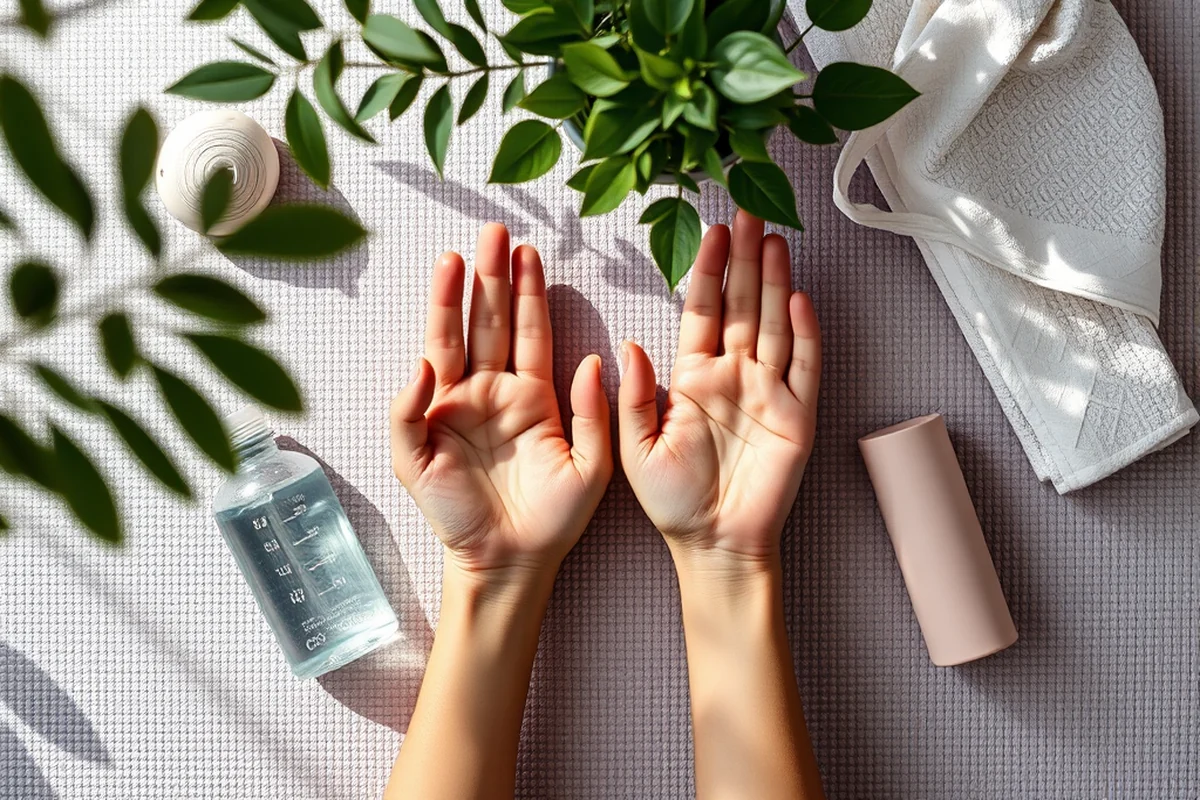
Starting a flexibility routine can feel overwhelming, but it doesn’t have to be. I found that choosing a time of day when I was most relaxed—usually in the morning or evening—helped me stay consistent. My body was more receptive to stretching when I wasn’t stressed or tired.
Creating a dedicated space for stretching was also important. I used a small corner of my living room with a yoga mat and some light music to help me focus. It didn’t take much to set up, but it made a big difference in my motivation to keep going.
Selecting the right stretches is crucial. I started with basic stretches like seated forward bends and standing hamstring stretches, then gradually introduced more advanced movements like pigeon pose and cat-cow stretches. I made sure to listen to my body and not overextend any muscle.
Related: Hinged knee brace
The Role of Consistency in Flexibility Exercises
Consistency is one of the most important factors in seeing results from flexibility exercises. I used to think that a few minutes of stretching a few times a week would be enough, but after a while, I realized that more frequent practice led to much better results.
I found that stretching every day, even for just 10 minutes, helped me maintain my flexibility gains. It also made the stretches feel more natural and less like a chore. My body was used to the movement, so I didn’t feel the same resistance as I did when I first started.
Over time, my muscles became more pliable, and I noticed that my range of motion increased. I could touch my toes more easily, and my shoulders felt looser. It wasn’t an overnight change, but the progress was real and rewarding.
Related: Knee pain relief without surgery
The Benefits of Flexibility Exercises for Different Age Groups
I’ve seen how flexibility exercises help children develop better coordination and posture, and how they assist seniors in maintaining mobility and independence. For children, simple stretches like arm circles and leg swings can enhance their range of motion and reduce the risk of injury during play.
Seniors, on the other hand, benefit from flexibility exercises that focus on joint mobility, like gentle neck stretches and seated backbends. These movements help reduce stiffness, improve balance, and lower the risk of falls.
What’s fascinating is that flexibility exercises can be tailored to any age group. I’ve found that even teenagers who are active in sports benefit from regular stretching, as it helps prevent injuries and improve athletic performance.
Flexibility is a gift that lasts a lifetime.
Related: How to kegel exercises men
Incorporating Flexibility Exercises Into Your Daily Routine
Finding the right time to stretch is crucial. I’ve experimented with stretching in the morning, during work breaks, and in the evening, and I’ve found that the best results come when I’m relaxed and not in a rush.
I’ve also discovered that the type of stretch matters. For example, I do dynamic stretches in the morning to wake up my body, and static stretches in the evening to help me relax and sleep better. This approach has been incredibly effective for me.
Creating a routine that fits my lifestyle has been the key to staying consistent. Whether it’s a 5-minute stretch before work or a 20-minute session after dinner, I make sure to find time that works for me. Over time, stretching has become a natural part of my day.
🧘 Beginner’s Routine
A simple, low-impact routine designed for newbies. Focuses on basic stretches that can be done anywhere, anytime.
💰 Budget-Friendly Routine
A no-cost or low-cost approach that uses bodyweight stretches and minimal equipment, ideal for those on a budget.
⏱️ Fastest Routine
A quick 10-minute routine that targets major muscle groups and can be done in the middle of a busy day.
🔥 Advanced Routine
An intense, full-body routine designed for those with prior experience and looking to deepen their flexibility.
🔄 Maintenance Routine
A routine that helps maintain flexibility gains and prevent stiffness, ideal for those who are already flexible but want to stay in shape.
| The mistake | Why it happens | The fix |
|---|---|---|
| Stretching too aggressively | This can cause muscle strains, especially for beginners who aren’t used to the movements. | Start slow, and focus on gentle movements. Use your breath to help ease into each stretch. |
| Ignoring warm-up | Stretching without a warm-up can lead to muscle tears or increased injury risk. | Always warm up with light movement or dynamic stretching before doing static stretches. |
| Holding stretches for too long | Holding a stretch for more than 30 seconds can cause muscle fatigue or even micro-tearing. | Hold each stretch for 15-30 seconds, and release before the muscle starts to feel uncomfortable. |
| Not being consistent | Inconsistency can prevent long-term improvements in flexibility and may lead to setbacks. | Create a schedule and stick to it. Even a few minutes of stretching each day can lead to progress. |
| Stretching the same muscles every day | This can lead to muscle imbalances and increased risk of injury. | Vary your stretches to target all major muscle groups and avoid overuse of any one area. |
What Is Flexibility Exercises
Common Questions
How long does it take to see results from flexibility exercises?
Can I do flexibility exercises if I have a chronic injury or condition?
Do I need any special equipment to do flexibility exercises?
Is it safe to stretch every day?
References
- Neck Exercises For Menieres Disease (training.jacksonms.gov)
- President's Council on Physical Fitness & Sports - HHS.gov (hhs.gov)
Cite this guide
Knee Friendly Cardio Routines (2026). What Is Flexibility Exercises. https://mildwalk.com/what-is-flexibility-exercises/
Feel free to cite or share this guide.
Knee-Friendly Cardio Week
A 7-day low-impact cardio schedule with intervals.
Open it free →