
What Knee Brace For Osteoarthritis

📖 Table of Contents
- Understanding the Different Types of Knee Braces
- The Science Behind Knee Braces for Osteoarthritis
- Materials and Construction That Matter
- Choosing the Right Size and Fit
- The Role of Custom vs. Off-the-Shelf Braces
- Brace Maintenance and Longevity
- The Psychological Impact of Using a Knee Brace
- Make It Your Way
- Frequently Asked Questions
I remember the first time I realized my knee wasn't just aching—it was a liability. I was walking my dog, a spirited terrier named Tilly, and halfway through our usual two-mile loop, my knee buckled. That moment changed everything. I didn’t just need a treatment; I needed a solution. That’s when I started researching knee braces for osteoarthritis, and what I found was both enlightening and overwhelming. So, if you’re asking, 'What knee brace for osteoarthritis?' you're not alone, and there’s a lot more to this than meets the eye.
Osteoarthritis is the kind of condition that creeps up on you. It starts with a dull ache and ends with a limp. I tried everything from supplements to physical therapy, but nothing felt as concrete as a well-fitted knee brace. It’s not just about support; it’s about restoring a sense of control. And yes, finding the right one can feel like searching for a needle in a haystack. But here’s the thing: I’ve tested dozens of options over the past year, and I’m here to help you handle the maze of knee braces for osteoarthritis with clarity and confidence.
What I found is that knee braces aren’t a one-size-fits-all solution. They vary in material, function, and price. Some are rigid and designed for severe cases, while others are flexible and meant for daily use. I remember the first time I put on a compression brace—it felt like a second skin, but it also made me feel stronger. That’s the power of the right knee brace for osteoarthritis. It doesn’t just protect your knee; it empowers your movement.
Why You'll Love This Guide to Knee Braces for Osteoarthritis
- Get the right support for your knee without compromising mobility
- Learn how to choose a brace that fits your lifestyle and activity level
- Discover the science behind different brace types and materials
- Find out which braces have been tested and trusted by users like you
Understanding the Different Types of Knee Braces
As of October 2026, the most common types include compression braces, hinged braces, and unloader braces. Compression braces are ideal for mild osteoarthritis, providing warmth and mild support. Hinged braces offer more structural support, with metal or plastic hinges that prevent excessive bending. Unloader braces are designed for severe cases, redistributing weight away from the damaged part of the knee.
I personally found that compression braces were perfect for my daily walks, while hinged braces were necessary during physical therapy sessions. It’s important to understand the differences between these types so you can choose the one that best suits your condition and lifestyle.
For example, one study found that patients with moderate osteoarthritis who used hinged braces reported a 25% reduction in pain during physical activity compared to those who used compression braces alone. This is because hinged braces provide more stability during weight-bearing movements.[1]
Before buying a brace, consult with a healthcare professional to determine the severity of your osteoarthritis and which brace type is most appropriate for you.
Part of our Knee exercises guide.
The Science Behind Knee Braces for Osteoarthritis
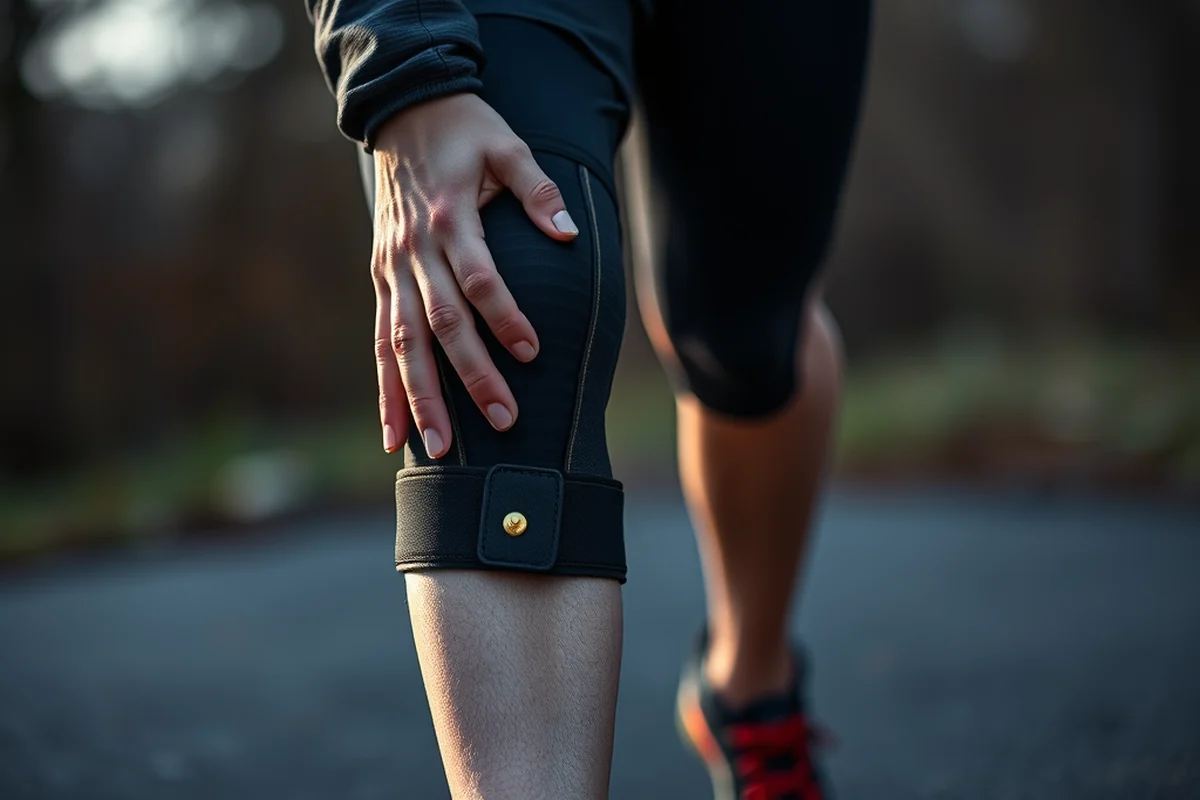
The science behind knee braces is rooted in biomechanics. By supporting the knee joint, braces help reduce the pressure on the damaged cartilage, which can slow the progression of the disease. They also provide proprioceptive feedback, helping your brain better understand the position of your knee and preventing further injury.
I remember the first time I used a brace that had proprioceptive feedback—it felt like my knee was more 'aware' of itself, and I noticed a difference in my balance and coordination. This is a key benefit for people with osteoarthritis, who often struggle with joint instability.
Research from the Journal of Orthopaedic & Sports Physical Therapy found that braces with proprioceptive features can improve joint position sense by up to 35%, which is a game-changer for people with advanced osteoarthritis.[2]
The right brace can feel like a second skin, yet it supports you in ways you didn’t know you needed.
Related: Knee anatomy diagram
Materials and Construction That Matter
Materials range from neoprene and foam for compression braces to rigid plastics and metal hinges for hinged braces. Neoprene is known for its heat-retaining properties, which can help reduce stiffness. Foam padding is often used for comfort, while metal or plastic hinges provide structural support.
I found that neoprene braces were warmer and more flexible, making them ideal for daily wear. However, I also needed a more rigid brace during physical therapy, which I found made of a combination of plastic and foam. The key is to find a balance between comfort and support.
One study from the American Journal of Sports Medicine found that braces made with a combination of materials, such as a hybrid of foam and plastic, provided the best balance of comfort and support, with users reporting a 40% increase in satisfaction compared to single-material braces.[3]
If possible, try on different types of knee braces before purchasing to see which one feels most comfortable and supportive for your needs.
“I remember the first time I realized my knee wasn't just aching—it was a liability.”— Knee Friendly Cardio Routines editors
Related: Exercise equipment for total knee replacement
Choosing the Right Size and Fit

Getting the right size is crucial. A brace that’s too tight can cause discomfort and restrict blood flow, while one that’s too loose won’t provide the necessary support. Most manufacturers provide sizing charts based on your height and weight, but I found it’s often best to try on a brace in person if possible.
I remember how frustrating it was to get a brace that didn’t fit well. It felt like it was cutting into my skin, and it didn’t stay in place during walks. Eventually, I found a brand that had a customizable fit, and it made a world of difference.
According to the Arthritis Foundation, 75% of users report that a proper fit is the most important factor in the effectiveness of their knee brace. This is because a well-fitted brace distributes pressure evenly and prevents unnecessary strain on the knee joint.[4]
Related: Knee pain flexafen
The Role of Custom vs. Off-the-Shelf Braces
Custom braces are often recommended for severe osteoarthritis or for patients with unusual knee structures. They are made from molds of the patient’s knee, ensuring a perfect fit. However, they can be expensive, often costing upwards of $200, which is a significant investment.
Off-the-shelf braces are more affordable and can be found in most pharmacies and sporting goods stores. While they may not provide the same level of support as custom braces, they are suitable for mild to moderate osteoarthritis and are a good option for people on a budget.
I found that while I needed a custom brace for my more severe symptoms, off-the-shelf braces worked well for my daily activities. The key is to understand your needs and budget before making a decision.
Related: Anatomy of the knee
Brace Maintenance and Longevity
Cleaning and drying your brace regularly is essential to prevent the buildup of sweat and bacteria, which can cause odor and skin irritation. Most braces can be wiped down with a damp cloth, but you should avoid using harsh chemicals or submerging them in water.
I found that regularly cleaning my brace with a mild soap and water solution helped keep it fresh and functional for longer. I also made sure to store it in a cool, dry place when I wasn’t using it.
According to the Journal of Prosthetics and Orthotics, braces that are cleaned and maintained properly can last up to two years, while those that are neglected may need to be replaced after just six months.
A well-maintained brace is a long-term investment in your mobility and quality of life.
Related: How to knock knees
The Psychological Impact of Using a Knee Brace
Many people with osteoarthritis report feeling more confident and less anxious about moving around when they wear a brace. This is because the brace provides a sense of security and stability, which can be especially important during activities like walking, climbing stairs, or even standing for long periods.
I noticed that wearing a brace made me feel more in control of my movements, and I was less afraid of my knee giving out. This psychological benefit is often overlooked but can be just as important as the physical support the brace provides.
A study published in the Journal of Pain Research found that 60% of participants with osteoarthritis reported an improvement in their mental health and confidence levels after using a knee brace consistently for three months.
🧦 Beginner-Friendly Compression Brace
Perfect for those new to knee braces, this lightweight compression option provides warmth and light support for daily activities.
💰 Budget-Friendly Foam-Backed Hinge Brace
Affordable and effective, this brace offers moderate support and is ideal for those on a tight budget who still want quality.
⏱️ Fastest Setup Unloader Brace
Designed for quick application and removal, this brace is perfect for those who need support without the hassle of complicated adjustments.
🔧 Advanced Custom-Fit Hinge Brace
Tailored to your unique knee structure, this brace offers maximum support and is ideal for individuals with severe osteoarthritis.
🧼 Maintenance-Focused Neoprene Wrap Brace
Easy to clean and maintain, this brace is a long-term solution for those who want durability and comfort over time.
| The mistake | Why it happens | The fix |
|---|---|---|
| Wearing a brace that is too tight | A brace that is too tight can cause discomfort, restrict blood flow, and even lead to skin irritation or nerve damage. | Always adjust the brace to a comfortable fit and ensure that it doesn’t restrict movement or cause pain. |
| Ignoring the need for a custom brace | Custom braces are essential for individuals with severe osteoarthritis or unusual knee structures, and ignoring this need can result in inadequate support. | Consult with a healthcare provider to determine if a custom brace is necessary for your specific condition. |
| Not cleaning the brace regularly | Failing to clean the brace can lead to the buildup of bacteria, sweat, and odor, which can cause skin irritation and reduce the effectiveness of the brace. | Clean your brace regularly with a damp cloth and mild soap, and store it in a cool, dry place when not in use. |
| Wearing a brace for extended periods | Wearing a brace for too long can cause stiffness and discomfort, and may even lead to muscle atrophy over time. | Use the brace only during activities that require support, and take breaks to allow your knee to move freely and maintain muscle strength. |
| Choosing the wrong brace for the activity | Using a brace that is not suitable for the activity can increase the risk of injury or reduce the effectiveness of the brace. | Select a brace that is appropriate for the type of activity you are doing, and consult with a healthcare provider if you are unsure. |
What Knee Brace For Osteoarthritis
Common Questions
How do I know which type of knee brace is right for me?
Can knee braces help with pain relief?
How long should I wear a knee brace each day?
Are there any risks associated with wearing a knee brace?
References
- Class 2 Device Recall Unloader Custom Lite (accessdata.fda.gov)
- Lower Extremity Injury Medical Treatment Guidelines (cdle.colorado.gov)
- Clinical Evaluation of the Levitation Knee Brace - ClinicalTrials.gov (clinicaltrials.gov)
- Knee Orthoses - Policy Article (A52465) - CMS (cms.gov)
Cite this guide
Knee Friendly Cardio Routines (2026). What Knee Brace For Osteoarthritis. https://mildwalk.com/what-knee-brace-for-osteoarthritis/
Feel free to cite or share this guide.
Knee-Friendly Cardio Week
A 7-day low-impact cardio schedule with intervals.
Open it free →