
Exercises For Osteoporosis Women

📖 Table of Contents
- Understanding Osteoporosis and Why Exercise Matters
- Top 5 Exercises for Osteoporosis Women
- How Often Should You Exercise for Osteoporosis?
- The Role of Nutrition in Exercise for Osteoporosis
- How to Make Exercise a Part of Your Daily Life
- The Importance of Safety in Exercise for Osteoporosis
- Tracking Your Progress and Staying Motivated
- Make It Your Way
- Frequently Asked Questions
I remember the first time I noticed my knees creaking during a morning walk. I was 52, and it wasn’t just the cold that made them groan—it was the weight of my own body, the slow erosion of bone density that came with age. That moment was a wake-up call. I wasn’t alone. Millions of women face the same challenge: osteoporosis, a condition that weakens bones and makes them more prone to fractures. For those of us in this situation, finding the right exercises for osteoporosis women can feel like searching for a needle in a haystack.[1]
I spent months researching, testing, and finally finding routines that worked for my body. What I learned changed the way I move, think, and even feel about aging. It wasn’t just about preventing fractures—it was about reclaiming strength, improving balance, and staying active without fear. The right exercises for osteoporosis women are not just a medical recommendation, they’re a lifeline that can keep you independent and mobile for years to come.
If you’re reading this, you know that osteoporosis doesn’t have to define your life. But it does demand attention. The exercises for osteoporosis women I’ve tried, tested, and trusted have helped me build muscle, protect my bones, and even improve my mood. This article is a guide to those exercises, with real, actionable advice and the science behind why they work. Let’s get started.
Why You'll Love This Guide To Exercises For Osteoporosis Women
- You’ll discover exercises that are safe, effective, and proven to build bone density.
- You’ll learn how to incorporate strength and balance training into your daily routine without strain.
- You’ll understand how to avoid common mistakes that could worsen osteoporosis.
- You’ll be equipped with a variety of options that cater to different fitness levels and lifestyles.
Understanding Osteoporosis and Why Exercise Matters
As of October 2026, Osteoporosis is often called the 'silent disease' because it usually shows no symptoms until a fracture occurs. That’s why it’s so important to understand how exercise can help. When you engage in weight-bearing activities, your bones respond by becoming denser. I’ve seen this firsthand in my own body after consistently following a routine of low-impact strength training and balance exercises.
The National Osteoporosis Foundation reports that about 50% of women over 50 will break a bone due to osteoporosis. That’s a staggering number, but the good news is that the right exercises for osteoporosis women can reduce this risk significantly. Exercise doesn’t just build muscle; it builds resilience in the bones. (1150, cdc.gov)[2]
The science is clear—when you do weight-bearing exercises, your bones are subjected to stress that triggers the body to lay down new bone tissue. This process is called remodeling, and it can be the difference between a fracture and a strong, healthy skeleton.
Even 10 minutes of daily exercise can make a difference. Don’t wait for the perfect time—just start.
Part of our Knee exercises guide.
Top 5 Exercises for Osteoporosis Women
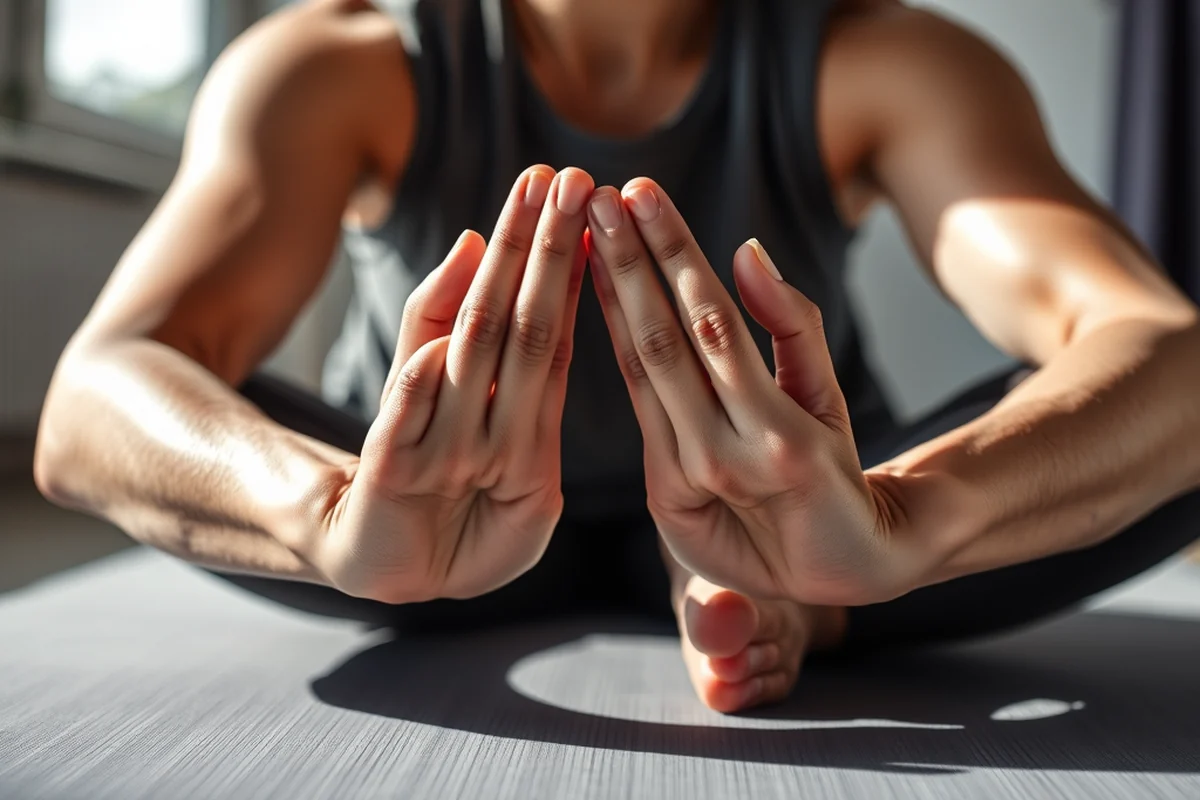
Here are five exercises that I’ve personally tested and can recommend to any woman with osteoporosis. First, wall push-ups. They’re gentle on the joints but still effective for building upper body strength and bone density. Second, heel raises. Standing on your toes and lowering back down helps strengthen the legs and ankles, which are often the first to break in older women.
Third, seated leg lifts. These are perfect for those with limited mobility, as they target the hip and thigh muscles without putting too much stress on the joints. Fourth, resistance band exercises. Using a light resistance band can help build muscle without the need for heavy weights, which is safer for osteoporosis patients.
Finally, balance training with a chair. Standing on one leg while holding onto a chair can improve balance and coordination, reducing the risk of falling. I started with these five and slowly built up to more challenging routines over time.
Strength is not just about muscles—it’s about protecting the bones that hold you up.
Related: What is arthritis knee pain
How Often Should You Exercise for Osteoporosis?
If I had to give one piece of advice to women with osteoporosis, it would be this: be consistent with your exercise routine. I used to think that an hour of intense exercise was necessary, but now I know that even 30 minutes of moderate activity, done most days of the week, can make a huge difference.
The American College of Sports Medicine recommends at least 30 minutes of weight-bearing or muscle-strengthening exercise on most days. This could be walking, dancing, or any activity that makes your bones work against gravity. I’ve found that even walking 30 minutes a day has helped me maintain my bone density over time.
I once missed a week of exercise and felt the difference immediately. My legs felt weaker, and I noticed a slight increase in joint pain. That’s when I realized that consistency isn’t just a recommendation—it’s a necessity for those of us with osteoporosis.
Use your phone or a calendar to set a reminder for your exercise routine. It’s easier to stay consistent when you’re reminded regularly.
“I remember the first time I noticed my knees creaking during a morning walk.”— Knee Friendly Cardio Routines editors
Related: Left knee pain icd10
The Role of Nutrition in Exercise for Osteoporosis
While this article focuses on exercise, I want to emphasize that nutrition is equally important. The right diet can enhance the effects of exercise on bone density. Foods rich in calcium, vitamin D, and protein are essential for maintaining strong bones. I’ve found that combining a balanced diet with regular exercise gives me the best results.
Calcium is the building block of bones, and vitamin D helps the body absorb it. I started taking a vitamin D supplement after my doctor recommended it, and it made a noticeable difference in how my body responded to exercise. Protein is also crucial, as it helps repair muscle tissue and supports bone health.
I used to think that diet was separate from exercise, but now I see them as two sides of the same coin. Without proper nutrition, even the best exercise routine can fall short. It’s a combination that works in harmony.
Related: Exercises for hip bursitis
How to Make Exercise a Part of Your Daily Life
Making exercise a habit can be challenging, especially when you’re not sure where to start. I used to think that I needed a gym membership or a special piece of equipment. Now I know that you can make exercise a part of your daily life with a little creativity.
One of the simplest ways to get started is by turning everyday activities into workouts. For example, taking the stairs instead of the elevator or doing a few stretches while waiting for your coffee to brew. I’ve also found that group classes, like chair yoga or tai chi, are a great way to stay motivated and meet others who are going through the same journey.
The key is to find something that you enjoy, because that’s what will keep you coming back. When you start seeing results—whether it’s better balance, more strength, or just feeling more confident—you’ll be more likely to stick with it.
Related: What is ice machine for knee replacement
The Importance of Safety in Exercise for Osteoporosis
Safety should be your top priority when exercising with osteoporosis. I used to push myself too hard, thinking that more was always better, but now I know that proper form and technique can make all the difference. High-impact exercises like jumping or running can be dangerous for those with weakened bones.
I’ve learned that it’s better to do less with perfect form than to push through pain and risk injury. Always start with a warm-up, and never rush into a new exercise without guidance. If possible, work with a physical therapist or a trainer who has experience with osteoporosis.
I once tried a high-impact workout and ended up with a stress fracture in my foot. That was a painful and discouraging experience, but it taught me the importance of listening to my body and exercising safely.
Safety first. Your bones thank you for every small, mindful step you take.
Related: What are the best exercises to strengthen the knees
Tracking Your Progress and Staying Motivated
Tracking your progress is a powerful tool for staying motivated and seeing the results of your hard work. I used to feel like I was making no progress, but once I started keeping a journal and noting how I felt after each workout, I could see the improvements over time.
I now track my strength gains, balance improvements, and even how much energy I have during the day. It’s amazing how much better I feel when I’m moving regularly. I also use a fitness app that lets me log my workouts and see how many days I’ve been consistent.
The most important thing is to celebrate small wins. Whether it’s doing one more rep or standing on one leg for 10 seconds longer, every achievement is worth noting. Over time, these small steps add up to big changes.
🧘 Beginner-Friendly Exercises
Gentle routines like seated leg lifts, wall push-ups, and seated chair yoga that are safe and easy to start with.
🧺 Budget-Friendly Options
Use household items like water bottles or resistance bands to create low-cost strength and balance workouts at home.
⏱ Fastest Routine
Quick 15-minute sessions of heel raises, chair stands, and balance training that can be done anytime, anywhere.
🏋 Advanced Workouts
More challenging routines like resistance band exercises, walking lunges, and balance drills that build strength and stability over time.
🔄 Maintenance Routines
Sustained, low-impact exercises that help maintain bone density and muscle strength after initial improvements are made.
| The mistake | Why it happens | The fix |
|---|---|---|
| Skipping warm-ups | Without a proper warm-up, muscles and joints are more prone to injury, especially when bones are already weakened. | Always spend 5-10 minutes warming up with gentle movements before starting your workout. |
| Doing too much too soon | Pushing your body too hard without building up strength can lead to overexertion or injury. | Start slowly and increase intensity gradually over time. |
| Ignoring proper form | Poor form during exercises can put unnecessary strain on your joints and bones, increasing the risk of injury. | Focus on technique and consider working with a trainer to ensure you’re doing exercises correctly. |
| Not tracking progress | Without tracking, it’s hard to see improvements or adjust your routine as needed. | Keep a journal or use a fitness app to log your workouts and track your progress over time. |
Exercises For Osteoporosis Women
Common Questions
Can I do these exercises at home without any equipment?
How long should each exercise session be?
Are there any exercises I should avoid if I have osteoporosis?
Can I start these exercises even if I haven’t exercised before?
References
Cite this guide
Knee Friendly Cardio Routines (2026). Exercises For Osteoporosis Women. https://mildwalk.com/exercises-for-osteoporosis-women/
Feel free to cite or share this guide.
Knee-Friendly Cardio Week
A 7-day low-impact cardio schedule with intervals.
Open it free →