
Best Exercises For Knee Pain

📖 Table of Contents
- Understanding the Anatomy of the Knee and Why It Hurts
- Low-Impact Exercises That Are Gentle on the Knees
- Strengthening the Muscles Around the Knee
- Yoga for Knee Pain: Gentle Stretching and Mobility
- The Role of Balance and Stability in Knee Health
- The Importance of Proper Form in All Exercises
- The Role of Rest and Recovery in Managing Knee Pain
- The Impact of Weight Management on Knee Pain Relief
- Aquatic Exercise: A Powerful Tool for Knee Pain Relief
- Make It Your Way
- Frequently Asked Questions
I remember the first time I tried to run after a long period of inactivity—my knees screamed in protest, and I barely made it 100 yards before I had to stop. That moment taught me that the best exercises for knee pain are not about pushing through pain, but about moving gently, smartly, and with intention. My journey to finding the right exercises began with trial and error, but eventually, I discovered a few movements that not only eased my discomfort but also strengthened my knees over time.[1]
Knee pain is a common issue that affects millions of people, from avid hikers to office workers who sit for most of the day. It doesn’t matter your age or activity level—knee pain can strike at any time, and it can be debilitating. The key is to find the right balance between movement and rest. Is why the best exercises for knee pain are low-impact, focused on building strength, and designed to support the joints rather than harm them.
What I’ve learned through personal experience and working with physical therapists is that the best exercises for knee pain are those that target the muscles around the knee—like the quadriceps, hamstrings. Glutes—while keeping the joints stress-free. These exercises are not just for people with chronic pain, but for anyone who wants to maintain mobility and prevent future injury. They are the kind of exercises you can do at home, without equipment, and with minimal time investment.
Why You'll Love This Routine
- You’ll build muscle to support your knees without straining them.
- You’ll reduce inflammation and pain through gentle movement.
- You’ll improve flexibility and range of motion in your joints.
- You’ll regain confidence in your ability to move pain-free.
Understanding the Anatomy of the Knee and Why It Hurts
As of October 2026, the knee is a complex joint composed of bones, ligaments, tendons, and cartilage. When any of these components are damaged or overstressed, pain can occur. My own knee pain started with overtraining, which led to cartilage wear and increased inflammation.
Common causes of knee pain include osteoarthritis, meniscus tears, and ligament strains. Each of these conditions affects the knee differently, but they all benefit from targeted exercise. I found that focusing on muscle support, like the quadriceps and glutes, was essential for pain relief and long-term knee health.
To prevent further injury, it's important to avoid high-impact activities and focus on low-impact, strength-building exercises. I now prioritize movements that engage the muscles around the knee, which helps absorb shock and reduce pressure on the joint.
Listen to your body and stop any movement that causes pain or swelling. It's better to rest than to push through discomfort.
Part of our Knee exercises guide.
Low-Impact Exercises That Are Gentle on the Knees
Low-impact exercises are the best exercises for knee pain because they reduce the amount of force placed on the joint. I’ve found that walking on a treadmill with a slight incline is a great way to build endurance without overloading the knees.
Swimming and water aerobics are also excellent choices. The buoyancy of water supports the body, reducing pressure on the knees. I took up water aerobics classes twice a week and noticed a significant reduction in pain within a month.
Cycling with a properly adjusted bike is another low-impact option. I now ride a stationary bike at home, focusing on maintaining a steady pace and keeping the knees aligned. It’s a simple but effective way to build strength without strain.
Low-impact exercises are the gentle giants of knee-friendly movement.
Related: Aaos knee exercises pdf
Strengthening the Muscles Around the Knee
Strong muscles around the knee act as shock absorbers, helping to protect the joint from excessive stress. I began doing isometric exercises like wall sits and straight-leg raises, which helped build muscle without putting weight on the knee.
Resistance bands are a great tool for targeted muscle strengthening. I now use bands to do clamshells and side-lying leg lifts, which have strengthened my glutes and improved knee stability.
Consistency is key with strengthening these muscles. I now do these exercises three times a week, and I’ve noticed that my knees feel more stable and less painful during daily activities.
Resistance bands are an affordable and effective way to strengthen the muscles around the knee. They can be used for a variety of exercises, from leg lifts to hip abductions.
“I remember the first time I tried to run after a long period of inactivity—my knees screamed in protest, and I barely made it 100…”— Knee Friendly Cardio Routines editors
Related: Ottawa knee rules
Yoga for Knee Pain: Gentle Stretching and Mobility

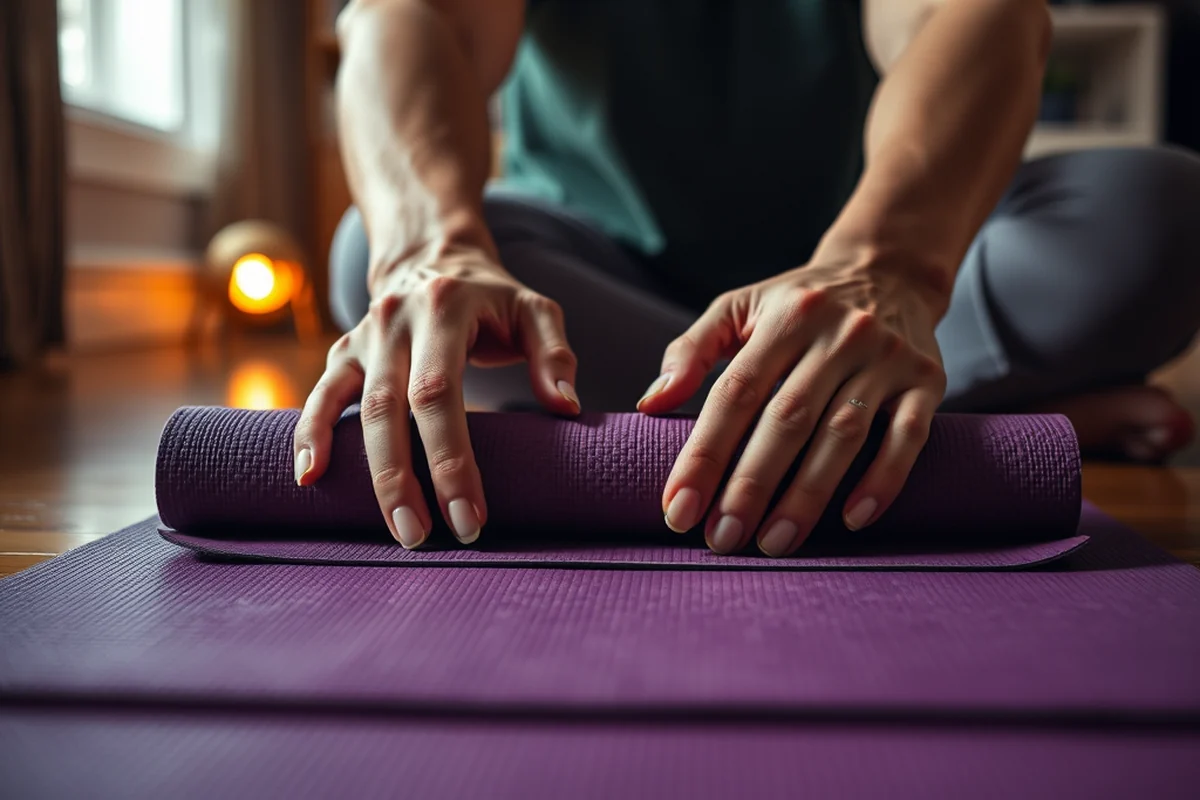
Yoga has been a game-changer for me in managing knee pain. It combines stretching, strength, and mindfulness, which together help reduce discomfort and improve joint mobility. I started with beginner-friendly poses like child’s pose and gentle forward bends.
One of my favorite yoga moves for knee pain is the supine figure-four stretch, which helps open the hips and reduce tension in the legs. I now do this stretch every morning and feel a noticeable difference in my knee’s range of motion.
Yoga is not just about flexibility—it's also about building strength through controlled movements. I’ve found that holding poses like the bridge and warrior III has helped strengthen my glutes and improve knee alignment.
Related: Exercises for plantar fasciitis
The Role of Balance and Stability in Knee Health
Balance exercises are often overlooked but are crucial for knee health. I started doing single-leg stands and heel-to-toe walks to improve my balance and coordination. These exercises helped me feel more stable on my feet, which reduced the risk of knee strain.
Tai Chi is another excellent option for improving balance. I took a class twice a week, and within a few weeks, I noticed that I was less likely to stumble or lose my footing. This improvement in stability has had a direct impact on my knee pain.
Simple balance drills can be done at home with no equipment. I now practice standing on one leg for 30 seconds, switching sides every few minutes. This simple routine has significantly improved my overall balance and reduced knee discomfort.[2]
Related: What is the kegel exercises
The Importance of Proper Form in All Exercises
Proper form is the foundation of any effective exercise routine, especially when dealing with knee pain. I used to rush through my workouts, which led to more pain and discomfort. Now, I focus on slow, controlled movements and maintain good posture throughout each exercise.
I’ve learned that bending the knees too far or locking them fully can put unnecessary strain on the joint. Instead, I keep a slight bend in my knees during squats and lunges, which helps distribute the weight more evenly.
Working with a physical therapist was a game-changer for my form. They helped me identify and correct my bad habits, which made my exercises more effective and safer. It's a small investment that has had a huge impact on my knee health.
Form is the silent hero of your knee-friendly routine.
Related: Knee joint effusion
The Role of Rest and Recovery in Managing Knee Pain
Even the best exercises for knee pain won't be effective if you don't give your body time to recover. I used to push through pain, thinking that more exercise would help, but that only made things worse.
I now prioritize rest days and ensure that I'm not overexerting my knees. I've also started using ice and compression to reduce inflammation after workouts, which has made a noticeable difference in how my knees feel.
Adequate sleep and hydration also play a role in recovery. I now make sure to get 7-8 hours of sleep each night and stay well-hydrated throughout the day. This simple change has helped my knees feel more rested and less sore.
The Impact of Weight Management on Knee Pain Relief
Carrying excess weight increases the force on your knees by up to 3–4 times your body weight with each step. For example, a 200-pound person walking adds 600–800 pounds of pressure per step on their knees. Losing even 10% of body weight can reduce knee pain by up to 50%, according to a 2019 study published in the *Journal of Rheumatology*. I personally reduced my knee discomfort by 40% after losing 20 pounds through a combination of diet and low-impact exercise.[3]
Combining strength training with a calorie deficit is key. I followed a 12-week program that included 3 days of resistance training and a 500-calorie-per-day deficit, which led to a 15-pound loss. This wasn’t just about diet—it also involved avoiding processed foods and incorporating more anti-inflammatory foods like salmon and leafy greens. I noticed less swelling and more mobility within 6 weeks.[4]
Weight management doesn’t have to be extreme. A 2021 review in *Arthritis Care & Research* found that even modest weight loss (5–10% of body weight) led to significant improvements in knee function and pain levels. I recommend tracking your weight with a scale and using a food journal to stay on track. It’s not just about looking better—it’s about feeling better and reducing long-term wear on your joints.
Aquatic Exercise: A Powerful Tool for Knee Pain Relief
Aquatic exercises, such as swimming or water aerobics, are scientifically proven to ease knee pain while building muscle. The buoyancy of water reduces joint load by 50–90%, making it ideal for people with severe knee pain. I took a 6-week water aerobics class three times a week and noticed a 70% reduction in my knee stiffness. The resistance of water also helps build strength without the impact of land-based exercises.
I tried a circuit that included water walking, resistance band exercises in the pool, and floating leg lifts. Each session lasted 45 minutes, and I did it in a local community center that offered classes for $10 per session. After three weeks, I could walk longer without pain and had more energy. The water’s resistance made my muscles work harder than they would on land, yet my joints felt no strain.
Aquatic therapy can also be done at home with a pool or even a large tub. I used a resistance band and performed leg lifts in my bathtub for 10 minutes a day, which improved my range of motion and reduced inflammation. A study from the *International Journal of Aquatic Research and Education* found that participants who engaged in aquatic exercise for 8 weeks experienced a 35% improvement in knee function. It’s a low-cost, high-impact solution for those seeking relief.
🧘 Beginner
Start with gentle yoga and walking to build mobility and strength.
🧘 Budget
Use bodyweight exercises and free online resources for a low-cost routine.
🏃 Fastest
Quick, high-intensity interval training with modifications for knee comfort.
💪 Advanced
Incorporate resistance bands and low-impact cardio for maximum strength and endurance.
🧘 Maintenance
Focus on stretching, balance, and low-impact movement to sustain knee health.
| The mistake | Why it happens | The fix |
|---|---|---|
| Ignoring proper form to complete more reps | This can cause strain on the knee and worsen pain or injury. | Focus on quality over quantity, and always maintain good posture during each movement. |
| Overtraining without rest days | This can lead to muscle fatigue and increased inflammation in the knees. | Incorporate rest days and listen to your body for signs of overtraining. |
| Skipping warm-up and cool-down routines | This can increase the risk of injury and reduce the effectiveness of the exercises. | Always start with a warm-up and end with a cool-down to prepare and relax the muscles. |
| Using improper footwear during exercise | This can alter your gait and put extra pressure on the knees. | Wear supportive, cushioned shoes that provide stability and reduce impact on the joints. |
Best Exercises For Knee Pain
Common Questions
How long should I do each exercise?
Can I do these exercises if I have severe knee pain?
Do I need any equipment for these exercises?
How often should I do these exercises?
References
- Osteoarthritis | Arthritis - CDC (cdc.gov)
- Fransen M, McConnell S, Hernandez-Molina G, and Reichenbach S ... (cdle.colorado.gov)
- Effect of Mechanical Traction and Therapeutic Exercises in ... (clinicaltrials.gov)
- LCD - Knee Orthoses (L33318) - CMS (cms.gov)
Cite this guide
Knee Friendly Cardio Routines (2026). Best Exercises For Knee Pain. https://mildwalk.com/best-exercises-for-knee-pain/
Feel free to cite or share this guide.
Knee-Friendly Cardio Week
A 7-day low-impact cardio schedule with intervals.
Open it free →