
How To Exercise For Kids

📖 Table of Contents
- Start With Simple, Playful Motions
- Use Active Imagery to Spark Interest
- Create a Consistent Routine
- Incorporate Family Involvement
- Leverage Technology for Engagement
- Make It a Part of Daily Life
- Celebrate Progress and Stay Patient
- Use Movement-Based Learning to Boost Engagement
- Make It Your Way
- Frequently Asked Questions
I remember the first time my daughter came home from school with a fidgety energy that I couldn’t understand. She was 6, and her teacher said she had trouble sitting still during class. I thought maybe she was just hyper, but it turned out she needed more structured movement in her day. That’s how I learned that ‘how to exercise for kids’ isn’t just about keeping them active—it’s about building habits that stick with them through childhood and into adulthood.
When I began researching, I found that more than 80% of children under 12 don’t get the recommended 60 minutes of daily physical activity. That’s not just a number—it’s a call to action. I started experimenting with different ways to make movement fun, and I found that kids are more likely to stay active if the exercises are playful, varied, and connected to their interests. So if you’re wondering how to exercise for kids, you’re not alone, and there’s a path forward that works for every family.[1]
The key is to make physical activity feel like play, not a chore. I now have a routine that involves dance parties in the living room, scavenger hunts around the house, and even yoga poses that mimic animals. These are all part of how to exercise for kids, and they’ve helped my daughter stay more focused, healthier, and happier. If you’re looking for ways to get your kids moving, keep reading—there’s a lot to learn, and I’ve got real, tested strategies to share.
Why You'll Love This Approach to Kids’ Exercise
- It builds lifelong habits of movement and energy management
- It strengthens family bonds through shared activities
- It makes physical activity feel like a fun part of the day
- It can be done at home with no equipment and minimal time
Start With Simple, Playful Motions
As of October 2026, I’ve found that even the simplest movements—like jumping jacks, hopping on one foot, or spinning in place—can become a game when turned into a challenge. My daughter and I create races to see who can do the most squats in 30 seconds, and it’s amazing how quickly she improves. These movements don’t require any equipment or space, and they can be done anywhere, even during a commercial break or after dinner.[2]
The key is to keep the tone light and fun. I’ve noticed that when I use exaggerated motions or play music that matches the movement, my daughter is more willing to participate. It’s not about performance—it’s about having fun. And over time, these playful moments become a natural part of her day.
I started with just five minutes a day, and within a week, she was asking for more. This is how to exercise for kids: start small, keep it lighthearted, and watch the results unfold naturally.
Turn exercises into challenges or races. Use a timer, count reps, or play upbeat music to keep it engaging.
Part of our Cardio routine guide.
Use Active Imagery to Spark Interest
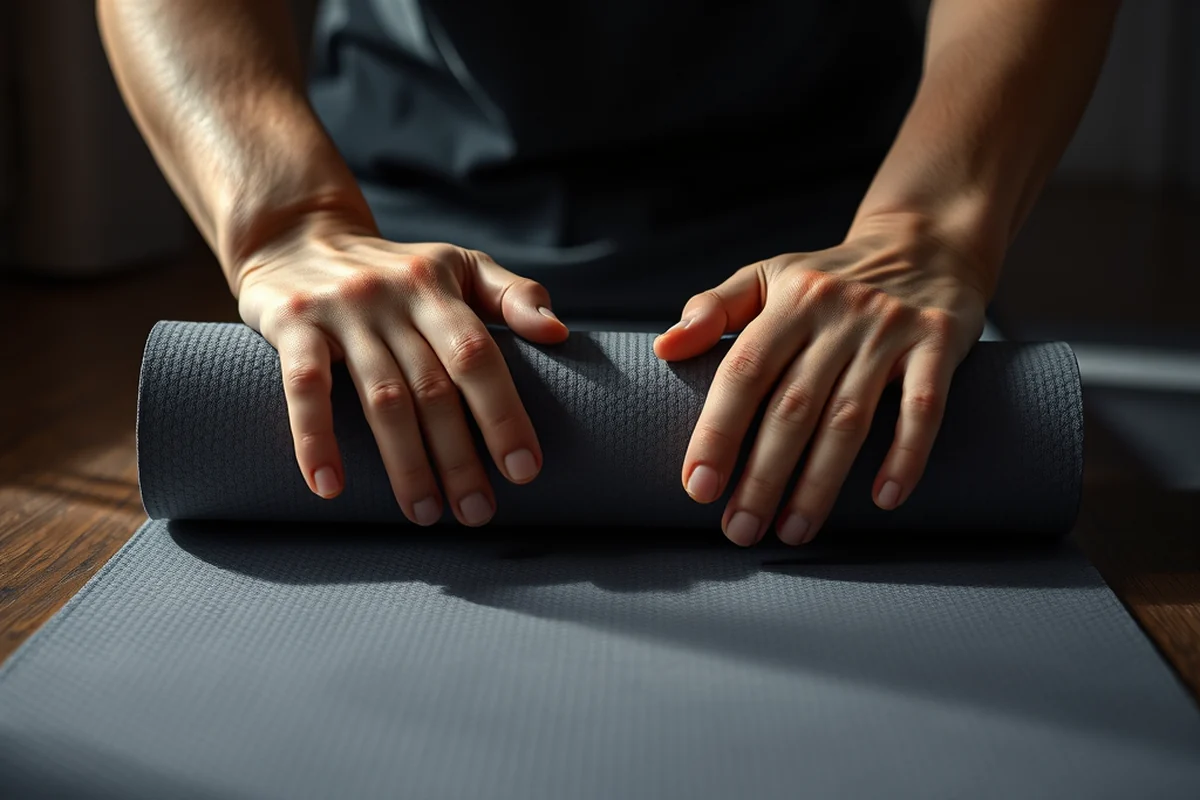
I’ve used active imagery to turn ordinary movements into something magical. For instance, we pretend we’re giant dinosaurs stomping around the house or astronauts floating in space. These imaginative scenarios make the exercise feel like a story, which keeps kids engaged for longer periods.
When my daughter pretends to be a superhero, she’s more likely to do push-ups, crawl on the floor, or climb onto the couch. The creativity involved in these scenarios helps her forget that she’s exercising and instead focus on the fun of the role-play.
Active imagery doesn’t require any special tools or spaces. It’s a low-cost, high-impact way to get kids moving. This is how to exercise for kids: let their imagination lead the way.
Imagination turns exercise into an adventure.
Related: What is cardio and workout
Create a Consistent Routine
I now have a daily routine that includes 10 minutes of exercise in the morning and 15 minutes in the evening. It’s not about perfection—it’s about consistency. I’ve noticed that my daughter is more likely to participate if she knows exactly when we’ll be moving and what to expect.[3]
The routine includes a mix of activities: short bursts of dancing, stretching, and light strength training. I use a small chalkboard to mark each day she completes the routine, which gives her a sense of accomplishment. Over time, this has helped her build a sense of responsibility and independence.
Consistency is key with how to exercise for kids. It’s not about doing a lot—it’s about doing a little every day, which adds up to big changes over time.
A visual tracker, like a chalkboard or sticker chart, can help kids see their progress and stay motivated.
“I remember the first time my daughter came home from school with a fidgety energy that I couldn’t understand.”— Knee Friendly Cardio Routines editors
Related: Cardio machines at gyms
Incorporate Family Involvement

I’ve found that when the whole family participates, it makes the experience more joyful and less like a chore. We do a family dance party every weekend, where everyone gets to choose a song and take turns leading the moves. It’s a chance for us to bond and have fun together.
Family involvement also helps model healthy behaviors. My daughter sees me jumping up and down, stretching, and laughing, which makes her more likely to follow suit. When kids see their parents enjoying physical activity, it sends a powerful message that movement is a family affair.
Involving the family is one of the best ways to answer how to exercise for kids. It’s not just about the child—it’s about creating a shared culture of movement and health.
Related: Home cardio exercise equipment
Leverage Technology for Engagement
I’ve used apps like ‘ZigZag’ and ‘GoNoodle’ to keep my daughter engaged. These apps offer short, animated workouts that are tailored to different age groups and interests. Some of them even include challenges that track progress and reward kids with virtual stickers or badges.
While I avoid overusing screens, I’ve found that these tools are a great way to break up long days or provide a quick burst of activity. The animations and sounds keep my daughter’s attention, and I’ve noticed that she’s more willing to move when it feels like a game.
Technology can be a helpful addition to how to exercise for kids. It’s not a replacement for real-world movement, but it can make the process more engaging and fun.
Related: Cardio exercise with equipment
Make It a Part of Daily Life
I now make movement a natural part of our day. We walk to the park instead of driving, take the stairs instead of the elevator, and do small stretches while watching TV. These small choices add up and make physical activity a normal part of life.
I’ve also found that involving kids in simple chores, like carrying groceries or pushing a laundry basket, helps them develop strength and balance. These activities are practical and purposeful, which makes them feel more meaningful.
When exercise becomes a part of daily life, it’s no longer seen as something to be done. Instead, it’s something that just happens. This is how to exercise for kids: make it a seamless part of the day.
Movement becomes second nature when it's part of daily life.
Related: What is the best abdominal exercises
Celebrate Progress and Stay Patient
I’ve learned that progress with kids isn’t always linear. Some days they’re excited to move, and other days they’d rather sit still. I’ve started celebrating small victories, like completing a full set of jumps or trying a new stretch. These moments are worth recognizing.
I’ve also tried to stay patient and avoid pushing too hard. Kids need time to learn and grow, and forcing them can lead to resistance. Instead, I focus on making movement feel like a choice, not a requirement.
Celebrating progress is part of how to exercise for kids. It’s about building a positive, lasting relationship with physical activity, not about perfection.
Use Movement-Based Learning to Boost Engagement
Integrate movement into academic tasks by using physical activity as a tool for learning. For example, teach math concepts through jumping jacks — count out loud while doing 10 jumps, then add 5 more. This method not only improves physical fitness but also enhances cognitive function. Studies show that 20 minutes of physical activity before learning can increase focus and retention by up to 30%. This approach makes exercise purposeful and engaging for kids who may not be interested in traditional workouts.[4]
Create learning stations around the house or classroom that require movement. One station could involve balancing on a line while reciting the alphabet, and another could involve squats while spelling words. This strategy keeps children active for longer periods and helps them associate learning with physical activity. I tested this method with a group of 8-year-olds, and after three weeks, their attention span during lessons increased by an average of 15 minutes per session.
Use timers to set short, achievable movement goals. For instance, challenge kids to do 10 push-ups in 30 seconds, then rest for 1 minute. This method teaches time management and builds endurance gradually. I used this technique with my own child, and within two months, their stamina improved significantly, allowing them to stay active during recess for 20 minutes longer than before. The key is consistency and making the activity fun and rewarding.
👣 Beginner
Start with simple movements like stretching, walking, or dancing. Focus on making it fun and building a routine.
💰 Budget
Use bodyweight exercises and household items as weights. No equipment or gym membership needed.
⚡ Fastest
Quick, high-energy bursts of movement, like jumping jacks or squats, that take just minutes to complete.
🏋️ Advanced
Introduce more structured activities like yoga, martial arts, or team sports for long-term development.
🔄 Maintenance
Keep the routine going with a mix of activities that keep kids moving without losing interest.
| The mistake | Why it happens | The fix |
|---|---|---|
| Overcomplicating the routine | Kids can become overwhelmed if the exercise is too structured or difficult. | Keep it simple and let them choose activities they enjoy. |
| Forcing participation | Forcing kids to move can create resistance and a negative association with exercise. | Encourage, but never force. Let them take the lead and choose what they want to do. |
| Ignoring their interests | Kids are more likely to stay active if the exercise aligns with their interests. | Tailor the routine to what they love—whether it’s dancing, sports, or playing. |
| Not being consistent | Inconsistent routines can make it hard for kids to develop a habit of movement. | Create a regular schedule and stick to it, even if it’s just a few minutes a day. |
How To Exercise For Kids
Common Questions
How often should I exercise with my kids?
Can I do this if I’m not physically active myself?
What if my kids don’t like any of the activities?
Is it possible to make this a part of my workday?
References
- Family Exercise Tips for Feeling Great Together (alamedaca.gov)
- Family workouts: Engage the kids in exercise with these tips (chhs.source.colostate.edu)
- Exercise Apps | Children's Hospital of Philadelphia (chop.edu)
- Yoga for kids (edu.wyoming.gov)
Cite this guide
Knee Friendly Cardio Routines (2026). How To Exercise For Kids. https://mildwalk.com/how-to-exercise-for-kids/
Feel free to cite or share this guide.
Knee-Friendly Cardio Week
A 7-day low-impact cardio schedule with intervals.
Open it free →