
What Is Workout Exercises

📖 Table of Contents
- What Exactly Are Workout Exercises?
- The Science Behind Workout Exercises
- How to Choose the Right Workout Exercises for You
- The Benefits of Consistent Workout Exercises
- How to Track Your Progress with Workout Exercises
- Avoiding Burnout with Workout Exercises
- Incorporating Workout Exercises into Your Daily Life
- Make It Your Way
- Frequently Asked Questions
The first time I truly understood what workout exercises were, I was standing in a gym, drenched in sweat and completely unsure where to begin. I had read about them in magazines, heard them discussed in health circles, but nothing prepared me for the physical and mental intensity of actually doing them. That day, I learned that workout exercises are not just about lifting weights or running on a treadmill — they're a deliberate, structured way to move your body toward better health, strength, and resilience.[3]
For years, I had assumed that 'workout exercises' were a vague concept, something that only athletic people could do and that required expensive equipment or a lot of time. But after that first session, I realized that workout exercises can be tailored to fit any lifestyle, any fitness level, and any goal. They are about progress, not perfection. Whether you're walking around the block or lifting heavy weights, every movement you make is a workout exercise that contributes to your overall well-being.[4]
Now, as someone who has explored countless workout routines over the years — from high-intensity interval training to yoga — I can confidently say that workout exercises are more than just a trend. They are a way of life, a tool for building strength, endurance, and mental clarity. The key is to understand what they are, how they work, and how you can make them part of your daily routine in a way that feels sustainable and rewarding.
Why You'll Love This Guide to Workout Exercises
- Gain clarity on what workout exercises actually are and how they can be tailored to your lifestyle.
- Discover practical, real-world examples of workout exercises that work for all fitness levels.
- Avoid common mistakes that beginners and even experienced exercisers often make.
- Learn how to track progress and stay motivated with consistent workout routines.
What Exactly Are Workout Exercises?
As of October 2026, at their core, workout exercises are intentional physical activities that aim to improve your body's function. This can include everything from strength training to cardiovascular workouts, and they can be tailored to fit your unique needs and goals. Whether you're aiming to build muscle, lose weight, or simply feel more energized, workout exercises are the foundation of any fitness journey.
What makes workout exercises unique is their structure. Unlike random physical activity, such as walking for fun or playing a sport, workout exercises are typically planned, with specific goals in mind. This planning ensures that each movement contributes to a broader objective, whether it's building endurance, improving flexibility, or enhancing coordination.
I remember when I first started doing workout exercises with a trainer — I was surprised at how specific each movement had to be. For example, when I was told to perform a squat, it wasn't just about lowering my body to the ground. It was about maintaining proper form, engaging the right muscles, and breathing in a way that supported the movement. That attention to detail made all the difference in the long run.
Begin with a few simple workout exercises and focus on form rather than intensity. Even small, consistent movements can lead to long-term results.
Part of our Cardio routine guide.
The Science Behind Workout Exercises
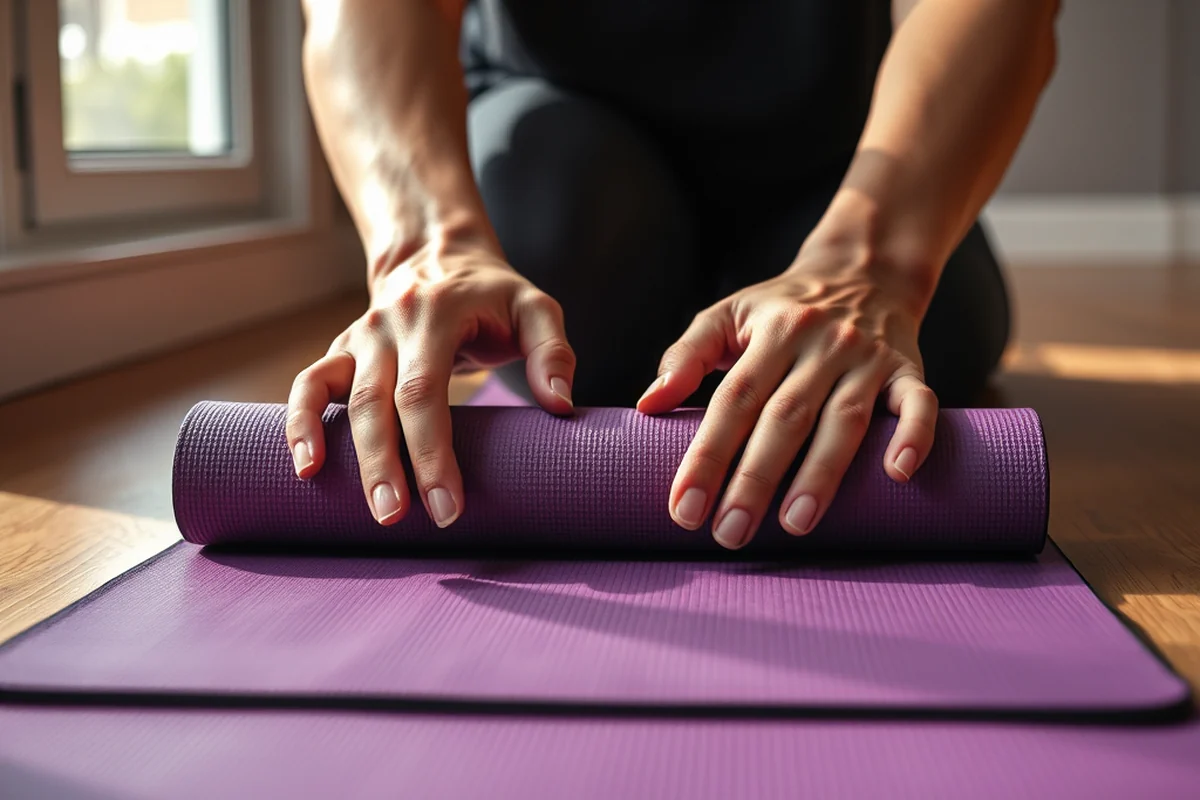
From a scientific perspective, workout exercises trigger a cascade of biological responses. When you move your body in a specific way — like lifting weights or running — your muscles contract, your heart rate increases, and your body releases endorphins. These responses not only make you feel good in the moment but also lay the groundwork for improved strength, endurance, and overall health.
Research has shown that even short, high-intensity workout exercises can have significant benefits. For example, a study published in the *Journal of Strength and Conditioning Research* found that just 20 minutes of high-intensity interval training three times a week can improve cardiovascular health and increase muscle mass in as little as six weeks.[1]
I was skeptical at first when my trainer told me that even short workout sessions could have a lasting impact. But after just three weeks of doing short, focused workouts, I noticed a difference in my stamina and how I felt after a long day at work. It was a tangible reminder that workout exercises are not about quantity, but quality.
The body adapts to the demands you place on it — that's the science of workout exercises.
Related: Dumbbell chest exercises
How to Choose the Right Workout Exercises for You
One of the most important things I learned about workout exercises is that there's no one-size-fits-all approach. What works for someone else might not work for you. Choosing the right exercises means taking the time to assess your fitness level, your goals, and your lifestyle. For example, if you have a busy schedule, you might prefer short, high-intensity workouts, while someone with more time can explore longer, more varied routines.
I once tried a full-body strength training program, only to find that it was too intense for my level. My muscles were sore for days, and I was discouraged. Eventually, I realized that starting with a more manageable routine — like bodyweight exercises or light resistance training — was the key to staying consistent and avoiding burnout.
It's also important to consider how your body feels during and after a workout. If you're experiencing pain or fatigue that doesn't go away, it might be a sign that you need to adjust your exercises or consult with a professional.
If a workout exercise causes pain or excessive fatigue, take a break and reassess. Your body is your best guide when it comes to choosing the right exercises.
“The first time I truly understood what workout exercises were, I was standing in a gym, drenched in sweat and completely unsure where to begin.”— Knee Friendly Cardio Routines editors
Related: Cardio machines in a gym
The Benefits of Consistent Workout Exercises

The benefits of regular workout exercises are both physical and mental. Physically, they can improve your strength, increase your endurance, and help you maintain a healthy weight. Mentally, they can reduce stress, improve mood, and enhance cognitive function. These benefits are not just theoretical — they’re supported by real-life results from people who stick to their workout routines.
I've noticed that when I consistently do my workout exercises, I feel more energized throughout the day. Even on days when I don't feel like working out, I find that I push through, and the results are worth it. Over time, I've built muscle, increased my stamina, and even noticed improvements in my posture and balance.
One of the most surprising benefits I've experienced is better sleep. I used to struggle with insomnia, but after incorporating regular workout exercises into my routine, I found that I was falling asleep more easily and waking up feeling more refreshed.
Related: The best stomach exercises
How to Track Your Progress with Workout Exercises
Tracking your progress is an essential part of any workout routine. Whether you're counting repetitions, measuring how far you can run, or using technology to monitor your heart rate, tracking gives you a sense of accomplishment and helps you stay on track.
I started using a fitness app to track my workout exercises, and it made a huge difference. I could see how many calories I burned, how long I lasted on a treadmill, and how much weight I was lifting. It was empowering to see that my efforts were paying off.
One of the best ways to track progress is to take photos of your body at regular intervals. This allows you to see changes over time and stay motivated. It also helps you recognize that progress isn't always linear — there will be ups and downs, but consistency is key.
Related: What is cardio and workout
Avoiding Burnout with Workout Exercises
Burnout is a common issue for people who get too focused on their workout routines. It can lead to physical exhaustion, mental fatigue, and even injury. The key to avoiding burnout is to maintain balance, rest when needed, and ensure that your workouts are enjoyable.
I used to push myself too hard, trying to complete every workout session to the fullest. Eventually, I started to feel burnt out, and I couldn't keep up with my routine. It took me a few weeks to recover, but after that, I learned the importance of rest days and adjusting my workout intensity.
Another way to avoid burnout is to vary your workout exercises. Doing the same routine every day can become monotonous and lead to physical overuse. Changing up your exercises keeps your body challenged and your mind engaged.
Burnout is the enemy of consistency — take breaks and listen to your body.
Related: Cardio machines at gyms
Incorporating Workout Exercises into Your Daily Life
Incorporating workout exercises into your daily life doesn't have to be complicated. You can start small by finding ways to move your body throughout the day. For example, taking the stairs instead of the elevator, doing a few stretches during a break, or even doing a short home workout while waiting for your coffee to brew.
I used to think that I needed a gym membership or a lot of time to do workout exercises, but that's not the case. I've found that even a few minutes of focused movement can make a difference. I now do a 10-minute yoga session in the morning and a 15-minute bodyweight workout in the evening. It's simple, but it's been incredibly effective for me.[2]
The key is to find a routine that fits your lifestyle and makes you feel good. Whether you're doing a full workout or just a few minutes of movement, every effort counts. The goal is to make fitness a part of your daily life, not a chore.
🧘 Beginner-Friendly Routine
A low-impact, easy-to-follow routine perfect for those new to workout exercises.
🏋️ Budget-Friendly Routine
A no-equipment, at-home routine that's both effective and affordable.
⏱️ Fastest Routine
A high-intensity, short-duration workout that maximizes results in minimal time.
🔥 Advanced Routine
A challenging, multi-component routine designed for experienced fitness enthusiasts.
🔄 Maintenance Routine
A balanced, sustainable routine for those looking to maintain their fitness level.
| The mistake | Why it happens | The fix |
|---|---|---|
| Skipping rest days | Overtraining can lead to burnout, injury, and a decrease in performance. | Incorporate rest days into your routine and listen to your body's signals. |
| Doing too much too quickly | Pushing yourself too hard too soon can lead to injury and discourage you from continuing. | Start slowly and gradually increase the intensity and duration of your workouts. |
| Ignoring proper form | Poor form can lead to injuries and reduce the effectiveness of your workouts. | Focus on maintaining proper form, and consider working with a trainer if needed. |
| Not varying your workouts | Doing the same workout repeatedly can lead to plateaus and boredom. | Incorporate a variety of exercises and routines to keep your workouts interesting and effective. |
| Neglecting warm-ups and cool-downs | Skipping warm-ups and cool-downs can increase the risk of injury and reduce recovery time. | Always include a warm-up before and a cool-down after your workouts. |
What Is Workout Exercises
Common Questions
What are the best workout exercises for beginners?
How long should a workout session be?
Can I do workout exercises at home without any equipment?
How often should I do workout exercises?
References
- The best workout for you: Expert tips to build a well‑rounded fitness ... (blogs.bcm.edu)
- Aerobic Exercise - Cooperative Extension: Food & Health (extension.umaine.edu)
- How to Get Started with an Exercise Routine - Stony Brook Medicine ... (health.stonybrookmedicine.edu)
- Exercise vs. Physical Activity - Cancer Patient Guide | Penn State (med.psu.edu)
Cite this guide
Knee Friendly Cardio Routines (2026). What Is Workout Exercises. https://mildwalk.com/what-is-workout-exercises/
Feel free to cite or share this guide.
Knee-Friendly Cardio Week
A 7-day low-impact cardio schedule with intervals.
Open it free →