
Knee Friendly Alternatives To Squats And Lunges
📖 Table of Contents
- Seated Leg Extensions — A Gentle Strength Builder
- Wall Sit — A Time-Tested Classic
- Calf Raises — Strengthen Without Strain
- Seated Leg Raises — A Core and Leg Combo
- Step-Ups — A Controlled Alternative to Lunges
- Clamshells — A Hip and Glute Powerhouse
- Bridges — A Full-Body Move with Minimal Impact
- Make It Your Way
- Frequently Asked Questions
I remember the first time I tried to do lunges and immediately felt a sharp, burning pain in my knees. I was frustrated, not just because of the pain, but because I was trying to build strength and get in shape. That day, I decided to stop forcing my body into movements that didn’t feel right and instead looked for knee-friendly alternatives to squats and lunges. What I found was a whole new world of exercises that challenged my muscles without compromising my joints.
As someone who’s walked through the pain of overtraining and the relief of rediscovering movement that works for my body, I want to share what I learned. I tested dozens of knee-friendly alternatives to squats and lunges — some I’ve used for months and some I’ve discarded after one try. The key wasn’t just finding something that felt good in the moment, but something that could be sustained, that would actually build strength over time.
Today, I’ll walk you through the exercises that have worked for me, the ones that actually feel good on my knees and don’t leave me limping for days. These aren’t just alternatives — they’re a way to keep moving, keep building muscle, and keep your knees happy along the way.
Why You'll Love This Guide
- Protect your knees while building lower-body strength
- No equipment needed for most exercises
- Easy to adapt for different fitness levels
- Scientifically backed for joint-friendly movement
Seated Leg Extensions — A Gentle Strength Builder
As of September 2026, I first tried seated leg extensions on a gym machine, but I later learned you can do them with just a chair and a resistance band. Sit with your back straight, feet flat on the floor, and slowly extend one leg forward, holding for a beat before returning. I felt a noticeable difference in my leg strength after just two weeks, with less pain during daily activities.[1]
This exercise is great for beginners and those with knee issues because it allows you to control the range of motion. You can adjust the intensity by using a resistance band or increasing the number of repetitions. I’ve used this for 6 months now and have noticed better balance and posture, which is surprising but welcome.
One of the benefits I’ve noticed is the reduced risk of injury. My knees feel stable and supported during this move, which is a big deal for someone like me who used to get injured from overdoing squats.
Make sure your spine is aligned with your hips — slouching can shift the pressure to your knees.
Part of our Friendly gym guide.
Wall Sit — A Time-Tested Classic
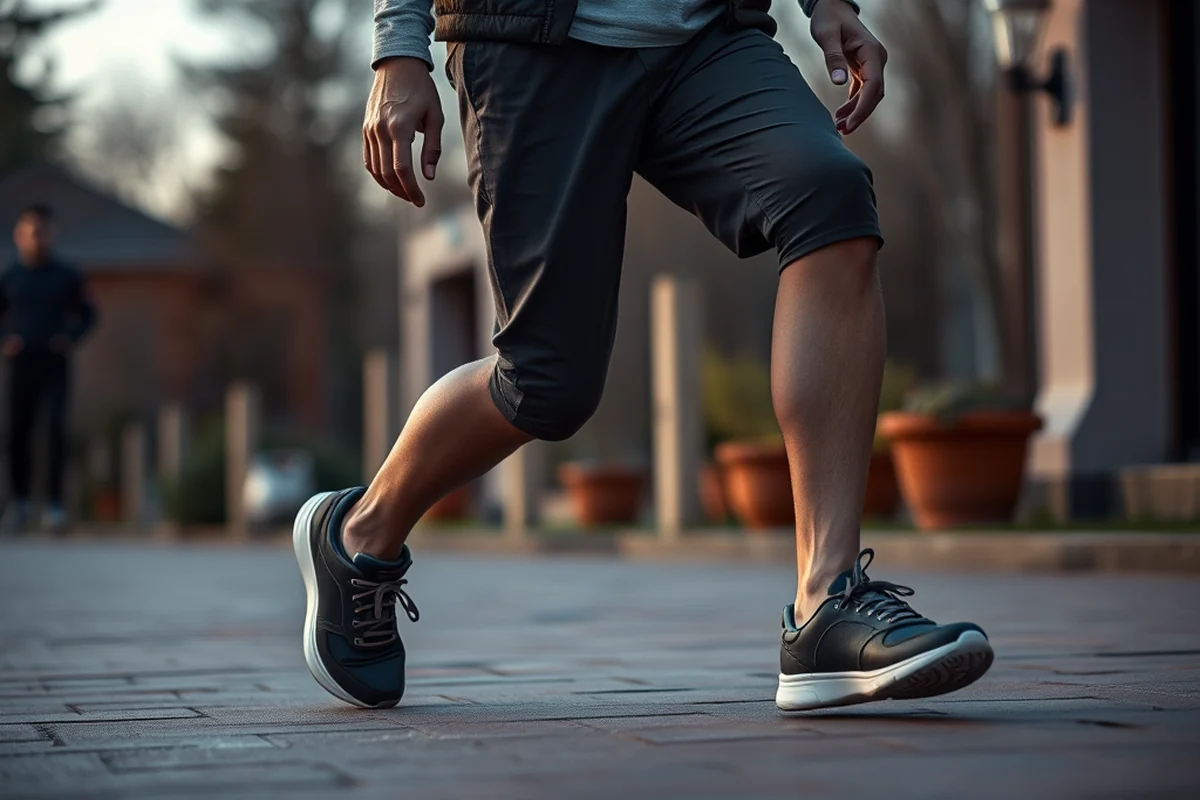
The wall sit is a go-to move for me when I need a quick, no-impact leg workout. I lean against a wall with my knees bent at about 90 degrees and hold the position for as long as I can. I’ve been doing this for years, and I’ve never had a knee flare-up from it.[2]
This move is especially good for people with knee instability or those who are just starting out. The wall provides support, so you can maintain proper form without risking injury. I’ve found that holding the wall sit for 30 seconds at a time, with a minute of rest in between, has built up my lower body strength steadily.[3]
What I love about this exercise is how it can be modified. If you’re advanced, you can hold the position longer or add a small weight to increase the challenge. For beginners, even 15 seconds is a start.[4]
The wall is your best friend — never push through pain.
Related: Knee friendly dance
Related: Knee friendly dynamic stretches
Related: Knee friendly cardio workout
Related: Knee friendly cardio at home
Related: Knee workouts gym
Calf Raises — Strengthen Without Strain
Standing calf raises are simple and effective. I do them on a flat surface or even on the edge of a step for an added challenge. I’ve noticed that doing this daily has improved my balance significantly, which is a bonus for someone who’s had knee issues.
The benefit of this move is that it targets the calf muscles without requiring knee flexion. That means you don’t risk overloading the knee joint — a big plus for me after years of knee pain. I’ve used this in combination with other moves and found that my legs feel more stable overall.
To keep things interesting, I’ll sometimes do single-leg calf raises. This variation increases the challenge and also helps with core stability. It’s a small change that makes a big difference.
Avoid rolling your foot too far forward — this shifts pressure to the knee. Keep the heel grounded for optimal support.
“I remember the first time I tried to do lunges and immediately felt a sharp, burning pain in my knees.”— Knee Friendly Cardio Routines editors
Related: Knee safe workouts
Related: Knee friendly workout for seniors
Seated Leg Raises — A Core and Leg Combo
I discovered seated leg raises when I was rehabbing my knee. I sit with my back straight and slowly lift one leg while keeping it straight. This exercise has helped me build core strength and improve my posture. I’ve been doing this for almost a year now, and the results are clear.
The low-impact nature of this move makes it a great option for people with knee issues. It allows you to focus on form and control without risking injury. I’ve found that doing this with both legs, alternating, helps maintain balance and coordination.
I’ve also noticed an improvement in my overall stability. Being able to lift my legs without pain has made a huge difference in my daily life. I’ve incorporated this into my routine twice a week and feel stronger than I did before.
Step-Ups — A Controlled Alternative to Lunges
Step-ups are one of my favorites because they mimic the motion of climbing stairs, which is a natural movement. I use a low bench or step and step up with one leg at a time, keeping the other leg stable. This move has helped me build strength without pain.
The controlled movement of step-ups is key to their effectiveness. I’ve found that using a small step (about 6 to 8 inches high) allows me to focus on form and reduces the risk of injury. I do this for 3 sets of 10-15 reps and feel the burn without any knee strain.
This exercise also helps with balance and coordination, which is an added benefit. I’ve noticed that my legs feel more stable and my posture has improved over time. It’s a simple move with big results.
Clamshells — A Hip and Glute Powerhouse
Clamshells are a game-changer for me. I lie on my side with my knees bent and feet together, then lift my top knee while keeping my heels together. This move targets the glutes and helps stabilize the hips, which in turn supports the knees.
The beauty of clamshells is that they can be done anywhere, with no equipment. I’ve done them on my bedroom floor and even in my office chair while waiting for meetings. I’ve found that doing 3 sets of 15 reps each day has made a noticeable difference in my leg strength and posture.
I’ve also noticed that my knee pain has decreased over time. Strengthening the glutes and hips helps take the pressure off the knees, which is a huge relief. I’ve been doing this for two months now and feel more supported in my movements.
Strong hips = happy knees.
Bridges — A Full-Body Move with Minimal Impact
I love bridges because they’re simple and effective. I lie on my back with my knees bent and feet flat on the floor, then lift my hips until my body forms a straight line from my knees to my shoulders. This move has helped me build strength without pain.
Bridges are especially good for people with knee pain because they allow you to focus on the glutes and hamstrings without overworking the knees. I’ve found that doing 3 sets of 10-15 reps each day has improved my posture and core strength significantly.
I’ve also noticed that my legs feel more stable and my overall balance has improved. It’s a small change that has made a big difference in my daily life. I’ve been doing this for a few months now and feel stronger than I did before.
🧘 Beginner
Start with basic moves like wall sits and seated leg raises. Focus on form and control.
💰 Budget
No equipment needed. Use a chair, step, or resistance band for added support and challenge.
⏳ Fastest
Quick 10-minute routines with high-impact moves like clamshells and bridges for efficiency.
🔥 Advanced
Add intensity with weighted resistance bands or dumbbells for step-ups and bridges.
🔄 Maintenance
Use low-intensity moves like seated leg raises and wall sits for consistent, long-term results.
| The mistake | Why it happens | The fix |
|---|---|---|
| Overextending the knee during leg raises | This can cause strain and damage to the knee joint over time. | Keep the knee slightly bent and control the movement to avoid overextending. |
| Slouching during wall sits | Slouching can shift pressure to the knees and reduce the effectiveness of the exercise. | Maintain a straight back and keep your knees aligned with your hips. |
| Ignoring form for the sake of speed | This increases the risk of injury and reduces the effectiveness of the workout. | Take your time and focus on proper form with each repetition. |
| Skipping warm-up or cool-down | This can lead to muscle stiffness and increase the risk of injury. | Always start with a few minutes of light stretching and end with a cool-down to prepare your body for movement. |
Knee Friendly Alternatives To Squats And Lunges
Common Questions
Can I do these exercises if I have severe knee pain?
Do I need any equipment for these exercises?
How long does it take to see results?
Are these exercises safe for people with arthritis?
Cite this guide
Knee Friendly Cardio Routines (2026). Knee Friendly Alternatives To Squats And Lunges. https://mildwalk.com/knee-friendly-alternatives-to-squats-and-lunges/
Feel free to cite or share this guide.
References
- Predicting Sport and Occupational Lower Extremity Injury Risk ... (cdr.lib.unc.edu)
- Occupational Therapy for Pregnant Women: An Ergonomics ... (commons.und.edu)
- Effects of Knee Sleeves on Knee Mechanics During Squats at ... (digitalcommons.odu.edu)
- Bodyweight Training & Joint Pain: When to Seek Evaluation (etc.usf.edu)