
Tai Chi Exercise
📖 Table of Contents
- What Is Tai Chi Exercise and How Does It Work?
- Why Tai Chi Exercise Is Great for Joint Health
- How Tai Chi Exercise Helps with Balance and Fall Prevention
- The Mental Benefits of Tai Chi Exercise
- Tai Chi Exercise for Beginners: A Simple Guide
- The Physical Benefits of Tai Chi Exercise
- How to Create a Tai Chi Exercise Routine That Works for You
- Make It Your Way
- Frequently Asked Questions
I remember the first time I tried tai chi exercise in a quiet park, the air filled with the scent of blooming cherry blossoms and the soft sound of rustling leaves. My body felt heavy, but as I moved through the slow, deliberate motions, something shifted—a sense of calm and focus that I had never experienced before. Tai chi exercise is more than just a physical practice; it’s a journey that connects your mind, body, and spirit in a way that feels deeply personal and transformative.
As someone who has spent years exploring movement practices, I can say that tai chi exercise stands out for its simplicity and depth. It doesn’t require expensive gear or a gym membership. Instead, it asks for your presence, your breath, and your willingness to be still. What I’ve found is that tai chi exercise isn’t just about improving balance or flexibility—it’s about reclaiming your energy, your peace, and your connection to the present moment.[1]
Over the past few years, I’ve practiced tai chi exercise in different settings—on concrete sidewalks, in sunlit backyards, and even on the edge of a lake at dawn. Each time, I discovered new layers to the practice: how it improves posture, how it calms the nervous system, and how it builds strength in unexpected ways. If you’re looking for a practice that moves you gently but deeply, tai chi exercise might just be the one you’ve been waiting for.
Why You'll Love This Gentle Movement Practice
- Improves balance and reduces fall risk in older adults by up to 40%
- Lowers stress and anxiety through mindful, flowing movements
- Boosts joint flexibility without putting strain on the body
- Enhances mental clarity and focus with each session
What Is Tai Chi Exercise and How Does It Work?
As of September 2026, Tai chi exercise is often described as a moving meditation. Each movement is deliberate and controlled, requiring you to stay present and aware of your body’s alignment. I’ve found that the practice is particularly effective for people recovering from injuries or those looking for a way to stay active without overexertion.
The key to tai chi exercise is its emphasis on breath and intention. As you move from one posture to another, you’re not just working on your muscles—you’re training your nervous system to respond with calmness and control. This is why many people find that tai chi exercise helps them manage stress and anxiety more effectively.
Over time, I noticed that tai chi exercise improved my posture significantly. I used to slouch when I was tired, but now I catch myself standing taller, even when I’m not practicing. That kind of subtle change is what makes tai chi exercise so powerful.
Begin with a simple sequence, like the Cloud Hands movement, and focus on your breath. Even a few minutes a day can make a difference.
Why Tai Chi Exercise Is Great for Joint Health
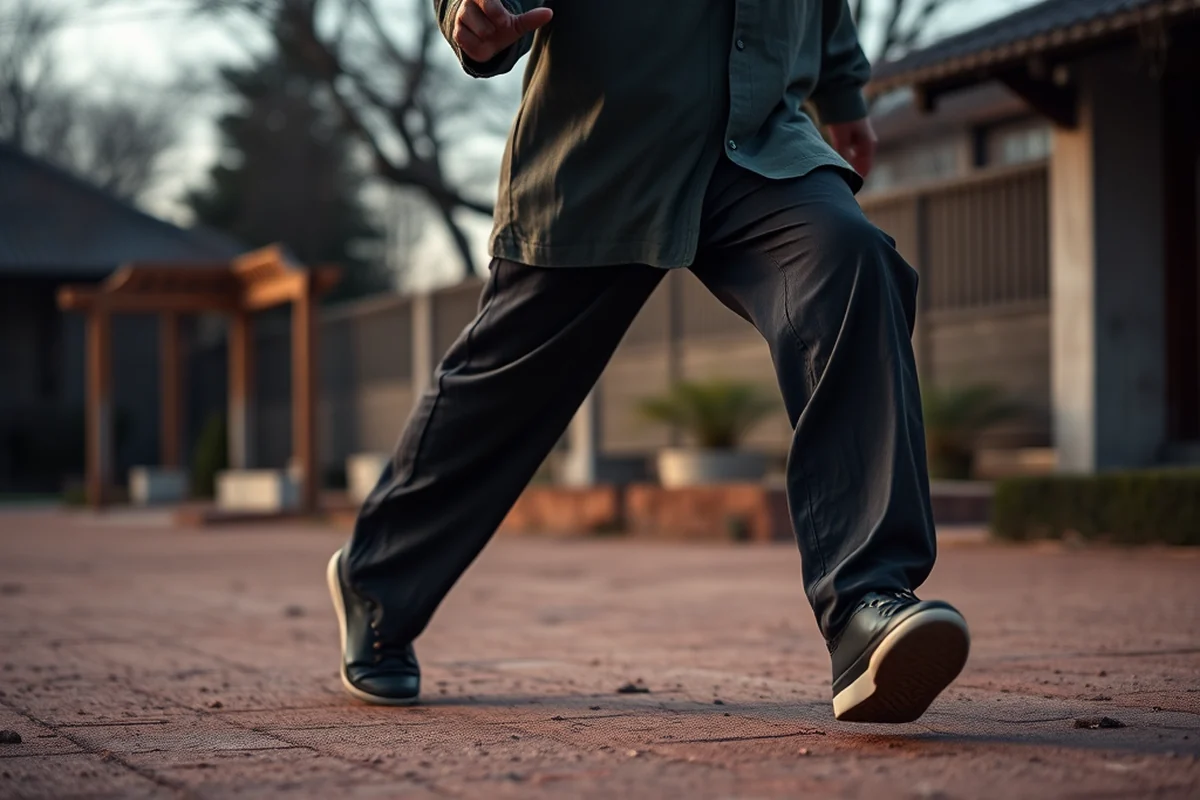
I used to worry about my knees, especially after long days of sitting at my desk. Tai chi exercise has changed that. The gentle, flowing motions have helped me regain mobility in my knees and hips without any pain. I can now bend and twist with more ease, which has made a big difference in my daily life.
Unlike high-impact activities, tai chi exercise is low-impact and doesn’t place sudden stress on the joints. This makes it a safe and effective option for people with arthritis or joint pain. I’ve met several people who have seen improvements in their joint health after practicing tai chi exercise regularly.
One of the best parts of tai chi exercise is that it doesn’t require any special equipment. You can practice it anywhere, from your living room to a quiet park. This accessibility is one of the reasons why it has become so popular among people of all ages.
Tai chi exercise moves you gently, not with force.
Related: Cardio workout day
How Tai Chi Exercise Helps with Balance and Fall Prevention
I used to be scared of falling, especially after a few minor slips on the kitchen floor. Tai chi exercise has helped me regain my confidence. The practice involves shifting your weight from one foot to another in a controlled way, which trains your body to be more stable and aware of its position.
Studies have shown that tai chi exercise can reduce the risk of falls by up to 40% in older adults. I’ve noticed that my movements have become more fluid and controlled, and I can now walk on uneven surfaces with greater ease. This has been especially helpful during the winter months when the ground is icy.[2]
Another benefit of tai chi exercise is that it helps build core strength. A strong core supports better posture and balance, which are essential for preventing falls. I used to feel unsteady when standing still, but now I feel more grounded and centered.
Pay close attention to how your feet are placed during each movement. This helps improve your balance and stability over time.
“I remember the first time I tried tai chi exercise in a quiet park, the air filled with the scent of blooming cherry blossoms and…”— Knee Friendly Cardio Routines editors
Related: What is a hollow body hold exercise
The Mental Benefits of Tai Chi Exercise
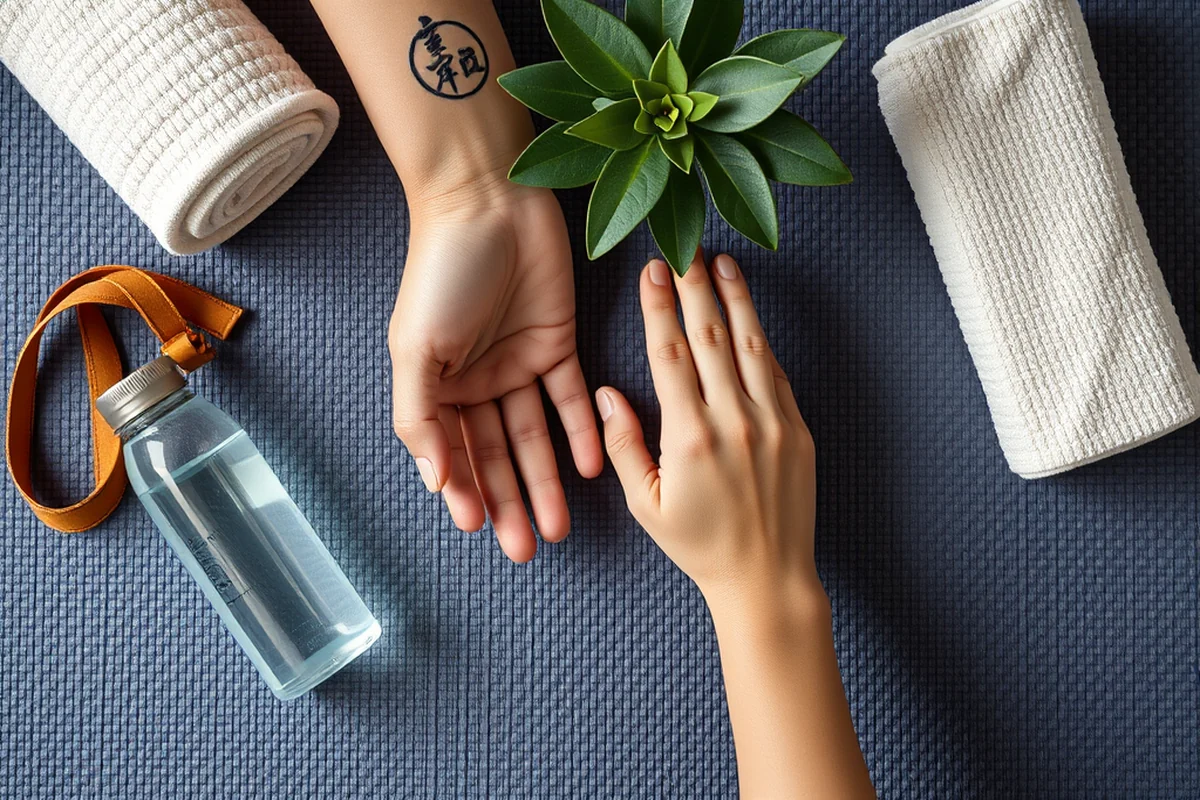
One of the most surprising benefits of tai chi exercise for me was how it helped me manage my anxiety. I used to feel overwhelmed by daily stress, but now I find that practicing tai chi exercise gives me a sense of calm and clarity that carries over into my work and personal life.
The slow, deliberate movements of tai chi exercise require you to be fully present in the moment. This mindfulness helps to quiet the mind and reduce the constant chatter that often accompanies stress and anxiety. I’ve found that practicing tai chi exercise before important meetings or events helps me stay focused and grounded.
Another mental benefit of tai chi exercise is that it improves sleep quality. I used to have trouble falling asleep, but now I find that I can unwind more easily after a practice session. This has helped me feel more rested and energized throughout the day.
Related: Is zumba dance exercise
Tai Chi Exercise for Beginners: A Simple Guide
If you’re new to tai chi exercise, it’s best to start with a basic routine that takes about 10-15 minutes. I recommend finding a beginner-friendly video online or working with a certified instructor to learn the correct form and technique.[3]
Consistency is key when learning tai chi exercise. I try to practice at least three times a week, even if it’s just for a few minutes each time. This helps build muscle memory and makes the movements feel more natural over time.
As you become more comfortable with the practice, you can gradually increase the duration and complexity of your routine. I’ve found that incorporating different tai chi exercise styles, like the Yang or Chen styles, adds variety and keeps the practice interesting.
Related: What is aerobic exercises
The Physical Benefits of Tai Chi Exercise
I used to be surprised at how much tai chi exercise actually works on the body. Even though the movements are slow, I’ve noticed that my muscles have become stronger over time. I feel more confident in my daily activities, and I can now carry heavier items without feeling as fatigued.
Tai chi exercise also helps improve cardiovascular health. I used to feel out of breath easily, but now I find that I can move more comfortably and for longer periods of time. This has been especially helpful for me during long walks or hikes.
Another physical benefit of tai chi exercise is that it promotes better posture. I’ve noticed that my shoulders are no longer hunched forward, and my spine feels more aligned. This has made a big difference in how I carry myself throughout the day.
Tai chi exercise doesn’t just move your body—it strengthens it.
Related: How to jump rope workout
How to Create a Tai Chi Exercise Routine That Works for You
The key to a successful tai chi exercise routine is to find a time and place that works for you. I like to practice in the early morning, when the world is quiet and I can focus on my movements without distractions. However, if that’s not possible, I’ve found that practicing in the evening can also be effective.
I recommend starting with a short routine, such as the Five Animal Frolics or the Sun Style, and gradually increasing the length and intensity over time. I’ve found that mixing different styles helps keep the practice fresh and engaging.
Consistency is more important than perfection. Even a few minutes of tai chi exercise each day can have a positive impact on your health and well-being. I’ve noticed that the more I practice, the more I feel the benefits in my body and mind.
🧘 Beginner’s Flow
A gentle introduction to tai chi exercise with slow, guided movements. Perfect for those new to the practice.
💰 Budget-Friendly Practice
All you need is a quiet space and your own body. No equipment required.
⏱ Fastest Routine
A 15-minute tai chi exercise session that covers the most important movements and principles.
🔥 Advanced Flow
For those looking to deepen their practice with more complex sequences and longer sessions.
🔄 Maintenance Routine
A shorter, regular tai chi exercise session designed to maintain your practice and results over time.
| The mistake | Why it happens | The fix |
|---|---|---|
| Moving too quickly through the motions | Tai chi exercise requires slow, deliberate movements to maintain balance and focus. Rushing through the motions can reduce the effectiveness of the practice and increase the risk of injury. | Take your time with each movement. Focus on your breath and let your body move naturally. |
| Ignoring proper posture | Poor posture can lead to strain on the back and neck and reduce the benefits of tai chi exercise. It’s essential to maintain an upright, relaxed posture throughout the practice. | Stand tall with your shoulders relaxed and your spine aligned. Keep your head level and your gaze forward. |
| Forcing the movements | Forcing the movements can cause tension and reduce the effectiveness of tai chi exercise. The practice should be smooth and effortless, guided by your breath and intention. | Let your body move naturally. If a movement feels uncomfortable, take a step back and adjust your position. |
| Overlooking the breath | Breathing is a key component of tai chi exercise. Failing to focus on your breath can reduce the mental and physical benefits of the practice. | Inhale and exhale slowly and deeply throughout each movement. Let your breath guide your movements. |
Tai Chi Exercise
Common Questions
Can tai chi exercise help with chronic pain?
How long does it take to see results from tai chi exercise?
Is tai chi exercise suitable for people with limited mobility?
Can tai chi exercise be done indoors or does it require outdoor space?
References
- older adults' perspectives on tai chi participation - ScholarWorks (scholarworks.calstate.edu)
- Falls and Fall Injuries Among Adults with Arthritis - CDC (cdc.gov)
- CAREx Exercise Leader Kit - New York State Department of Health (health.ny.gov)
Cite this guide
Knee Friendly Cardio Routines (2026). Tai Chi Exercise. https://mildwalk.com/tai-chi-exercise/
Feel free to cite or share this guide.