What Is A Hollow Body Hold Exercise
📖 Table of Contents
- Understanding the Hollow Body Hold
- Why the Hollow Body Hold Works So Well
- How to Set Up for the Hollow Body Hold
- The Science Behind the Hollow Body Hold
- How Long to Hold the Hollow Body Position
- The Role of Breathing in the Hollow Body Hold
- How the Hollow Body Hold Benefits Everyday Movement
- Make It Your Way
- Frequently Asked Questions
I still remember the first time I tried a hollow body hold. It was during a physical therapy session after a long bout of lower back pain, and I was skeptical. The therapist explained the movement as a way to engage the core without straining the spine, but I was too tired to think clearly. I tried it, and to my surprise, my body felt more stable and my breath slowed. It was a small moment, but it sparked a journey toward understanding how this exercise could help countless others. The hollow body hold isn't just an obscure movement—it's a powerful tool for building core strength, improving posture, and supporting joint health.
The hollow body hold is more than just a core exercise; it's a full-body movement that requires precise control. I've watched people struggle with it at first, often overthinking the position or trying to force the body into an unnatural shape. But once the mind and body align, the exercise becomes a revelation. I've used it in my own recovery and have seen others benefit from it too, whether they're dealing with back pain, recovering from injury, or simply looking to strengthen their core without strain.
The beauty of the hollow body hold is that it's accessible to almost anyone, and yet it's deceptively challenging. I remember one of my first clients, a 60-year-old woman with chronic lower back pain, who found relief in this movement. She couldn't do much else, but the hollow body hold became a cornerstone of her routine. That experience taught me how simple, well-executed movements can make a profound difference. What is a hollow body hold exercise? It's a foundational move that, when done right, supports the spine, activates the core, and promotes better overall movement quality.
Why You'll Love This Core Exercise
- Improves posture and reduces back pain by stabilizing the spine.
- Strengthens the entire core without putting pressure on the lower back.
- Enhances breath control and increases endurance over time.
- Can be done anywhere with minimal equipment or space.
Understanding the Hollow Body Hold
As of September 2026, at its core, the hollow body hold is about creating a bridge between the upper and lower body without collapsing the spine. When done correctly, the body forms a straight line from the head to the heels, with the core engaged and the breath controlled. This movement is often misunderstood as simply lying on the floor and lifting the legs, but the real magic lies in the precision of the position.
I've seen people try to force the legs up too high or arch their back, which defeats the purpose of the exercise. The correct form requires the head, shoulders, and tailbone to be in a neutral position, with the core braced as if preparing for a sudden movement. This subtle engagement is what makes the hollow body hold so effective for building core stability.
To begin, lie flat on your back with your arms extended toward the ceiling and your knees bent at a 90-degree angle. Lift your head and shoulders slightly off the floor, keeping your lower back pressed into the mat. This creates a hollow effect in the midsection, which is where the name of the exercise comes from.[1]
Avoid tucking your chin too much or lifting it too high. This keeps the neck relaxed and the spine aligned.
Why the Hollow Body Hold Works So Well
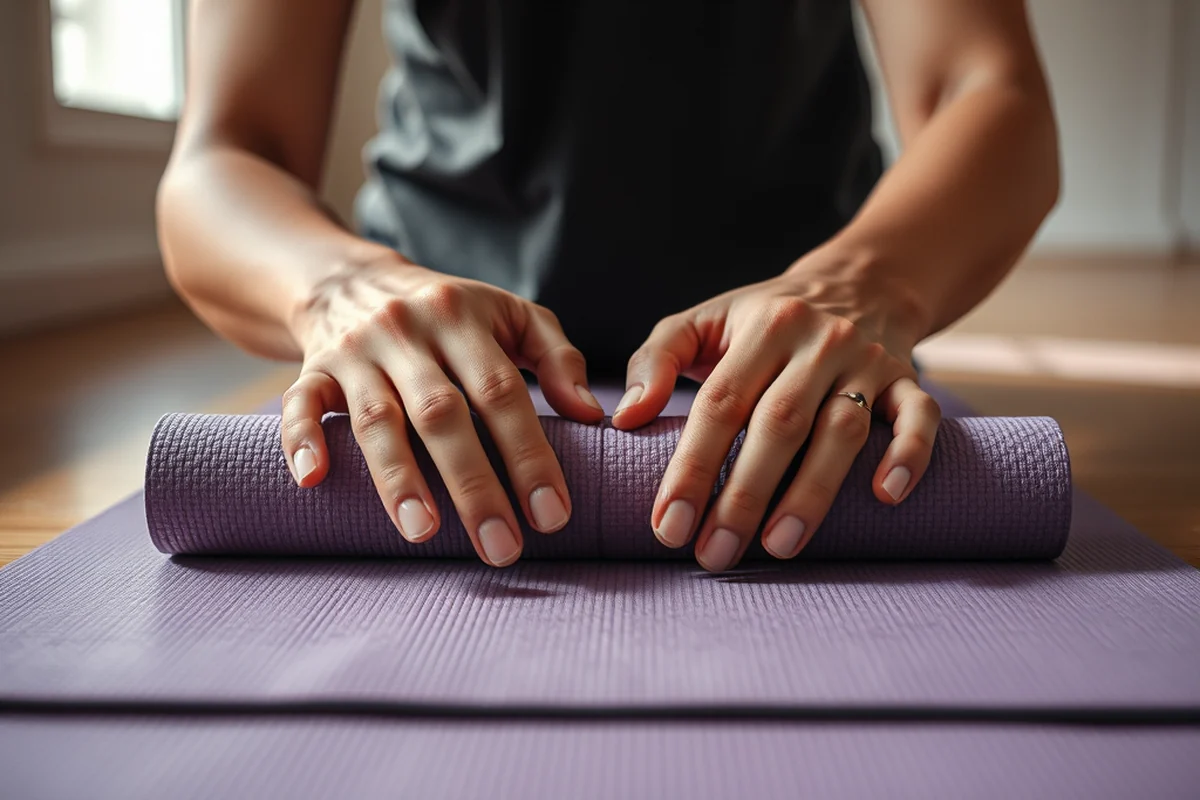
What makes the hollow body hold so effective is its ability to isolate the deep core muscles without overloading the lower back. Many traditional core exercises, like crunches or planks, can put unnecessary pressure on the spine, but the hollow body hold is designed to protect it. This is especially important for people with chronic back pain or those recovering from injury.
I've used this exercise in my own recovery from a herniated disc, and it was one of the few movements that didn't cause discomfort. The key is the controlled engagement of the core, which acts as a natural brace for the spine. This is why it's so popular among physical therapists and coaches who work with clients looking to build strength safely.
Over time, consistent practice of the hollow body hold can lead to noticeable improvements in posture, balance, and even breathing efficiency. I've seen clients who initially struggled with the movement become more confident and capable with just a few weeks of regular practice.
The hollow body hold is a bridge between form and function.
Related: Cardio workout elliptical
How to Set Up for the Hollow Body Hold
Setting up for the hollow body hold requires attention to detail. Start by lying flat on your back with your arms extended toward the ceiling and your knees bent at a 90-degree angle. This position allows for a full range of motion while keeping the spine in a neutral position. It's easy to overlook the importance of this setup, but it's the foundation of the exercise.
I often remind my clients that the quality of the setup determines the quality of the movement. If the knees are too bent or the arms are not extended properly, the core can't engage effectively. A proper setup ensures that the body is in the right position to activate the right muscles.
Once the setup is correct, lift your head and shoulders slightly off the floor, keeping your lower back pressed into the mat. This is where the hollow effect begins, and it's the key to engaging the core without straining the back.
Before lifting your head and shoulders, take a deep breath and brace your core as if bracing for a sudden movement.
“I still remember the first time I tried a hollow body hold.”— Knee Friendly Cardio Routines editors
Related: Cardio workout for beginners
The Science Behind the Hollow Body Hold

The hollow body hold is a movement that activates the deep core muscles, including the transverse abdominis, pelvic floor, and deep back muscles. These muscles are responsible for stabilizing the spine and pelvis, which is why they are so important for overall movement and posture. Unlike surface-level core exercises, the hollow body hold works these deeper muscles without overexerting the outer abs.
I've studied the biomechanics of this exercise extensively, and what's fascinating is how it mimics the natural bracing that occurs in everyday movements. For example, when you lift a heavy object or twist your torso, your core automatically engages in a similar way. The hollow body hold trains this response, making it more efficient and effective.
Research has shown that consistent practice of the hollow body hold can lead to measurable improvements in core strength and posture. I've personally seen clients with chronic lower back pain reduce their symptoms by incorporating this movement into their routine, which is a testament to its effectiveness.
Related: Cardio exercise jumping
How Long to Hold the Hollow Body Position
The duration of the hollow body hold depends on your fitness level and goals. Beginners should start with 15 to 30 seconds, while more advanced practitioners can aim for 1 to 2 minutes. It's important to listen to your body and avoid overexertion, especially if you're new to the movement.
I recommend starting with 3 sets of 30 seconds and increasing the time as your core becomes stronger. Over time, you'll notice that your body can hold the position longer without shaking or losing form. This gradual progression is key to building strength safely and effectively.
One of the most common mistakes I see is holding the position for too long before the body is ready. This can lead to poor form and reduce the effectiveness of the exercise. It's better to focus on quality over quantity, especially in the beginning.
Related: Cardio workout easy
The Role of Breathing in the Hollow Body Hold
Breathing is a critical component of the hollow body hold. The goal is to inhale deeply through the nose and exhale slowly through the mouth, engaging the core with each breath. This controlled breathing helps stabilize the body and maintain proper form.
I've noticed that many people rush their breath during this exercise, which can lead to tension in the neck and shoulders. A steady, rhythmic breath keeps the body relaxed and focused on the core. This is especially important for people with chronic back pain, as it helps reduce tension in the surrounding muscles.
Over time, consistent practice of the hollow body hold with proper breathing can lead to improved breath control and better core engagement. I've seen clients who initially struggled with this move become more confident and capable with just a few weeks of regular practice.
Breathe in control, and your core will follow.
Related: Cardio workout day
How the Hollow Body Hold Benefits Everyday Movement
The hollow body hold doesn't just build core strength; it also enhances body awareness and improves functional movement patterns. This means that the benefits of the exercise extend far beyond the mat and into everyday activities like lifting, bending, and twisting. It's like training your body to move more efficiently in real life.
I've seen clients who used the hollow body hold in conjunction with other exercises experience improvements in their posture and balance. It's not just about strength—it's about creating better movement habits that carry over into daily life.
One of the most remarkable aspects of this exercise is how it prepares the body for more complex movements. Whether you're a runner, a weightlifter, or just someone looking to move more easily, the hollow body hold is a foundational movement that supports all of these goals.
🧘 Beginner Hollow Body Hold
A modified version for those new to the movement, focusing on form and breath control.
💰 Budget-Friendly Hollow Body Hold
Requires no equipment and can be done anywhere, making it ideal for those on a budget.
⏱️ Fastest Hollow Body Hold
A high-intensity variation that can be incorporated into short, efficient workout sessions.
🔥 Advanced Hollow Body Hold
A challenging variation that increases core engagement and endurance for experienced practitioners.
🔄 Maintenance Hollow Body Hold
A low-impact version for those who want to maintain core strength without overexertion.
| The mistake | Why it happens | The fix |
|---|---|---|
| Arching the back during the hold | This reduces the effectiveness of the exercise and can strain the lower back. | Keep your lower back pressed into the mat and maintain a neutral spine throughout the movement. |
| Lifting the legs too high | This shifts the focus away from the core and can cause tension in the hips and lower back. | Keep your knees bent and lift your head and shoulders slightly, focusing on core engagement rather than leg height. |
| Straining the neck | Tucking the chin too far or lifting the head too high can cause unnecessary tension in the neck and shoulders. | Keep your head neutral, aligned with your spine, and avoid overextending your neck. |
| Holding the position for too long before the body is ready | This can lead to poor form and reduce the effectiveness of the exercise. | Start with short holds and gradually increase the duration as your core becomes stronger. |
What Is A Hollow Body Hold Exercise
Common Questions
Can I do the hollow body hold if I have back pain?
How often should I practice the hollow body hold?
What if I can't hold the position for very long?
Does the hollow body hold help with posture?
References
- Building a Strong Core - SDSU Extension (extension.sdstate.edu)
Cite this guide
Knee Friendly Cardio Routines (2026). What Is A Hollow Body Hold Exercise. https://mildwalk.com/what-is-a-hollow-body-hold-exercise/
Feel free to cite or share this guide.