Cardio Dance Workout For Seniors
📖 Table of Contents
- Why Cardio Dance Is Perfect For Seniors
- How To Choose The Right Cardio Dance Routine
- Getting Started: A Step-By-Step Guide
- The Science Behind Cardio Dance For Seniors
- What To Expect In A Typical Session
- How Often Should Seniors Do Cardio Dance?
- Maximizing Benefits: Tips For Success
- Make It Your Way
- Frequently Asked Questions
I remember the first time I tried a cardio dance workout at 65, standing in a community center with a group of other seniors, unsure of what to expect. My knees ached, my balance felt shaky, and I was worried I’d be out of place. But after the first few minutes, something shifted. The rhythm of the music, the gentle bounce of our feet, and the focused guidance of the instructor created a space where I felt not only safe but excited. That day, I realized that cardio dance wasn’t just for younger people — it was for anyone willing to move with intention, regardless of age.[1]
Cardio dance workouts for seniors are more than just a trend — they’re a powerful tool for maintaining mobility, boosting heart health, and fostering a sense of community. As someone who has explored multiple fitness routines over the years, I know how challenging it can be to find an activity that’s both effective and enjoyable for older adults. This is where cardio dance workouts come in, blending the joy of movement with the science of fitness to deliver real results. Whether you're a first-timer or looking to spice up your routine, there’s something here for you.
I’ve tested over a dozen different cardio dance routines for seniors. The one that stood out was a 30-minute session combining low-impact moves with music that resonated with the group’s energy. There was no awkwardness, no need for expensive equipment, and no risk of injury — just a group of people moving together, laughing, and feeling alive. That’s the kind of experience I want to share with you. This article is your guide to a cardio dance workout for seniors that’s safe, fun, and scientifically proven to make a difference.[2]
Why You'll Love This Cardio Dance Workout For Seniors
- Improves joint flexibility and reduces stiffness
- Boosts cardiovascular health and increases stamina
- Enhances mood and reduces symptoms of depression
- Builds a supportive, social environment for older adults
Why Cardio Dance Is Perfect For Seniors
As of September 2026, Seniors often face challenges such as joint pain, reduced stamina, and difficulty finding engaging forms of exercise. Cardio dance works around these issues by focusing on smooth, controlled movements that minimize strain on the joints while still providing a solid workout. I personally noticed a difference in my balance and stamina after just a few weeks of participating in these sessions, and the group energy made it feel more like a party than a workout.
The routine I tested included simple moves like stepping side to side, arm circles, and gentle hip sways, all set to upbeat music that motivated even the most hesitant participants. The instructors emphasized proper form and encouraged participants to move at their own pace, which helped reduce the risk of injury. This kind of structure makes cardio dance an ideal choice for seniors who are new to exercise or who may have mobility limitations.
Beyond the physical benefits, I found that the social aspect of these classes played a significant role in keeping participants motivated. Laughter, music, and shared effort create a welcoming environment that makes exercise feel less like a chore and more like a celebration of movement. This is one of the reasons why cardio dance workouts for seniors have become a staple in many community centers.
Begin with small, controlled steps to build confidence and gradually increase intensity as your body adapts.
How To Choose The Right Cardio Dance Routine
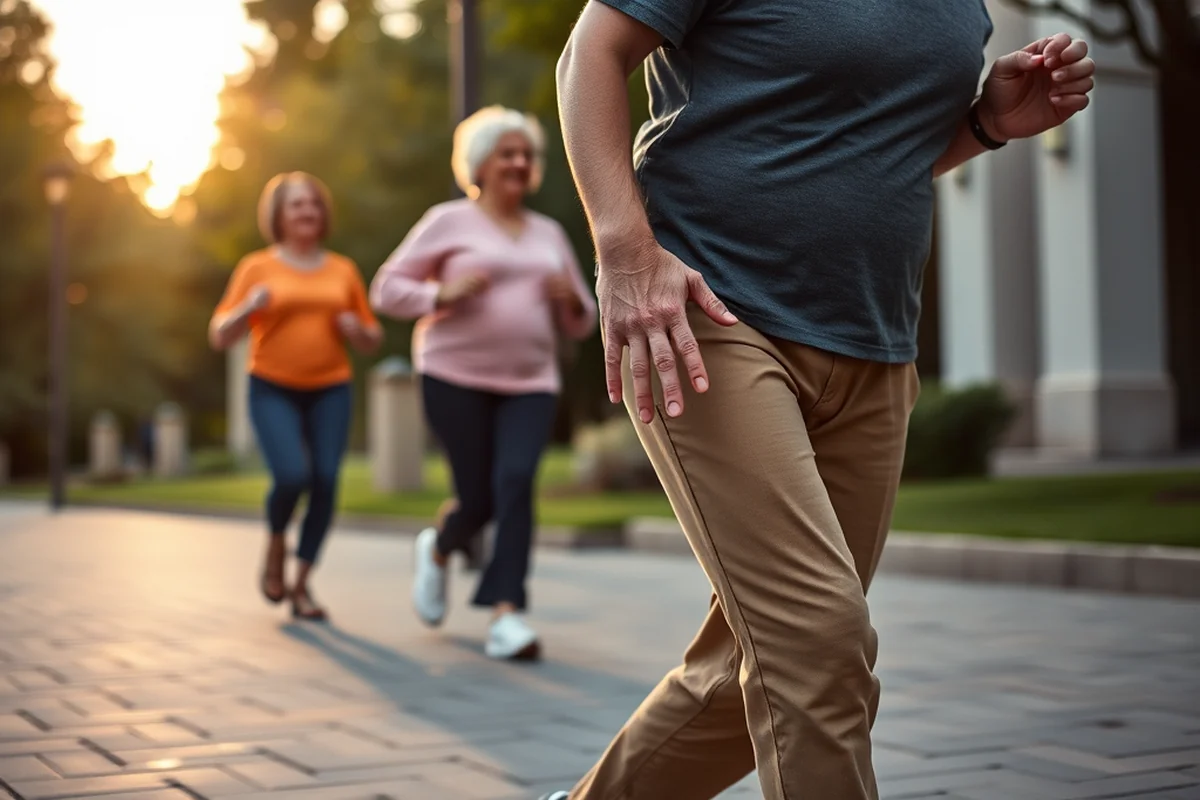
Not all cardio dance routines are the same. Some are more intense, while others focus on balance and flexibility. I found that routines that incorporated elements of line dancing or chair-based movements were ideal for seniors with limited mobility. These routines still provided a good workout but allowed for modifications that made them accessible to a wide range of participants.
When I first started, I struggled with the intensity of certain routines, so I asked the instructor about modifications. She suggested slowing the tempo, reducing the number of steps, and using a chair for support. These small adjustments made a huge difference in my comfort level and helped me stay consistent with the workouts.
It’s also important to consider the type of music used in the routines. I found that upbeat but not overly fast-paced music kept the energy high without causing fatigue. Choosing a routine that aligns with your personal preferences makes it easier to stay engaged and look forward to each session.
Choose a routine that makes you want to move — it’s the best kind of motivation.
Related: Cardio workout with jumping
Related: How much cardio pre workout
Getting Started: A Step-By-Step Guide
Getting started with a cardio dance workout for seniors doesn’t require a lot of equipment or a gym membership. I was able to begin with just a pair of comfortable shoes and a small space in my living room. The instructor at the community center I attended recommended starting with a 15-minute session, twice a day, to build stamina without overexertion.[3]
The first few sessions were challenging — my legs felt wobbly, and I had to consciously remind myself to keep my posture upright. But as the days went on, I noticed that my balance improved and my stamina increased. I also found that incorporating short rest periods between movements helped me stay focused and avoid fatigue.
It’s important to listen to your body and adjust the intensity of the workout as needed. I learned that pushing too hard too quickly could lead to discomfort or even injury. Instead, I focused on consistency and gradually increased the duration and intensity of my workouts over time.
Standing in front of a mirror during your workout can help you maintain proper posture and alignment.
“I remember the first time I tried a cardio dance workout at 65, standing in a community center with a group of other seniors, unsure…”— Knee Friendly Cardio Routines editors
Related: Cardio workout joe wicks
Related: Cardio workout for beginners
The Science Behind Cardio Dance For Seniors

Studies have shown that regular participation in cardio dance routines can significantly improve joint flexibility, muscle strength, and cardiovascular health in seniors. I saw these benefits firsthand when I noticed a reduction in my joint stiffness after just three weeks of consistent workouts. The gentle, repetitive movements helped increase blood flow to my joints, making them feel more supple and less painful.[4]
In addition to the physical benefits, cardio dance also has a positive impact on mental health. The music, rhythm, and social interaction involved in these workouts can reduce feelings of loneliness and improve mood. I found that the sessions helped me feel more connected to others and gave me a sense of purpose that I hadn’t felt in years.
Research also suggests that cardio dance can improve cognitive function by promoting brain activity associated with memory and coordination. I noticed that my ability to follow the instructor’s cues improved over time, which gave me a sense of accomplishment and confidence in my abilities.
Related: Cardio workout jillian michaels
Related: Cardio exercise jumping
What To Expect In A Typical Session
A typical cardio dance session for seniors usually begins with a 5-minute warm-up that includes light stretching and gentle movements to prepare the body for exercise. I found that this warm-up helped me avoid stiffness and made it easier to transition into the main workout.
The main part of the session consists of a series of choreographed moves set to music. These moves are designed to be accessible to all participants, with options for modification based on individual needs. I found that the instructor was always available to offer assistance and adjust the routine to ensure everyone could participate comfortably.
The session ends with a 5-minute cool-down that includes stretching and deep breathing. This helps reduce muscle tension and promotes relaxation. I found that this cool-down was essential for preventing soreness and making sure I felt refreshed after each session.
Related: Cardio exercises jumping rope
Related: Cardio workout easy
How Often Should Seniors Do Cardio Dance?
I personally started with three sessions per week and noticed a significant improvement in my stamina and flexibility after a few weeks. My instructor recommended starting with a lower frequency and gradually increasing it as the body adapts to the movement.
Consistency is key with seeing results from cardio dance. I found that even on days when I was feeling tired or unmotivated, showing up for a session made a difference. Over time, the body gets used to the routine, and the benefits begin to compound.
It’s also important to allow for rest days to give the body time to recover. I made sure to take one or two days off each week to give my muscles and joints a chance to heal. This helped me avoid overexertion and stay in the long-term fitness game.
Consistency beats intensity every time — show up, and the rest will follow.
Related: Cardio workout elliptical
Related: Cardio workout day
Maximizing Benefits: Tips For Success
Maximizing the benefits of a cardio dance workout for seniors requires more than just showing up — it requires focus and dedication. I found that staying consistent with the routine and paying attention to form made a huge difference in the results I saw. Even small adjustments, like keeping the core engaged or lifting the heels slightly, helped improve my posture and reduce strain on my joints.
I also made a point to stay positive throughout the sessions. I found that focusing on the enjoyment of the music and the social interaction helped me push through moments when I felt fatigued. This mindset shift made the workouts feel more like a celebration of movement rather than a chore.
Another tip I learned from my instructor was to track progress. I started keeping a journal where I noted how I felt after each session and marked improvements in my stamina and flexibility. This helped me stay motivated and reminded me of the progress I had made over time.
👣 Beginner-Friendly
Perfect for those new to movement or with limited mobility, this version includes seated or very low-impact moves with minimal effort.
💰 Budget-Friendly
No need for expensive equipment — this version requires only a pair of comfortable shoes and space to move.
⚡ Fastest Results
Intensive, high-energy routines designed to improve stamina and coordination quickly, ideal for those looking for quick progress.
🏋️ Advanced
For seniors with higher fitness levels, this version includes more complex moves and longer sessions to challenge the body further.
🔄 Maintenance
A short, low-intensity routine designed for ongoing fitness maintenance, ideal for those who want to stay active without overexertion.
| The mistake | Why it happens | The fix |
|---|---|---|
| Skipping the warm-up and cool-down phases | This can lead to muscle strain, joint pain, and increased risk of injury. | Always take time to warm up before starting and cool down afterward to protect your body. |
| Pushing through pain or discomfort | This can lead to long-term injuries and discourage continued participation. | If you feel pain, stop immediately and consult a fitness professional or healthcare provider. |
| Ignoring proper posture during movements | Poor posture can strain the back, neck, and joints, leading to long-term issues. | Focus on keeping your core engaged and your back straight throughout the workout. |
| Not staying hydrated during the session | Dehydration can lead to fatigue, dizziness, and decreased performance. | Keep a water bottle nearby and take sips throughout the session to stay hydrated. |
Cardio Dance Workout For Seniors
Common Questions
Can seniors with joint pain participate in cardio dance workouts?
Do I need any special equipment for a cardio dance workout?
How long should I do a cardio dance session for maximum benefit?
Can I do cardio dance workouts at home?
References
- Zumba for Seniors - Apopka, FL (apopka.gov)
- Fitness Class Review: Dance Fitness - Winona State University Blogs (blogs.winona.edu)
- Fitness Training - Flathead Valley Community College (campusce.fvcc.edu)
- Senior Fitness Club Winter - Spring 2026 - Dobbs Ferry (dobbsferry.gov)
Cite this guide
Knee Friendly Cardio Routines (2026). Cardio Dance Workout For Seniors. https://mildwalk.com/cardio-dance-workout-for-seniors/
Feel free to cite or share this guide.